
Top Innovations in Logistics: Revolutionizing Global Supply Chains
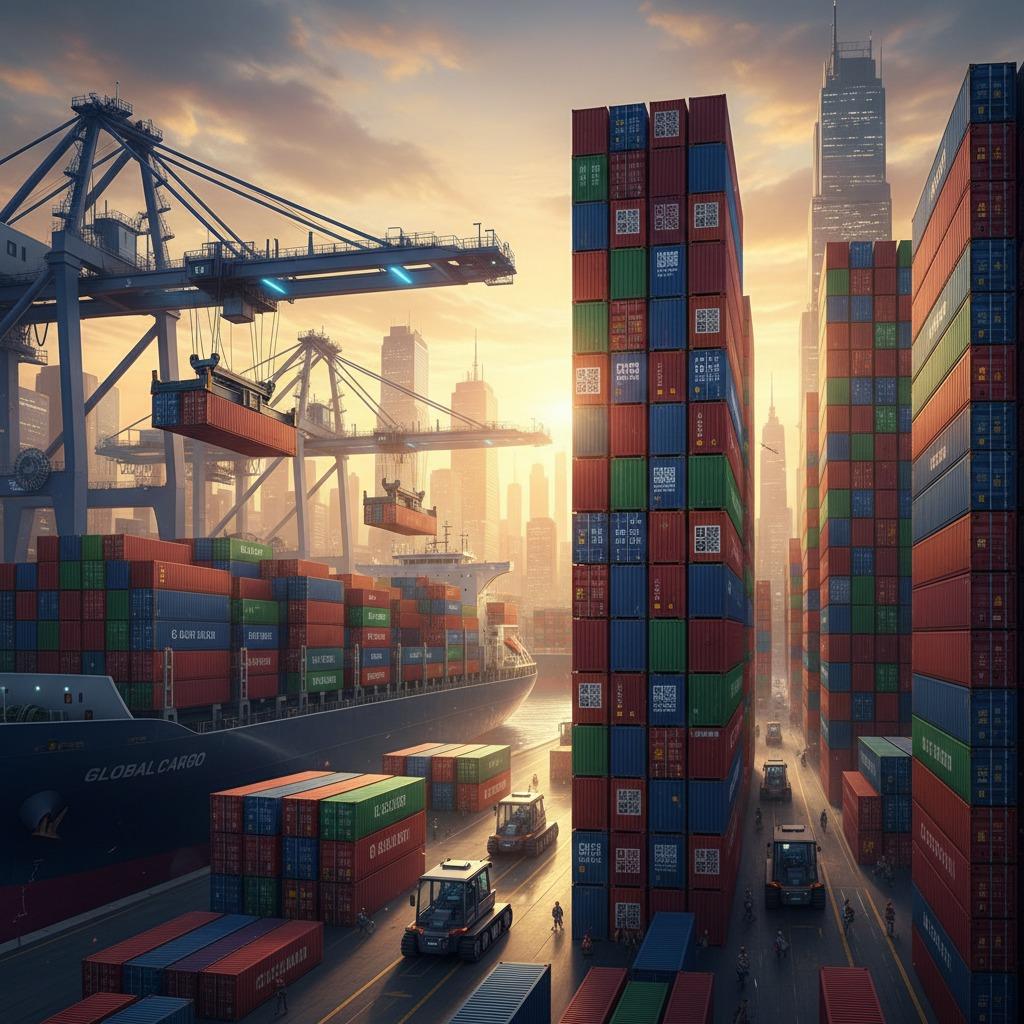
In the fast-paced world of logistics, staying ahead means embracing innovations that streamline operations and boost efficiency. Logistics has evolved from simple transportation to a sophisticated ecosystem powered by technology and smart design. This article explores key advancements in logistics, highlighting solutions that are transforming how goods move across the globe. From durable stackable shipping containers to integrated air and sea transport, these innovations are essential for businesses aiming to optimize their supply chains.
1. Stackable Shipping Containers: The Backbone of Versatile Transport
Stackable shipping containers represent a cornerstone in modern logistics, offering durability and flexibility for diverse industries. Engineered with corrosion-resistant steel, these containers withstand harsh weather and rigorous journeys, making them ideal for global maritime and inland shipments. Their modular design allows for efficient stacking, maximizing space in ports and on vessels while ensuring stability. With optimal dimensions for bulk goods and oversized items, they facilitate secure load management, reducing the risk of damage during transit.
Beyond traditional use, these containers shine in creative applications like pop-up shops, modular offices, and eco-friendly housing. Custom colors and branding options turn them into identifiable assets, enhancing business visibility. Equipped with tamper-proof locking systems, they prioritize security without sacrificing portability. In logistics, these containers are unsung heroes, enabling seamless movement of cargo across continents and supporting innovative infrastructure projects.
2. SmartPort Management Systems: Enhancing Efficiency with Technology
A game-changer in logistics is the integration of SmartPort Management Systems, which optimize container yards for maximum storage and retrieval. These systems feature tracking technology for real-time monitoring, allowing businesses to locate shipments instantly anywhere in the world. In bustling ports, automated cranes and intelligent machines handle loading and unloading, slashing time and labor costs. This automation is crucial in logistics, where delays can ripple through entire supply chains.
Paired with eco-friendly practices, SmartPort solutions minimize environmental impact while maintaining high throughput. For industries dealing with time-sensitive goods, this means faster turnaround and reduced emissions. The result is a more reliable network that bridges gaps in global trade, ensuring that logistics operations run smoothly even under pressure. Companies adopting these systems report significant improvements in operational efficiency and cost savings.
3. Aerial Logistics Integration: Speeding Up Global Deliveries
Logistics isn't limited to sea and land; aerial transport is revolutionizing how quickly goods reach their destinations. Advanced airplanes designed for expedited freight services handle high volumes while cutting carbon emissions, aligning with sustainability goals. When combined with container optimization, this creates a seamless blend of air and sea logistics, ideal for perishable or urgent items. Real-time tracking ensures visibility throughout the journey, minimizing uncertainties in the logistics process.
This integration allows businesses to respond rapidly to market demands, whether it's supplying retail chains or manufacturing components. The efficiency gains are profound, with reduced transit times leading to fresher products and happier customers. In the broader logistics landscape, aerial solutions complement traditional methods, offering a hybrid approach that adapts to varying needs across continents.
4. State-of-the-Art Container Ships: Powerhouses of Maritime Logistics
At the heart of oceanic logistics are state-of-the-art container ships, engineered for massive capacity and stability. These vessels, with their sleek designs and vibrant branding, can carry thousands of tons of stacked, multi-colored containers across vast distances. Cutting-edge navigational technology ensures precise routing, while eco-innovations like fuel-efficient engines lower emissions and operational costs. In logistics, such ships are vital for cross-border trade, handling everything from manufacturing freight to retail goods.
Assisted by tugboats for safe maneuvering in crowded ports, these ships embody reliability and elegance. Their bold presence in harbors not only commands attention but also signifies the future of global shipping. By optimizing balance and load arrangements, they prevent shifts during rough seas, safeguarding cargo integrity. For companies in logistics, investing in these vessels means embracing a scalable solution that supports growth in a competitive economy.
5. Multi-Purpose and Sustainable Logistics Solutions
Sustainability is increasingly central to logistics, with solutions that extend beyond transport to innovative uses. Stackable containers double as event spaces or temporary structures, promoting resource efficiency. Global integration of sea, air, and port systems fosters interconnected networks that reduce waste and enhance connectivity. Businesses leveraging these in logistics can achieve not just operational excellence but also a greener footprint.
In summary, the innovations in logistics—from robust containers to smart tech and efficient vessels—are reshaping how we move goods worldwide. By adopting these advancements, companies can navigate challenges with agility, ensuring their place in the evolving global market. Whether you're in construction, retail, or manufacturing, these tools offer the versatility and performance needed for success.





