
What is Logistics and Why is it Essential for Global Trade?
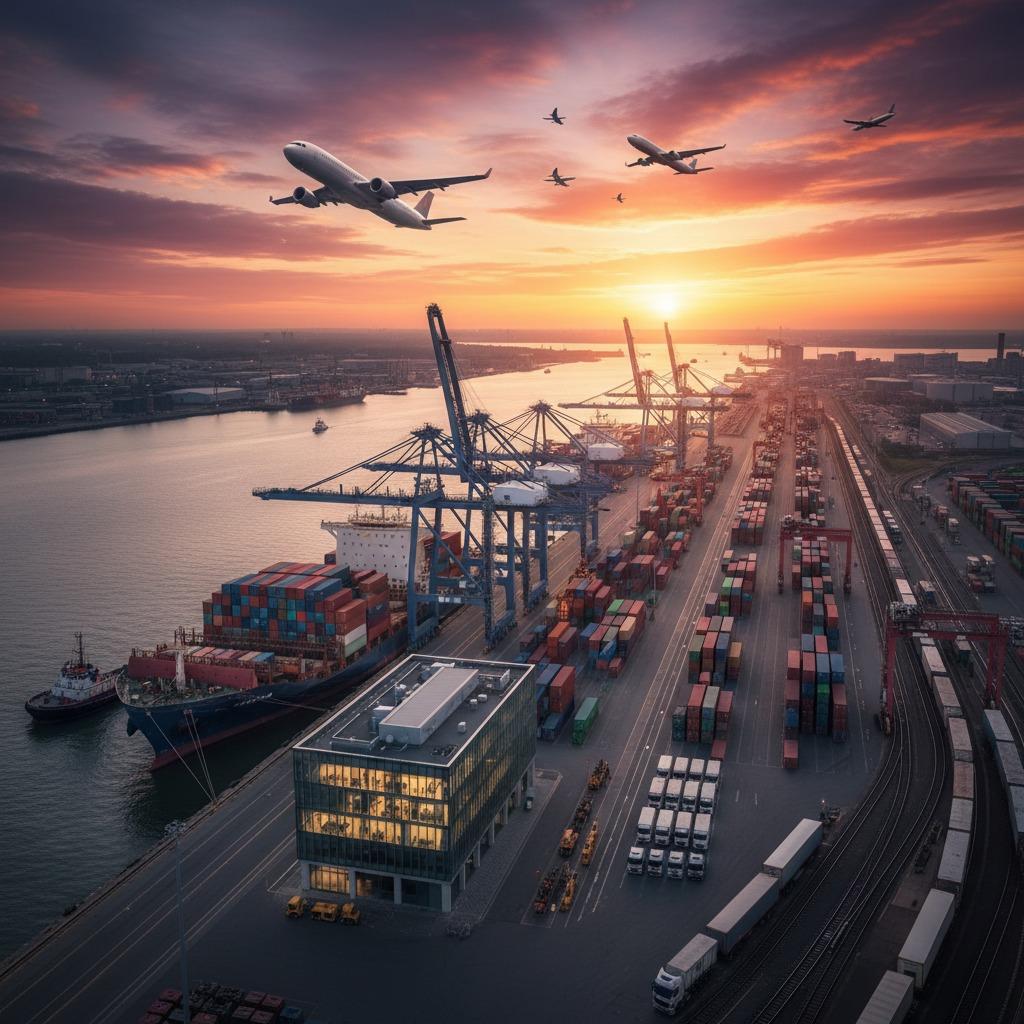
Logistics refers to the intricate process of planning, implementing, and controlling the efficient flow and storage of goods, services, and related information from origin to consumption. In today's interconnected world, logistics forms the backbone of global trade, ensuring that products move seamlessly across borders. Whether it's air cargo zipping through the skies or maritime vessels navigating vast oceans, effective logistics minimizes delays, reduces costs, and enhances customer satisfaction. For businesses, understanding logistics is crucial as it directly impacts supply chain reliability and profitability.
How Does Integrated Air and Sea Logistics Work?
Integrated air and sea logistics combines the speed of aerial transport with the capacity of maritime shipping to create a hybrid model that optimizes global distribution. Picture advanced cargo aircraft, equipped with state-of-the-art avionics and eco-friendly engines, handling urgent, high-value shipments over long distances. These planes reduce transit times dramatically, often delivering goods continents apart in mere hours. On the maritime side, robust cargo ships and precision cranes at bustling ports facilitate the bulk movement of containers, ensuring stability and safety across international waters. This synergy, as seen in intermodal hubs, allows for seamless transfers between air, sea, and land, cutting down on handling times and boosting overall efficiency. Companies leveraging this approach can respond swiftly to market demands while maintaining sustainability through fuel-efficient technologies.
What Role Does Technology Play in Modern Logistics?
Technology is revolutionizing logistics, making operations smarter and more responsive. The Autonomous Smart Port System exemplifies this shift, integrating AI-driven cranes and autonomous vehicles for precise container handling. Guided by real-time data analytics and advanced sensors, these systems minimize human error, accelerate loading processes, and enhance safety. Renewable energy solutions in smart ports further reduce environmental impact, aligning logistics with global sustainability goals. Beyond ports, high-tech distribution centers serve as nerve centers, coordinating freight trucks and rail systems via sophisticated software. This tech infusion not only streamlines workflows but also provides visibility through tracking tools, enabling businesses to forecast and adapt to disruptions proactively.
What are the Benefits of Sustainable Logistics Practices?
Sustainable logistics practices are gaining traction as companies prioritize eco-friendly operations. By adopting environmentally friendly engines in cargo aircraft and optimizing ship designs for lower emissions, logistics providers can significantly cut their carbon footprint. Integrated hubs that combine air, sea, and land transport reduce redundant trips, further conserving resources. For instance, the efficient transfer of goods at maritime hubs using precision cranes minimizes energy waste. These practices not only comply with international regulations but also appeal to environmentally conscious consumers, potentially increasing market share. Moreover, sustainable logistics often leads to cost savings through better fuel efficiency and reduced operational downtime.
How Can Businesses Choose the Right Logistics Partner?
Selecting a logistics partner involves evaluating their expertise in integrated solutions, technological capabilities, and commitment to reliability. Look for providers experienced in air and maritime operations, with a track record of handling diverse cargo types securely. Assess their use of innovations like AI and automation to ensure faster, more accurate services. Reliability metrics, such as on-time delivery rates and global network coverage, are key indicators. Additionally, consider partners who emphasize sustainability and offer transparent tracking. By partnering with a forward-thinking logistics firm, businesses can achieve seamless connectivity, reduced transit times, and enhanced supply chain resilience, positioning themselves for success in the competitive global market.
What Challenges Do Logistics Face Today and How to Overcome Them?
Logistics today grapples with challenges like supply chain disruptions, rising costs, and regulatory complexities. Geopolitical issues and weather events can delay air and sea shipments, while fluctuating fuel prices strain budgets. To overcome these, diversification of routes and modes—blending air for speed and sea for volume—is essential. Investing in predictive analytics helps anticipate disruptions, allowing proactive rerouting. Collaboration with tech-savvy partners ensures compliance with international standards. Ultimately, a resilient logistics strategy focuses on flexibility, innovation, and strong contingency planning to navigate uncertainties effectively.
Future Trends in Logistics: What to Expect?
The future of logistics promises even greater integration of emerging technologies like blockchain for secure tracking, drones for last-mile delivery, and fully autonomous fleets. As intermodal hubs evolve, expect enhanced connectivity between air, sea, and land, driven by 5G and IoT for real-time optimization. Sustainability will remain central, with green fuels and circular supply chains becoming standard. Businesses that embrace these trends will enjoy unparalleled efficiency, reduced costs, and a competitive edge in global trade.





