
The Power of Logistics in Global Trade
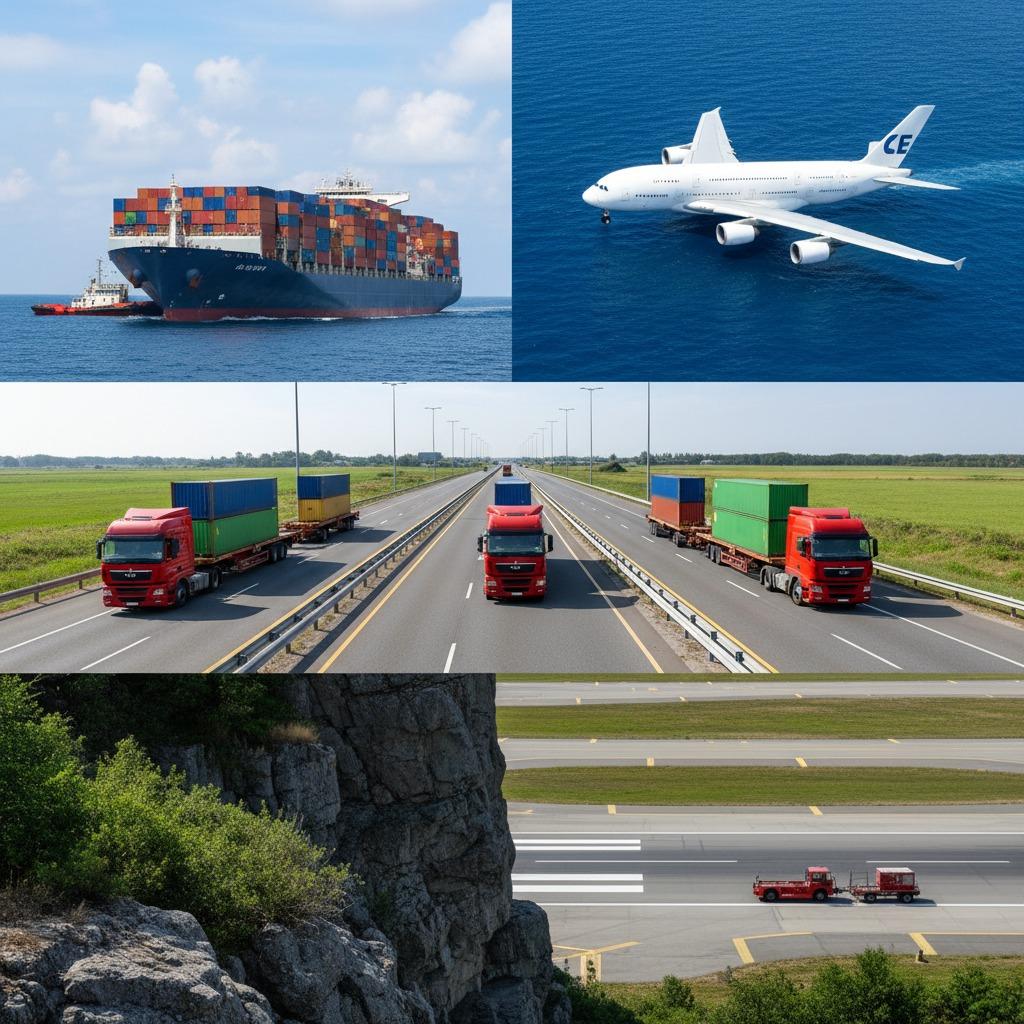
Logistics forms the backbone of modern global trade, enabling the seamless movement of goods across borders and oceans. It encompasses everything from planning and execution to transportation and delivery, ensuring that products reach their destinations efficiently and on time. In today's interconnected world, effective logistics is crucial for businesses to thrive, reducing costs and enhancing customer satisfaction. Companies specializing in maritime, road, and air transport play a pivotal role in this intricate network, handling vast volumes of cargo with precision and innovation.
Maritime Logistics: The Maersk Line Advantage
At the heart of maritime logistics lies the Maersk Line container ship, a marvel of engineering designed for unparalleled efficiency. This colossal vessel, emblazoned with the iconic Maersk branding, navigates the world's oceans carrying thousands of containers stacked meticulously for optimal balance. Its sleek design incorporates eco-friendly technologies that minimize emissions and boost fuel efficiency, aligning with global sustainability goals. Accompanied by robust tugboats for precise maneuvering through busy ports, it exemplifies the teamwork essential in logistics operations. The Maersk Line's commitment to innovation ensures that global commerce flows smoothly, connecting economies and cultures across continents.
Road Transport Innovations in Logistics
Shifting focus to overland logistics, the Advanced Freightliner Series represents the pinnacle of heavy-duty transportation. These trucks are engineered for reliability and performance, featuring enhanced aerodynamics and powerful engines that conquer highways and urban routes with ease. Equipped with state-of-the-art navigation and safety systems, they handle diverse cargo—from bulky containers to specialized freight—delivering speed and precision. In the realm of logistics, such vehicles set new standards for durability and capacity, allowing businesses to meet demanding schedules while minimizing downtime. The versatility of the Freightliner Series makes it indispensable for companies navigating complex supply chains on land.
Aviation's Role in High-Speed Logistics
Aerial logistics offers unmatched speed for time-sensitive shipments, with models like the Airbus A380 showcasing aviation's engineering excellence. Though primarily a passenger airliner, its design principles influence cargo variants that prioritize spacious holds and efficient operations. The A380's distinctive silhouette, powered by four engines and a wide wingspan, symbolizes the fusion of luxury and functionality in the skies. For logistics professionals, this highlights how air transport can bridge vast distances quickly, transporting high-value goods with cutting-edge technology. Aviation enthusiasts appreciate its detailed craftsmanship, but in practical terms, it underscores the importance of innovation in reducing transit times and enhancing global connectivity.
Integrating Logistics for Future Success
The synergy of maritime, road, and air logistics creates a robust ecosystem that powers international trade. By leveraging advanced vessels like the Maersk Line ship, reliable trucks such as the Freightliner Series, and efficient aircraft inspired by the A380, companies can optimize their operations. Key statistics reveal the industry's impact: global logistics spending exceeds $8 trillion annually, with maritime shipping alone handling over 90% of world trade by volume. As environmental concerns grow, sustainable practices in logistics—such as fuel-efficient designs and reduced emissions—will define future leaders. Businesses that integrate these elements gain a competitive edge, ensuring reliable supply chains that support economic growth and innovation worldwide.





