
Top Innovations in Logistics: Revolutionizing Global Supply Chains
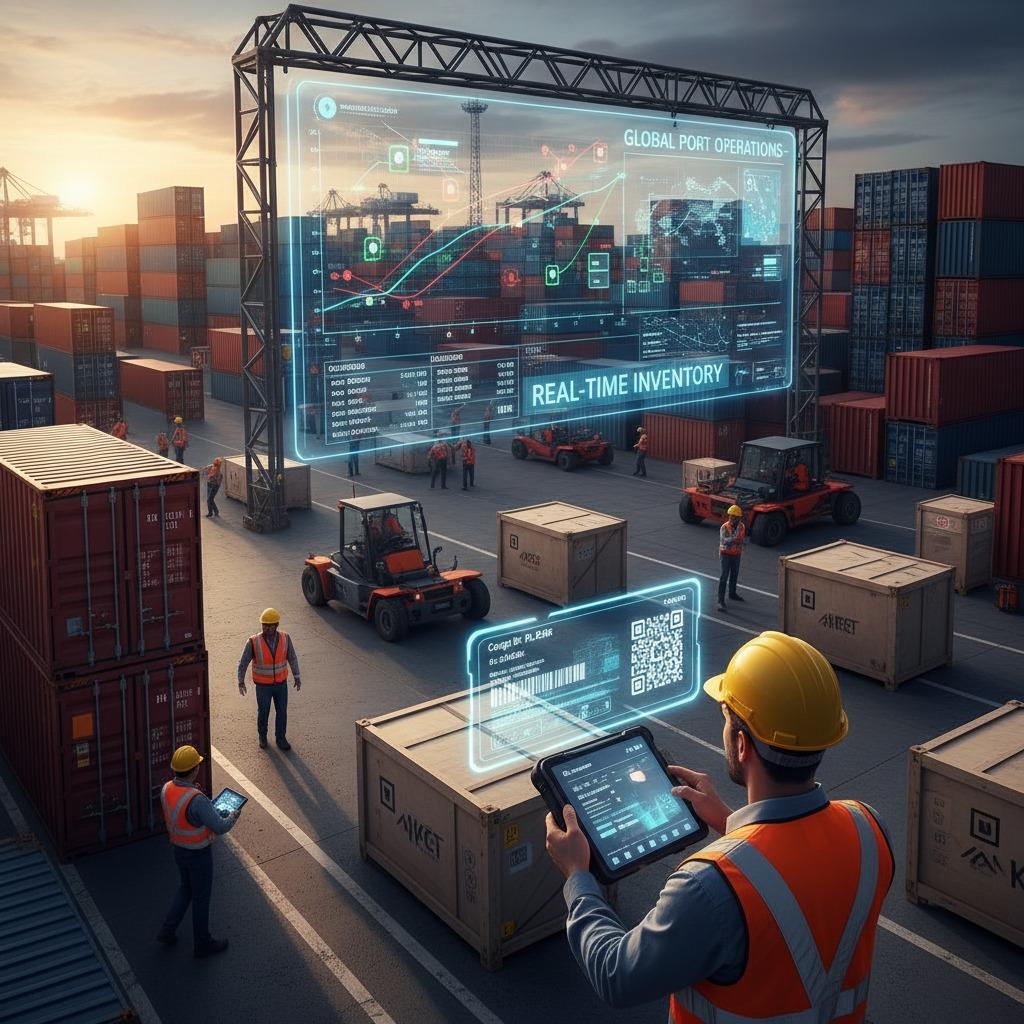
In the fast-paced world of logistics, staying ahead means embracing cutting-edge technologies that streamline operations and boost efficiency. This listicle explores key innovations in logistics, highlighting how smart solutions are transforming cargo handling, tracking, and sustainability. Whether you're in maritime shipping or port management, these advancements ensure seamless global trade.
1. Real-Time Inventory Management for Error-Free Operations
Logistics relies heavily on accurate inventory control to prevent delays and losses. Modern systems equip workers with handheld smart devices connected to unified platforms, allowing instant data entry and updates. In busy port settings, this means scanning items with ease, reducing human error. For instance, workers in high-visibility gear can verify stock levels on the spot, ensuring that every shipment aligns with schedules. This feature not only speeds up processes but also integrates with broader supply chains, making logistics more reliable for manufacturers and distributors worldwide. By minimizing discrepancies, businesses can achieve just-in-time deliveries, cutting costs and improving customer satisfaction.
2. Automated Cargo Tracking with RFID and QR Codes
Gone are the days of manual tracking in logistics; now, RFID and QR codes enable real-time monitoring from storage to delivery. Pre-tagged boxes, like those from Global Logistics Inc., allow for precise identification across continents. This technology syncs with AI-driven software to provide updates on cargo location, condition, and expected arrival. In a bustling hub with stacked containers, such systems ensure nothing gets lost in transit. The result? Enhanced transparency that builds trust with clients and optimizes fleet routes. Logistics professionals can now focus on strategic decisions rather than chasing shipments, revolutionizing how goods move globally.
3. Optimized Container Utilization Through AI Planning
Maximizing space is crucial in logistics, where every cubic foot counts. AI software calculates the most efficient stacking arrangements for containers, balancing safety and capacity. Picture neatly organized pallets inside open shipping units, ready for cranes and trucks—this is the power of predictive algorithms. These tools consider weight distribution, fragility, and route specifics to prevent damage during voyages. For shipping companies, this means fewer trips, lower fuel consumption, and reduced environmental impact. In an industry facing rising demands, optimized utilization turns logistics into a competitive edge, supporting sustainable practices without sacrificing speed.
4. Integrated Port and Fleet Operations for Seamless Coordination
Logistics thrives on harmony between ports, trucks, and vessels. Advanced solutions integrate these elements via centralized platforms, syncing operations in real time. From dockside cranes loading cargo to fleet dispatch, everything flows flawlessly. Safety remains paramount, with workers in helmets and vests adhering to protocols while using tech interfaces. This integration cuts turnaround times, enabling quicker global shipments. For industries reliant on timely deliveries, it's a game-changer, fostering collaboration between suppliers and authorities to handle peak volumes effortlessly.
5. Safety and Sustainability Features in Modern Logistics
Prioritizing worker safety and eco-friendliness is non-negotiable in logistics. High-visibility gear and robust training pair with tech like sensors for hazard detection, ensuring compliance and efficiency. Meanwhile, sustainable packaging from recycled materials reduces waste, aligning with global green standards. Innovations like hybrid propulsion in vessels further cut emissions, promoting clean operations. These features not only protect teams but also appeal to environmentally conscious markets, positioning logistics providers as leaders in responsible trade.
6. Autonomous Technologies and Drone Integration
The future of logistics is autonomous, with vessels like the Next-Generation Autonomous Hyper Cargo Ship leading the charge. Equipped with AI navigation and drone fleets for inspections, these systems handle loading, unloading, and monitoring with minimal intervention. Solar panels power onboard tech, enhancing sustainability. Drones optimize cargo security at sea, while modular designs maximize container efficiency. This fusion of autonomy and human oversight redefines maritime logistics, delivering goods faster and greener across oceans.
7. AI-Powered Navigation and Smart Monitoring
In logistics, predictive tech is key to navigating challenges. AI adapts to weather and currents for safe routes, while sensors monitor engines and cargo in real time. Alerts prevent breakdowns, ensuring uninterrupted supply chains. This smart approach minimizes downtime, supports preventive maintenance, and boosts overall reliability. For global operators, it's about turning data into actionable insights, making logistics not just efficient but resilient against uncertainties.
These innovations showcase how logistics is evolving into a smart, sustainable powerhouse. By adopting them, companies can navigate the complexities of global trade with confidence and precision.





