
Top Innovations in Logistics: Revolutionizing Global Trade
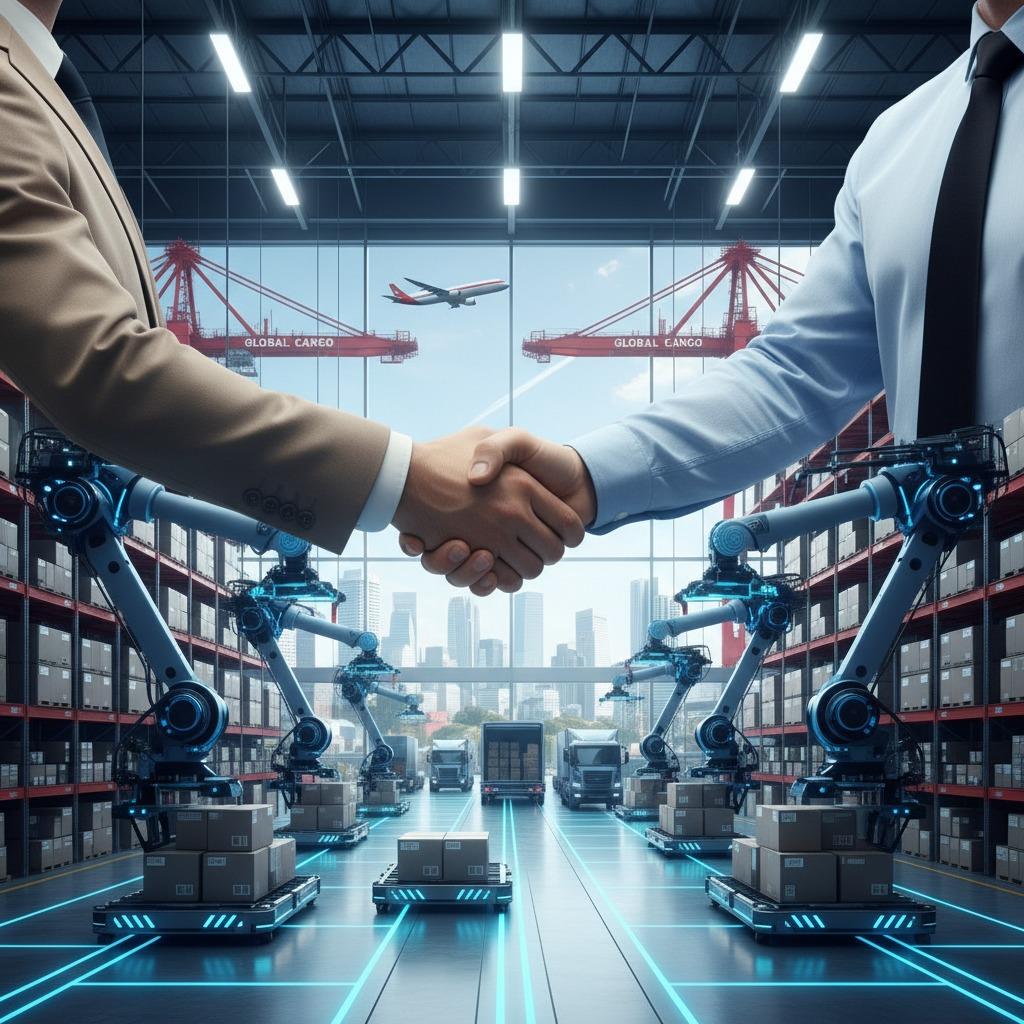
In the fast-paced world of logistics, staying ahead means embracing cutting-edge technologies that streamline operations and boost efficiency. Logistics forms the backbone of global supply chains, ensuring goods move seamlessly from origin to destination. From port cranes to automated warehouses, innovations are transforming how businesses handle volume and velocity in this sector. This article explores key advancements in logistics, highlighting tools and systems that are redefining the industry.
1. Advanced Port Cranes for Heavy-Duty Container Handling
One of the standout innovations in logistics is the ZPMC port crane, a robust engineering marvel painted in striking red, designed to lift containers up to 80 tons with precision. This crane integrates automated systems that minimize downtime and optimize workflows, making it ideal for busy ports where efficiency is paramount. In logistics, such equipment ensures smooth operations amid simultaneous activities like freight trucks and aircraft movements, underscoring its role in global trade. Engineered for longevity, the ZPMC port crane combines cutting-edge technology with the demands of modern logistics, serving as an indispensable asset for ports worldwide. By reducing manual intervention, it enhances safety and speed, allowing logistics managers to focus on strategic planning rather than operational hiccups.
2. Smart Networking Platforms for Seamless Collaboration
Logistics thrives on strong partnerships, and innovative networking platforms are bridging gaps between professionals. These services offer a sleek interface for easy navigation, personalized connections, and real-time messaging to foster productive meetings. In the realm of logistics, where coordination between suppliers, transporters, and clients is crucial, such platforms enable confident partnerships with features like virtual meeting rooms and integrated project management tools. Starting with a simple handshake symbolizing trust, these tools keep business momentum alive, whether closing deals or exploring ventures. For logistics teams, this means faster decision-making and reduced communication barriers, ultimately streamlining supply chain logistics and enhancing overall collaboration.
3. Automated Warehouse Systems Powered by AI and Robotics
The future of logistics is automated, with next-generation warehouse systems revolutionizing inventory and dispatch processes. Equipped with advanced robotics and AI, these facilities use smart sensors on robotic arms to sort and manage packages with seamless precision. Logistics benefits immensely from intelligent conveyor systems and autonomous mobile robots that ensure uninterrupted goods flow, tracked via holographic interfaces for real-time data. Scalable designs with high-capacity shelving adapt to fluctuating demands, while AI-driven analytics provide predictive insights to improve turnover rates and cut errors. In logistics operations, this setup reduces lead times through efficient loading onto automated vehicles, boosting customer satisfaction and setting a new standard for reliability and innovation.
4. Integrating Technology for End-to-End Logistics Optimization
Beyond individual tools, the true power of modern logistics lies in integration. Combining port cranes, networking platforms, and automated warehouses creates a cohesive ecosystem that anticipates challenges and maximizes efficiency. For instance, real-time data from warehouse AI can inform port operations, ensuring synchronized movements that prevent bottlenecks. Logistics professionals leveraging these synergies report up to 30% improvements in throughput, as automation handles repetitive tasks while human expertise focuses on oversight. As global trade expands, such integrated approaches in logistics not only cut costs but also promote sustainability by optimizing resource use and minimizing waste.
5. The Road Ahead: Sustainable and Scalable Logistics Solutions
Looking forward, logistics will continue evolving with a focus on sustainability and scalability. Innovations like energy-efficient cranes and eco-friendly robotics are reducing the carbon footprint of supply chains. In logistics, adopting these solutions means preparing for future demands, from e-commerce surges to international expansions. By investing in these technologies, companies can achieve resilient operations that adapt to disruptions, ensuring reliable delivery in an unpredictable world. Ultimately, the ongoing advancements in logistics are not just about speed—they're about building a smarter, more connected global network that drives economic growth.





