
Top Innovations in Logistics: Revolutionizing the Supply Chain
In the fast-paced world of logistics, staying ahead means embracing cutting-edge technologies and solutions that streamline operations and boost efficiency. Logistics is the backbone of global trade, connecting manufacturers, ports, and warehouses in a seamless flow of goods. From massive cranes handling containers to AI-driven automation, the industry is evolving rapidly. In this listicle, we'll explore key innovations that are transforming logistics, drawing from real-world examples of precision engineering and smart systems.
1. High-Capacity Container Cranes for Port Efficiency
The ZPMC 827 80T container crane stands as a powerhouse in modern logistics. Engineered for excellence by ZPMC, this crane boasts an impressive 80-tonne load capacity, designed to handle heavy cargo with precision in bustling ports. Its robust, angular red framework not only symbolizes durability but also ensures seamless integration with container trucks maneuvering below. As airplanes descend in the background, illustrating the interconnected nature of global trade, this crane exemplifies how logistics equipment pushes boundaries in efficiency. Ports worldwide rely on such machinery to reduce turnaround times, minimizing delays in shipping schedules and optimizing the flow of international commerce.
2. Professional Apparel Tailored for Logistics Professionals
Logistics professionals often face long hours in dynamic environments, making comfort and style essential. The Business Connect Suit Essentials offer a refined solution, featuring a light blue shirt with a subtle sheen that conveys professionalism without sacrificing breathability. Paired with high-quality tailored trousers, this ensemble is crafted from premium, durable fabrics ideal for extended meetings or on-site inspections. In the logistics sector, where first impressions matter during client negotiations or team coordinations, such attire enhances confidence and performance. This wardrobe choice bridges the gap between aesthetics and functionality, supporting the daily demands of those driving supply chain success.
3. Automated Warehousing Systems for Streamlined Operations
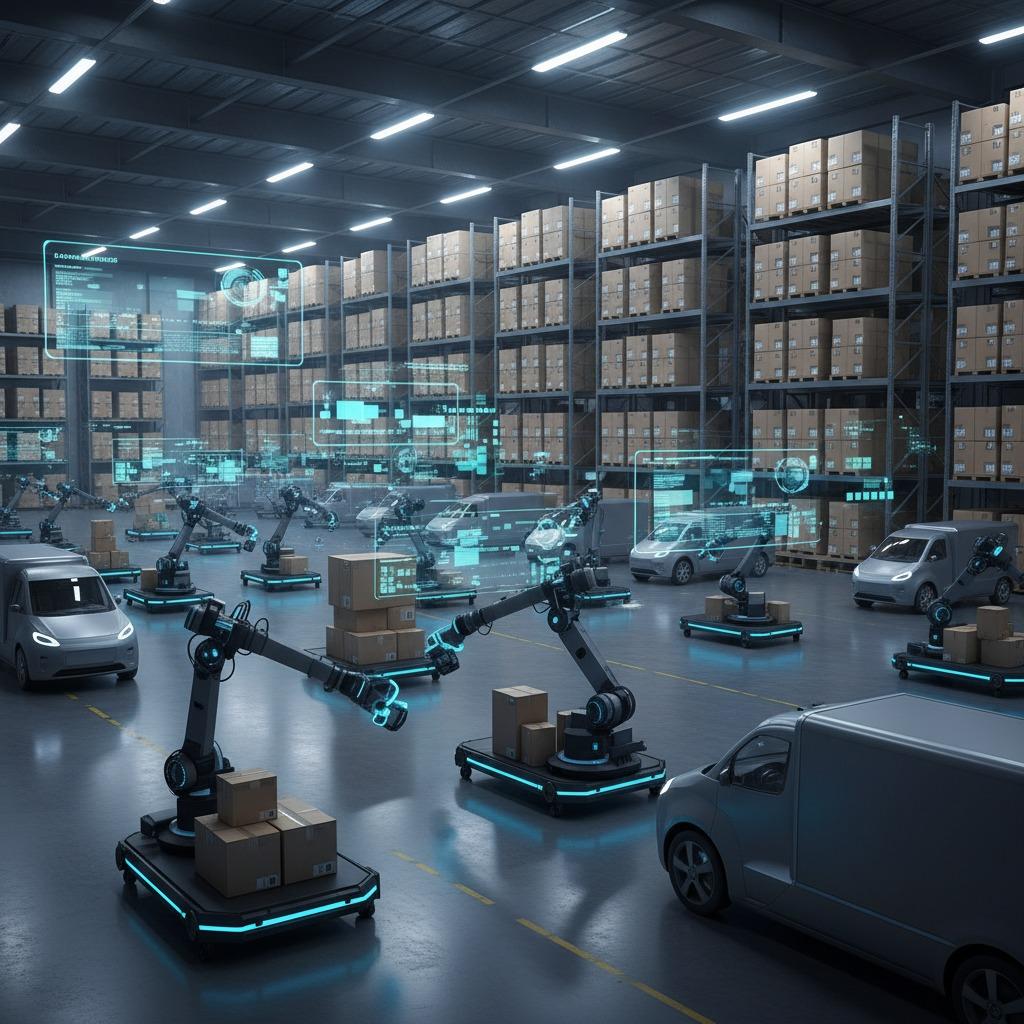
Revolutionizing logistics at the warehouse level, advanced automated systems are changing how goods are stored and distributed. Intelligent robotic arms equipped with AI sensors precisely sort packages on high-density shelves, while autonomous electric transport vehicles move items efficiently to loading docks. Monitored via a centralized digital interface, these setups enable real-time tracking and inventory management, reducing errors and enhancing productivity. In an era where sustainability is key, this eco-friendly approach optimizes space and cuts down on manual labor, paving the way for a more agile supply chain. Logistics managers are increasingly adopting these innovations to meet the demands of e-commerce and just-in-time delivery.
4. Integrating Technology for Global Trade Connectivity
Beyond individual tools, the true power of logistics lies in integration. Combining cranes, professional attire for on-the-ground teams, and automated warehouses creates a cohesive ecosystem. For instance, real-time data from port cranes feeds into warehouse systems, ensuring synchronized movements across the supply chain. This interconnected logistics framework not only speeds up processes but also minimizes costs and environmental impact. As global trade expands, with elements like descending aircraft highlighting multimodal transport, companies must invest in these synergies to remain competitive. Embracing such holistic strategies ensures resilience against disruptions, from weather delays to market fluctuations.
5. Future Trends Shaping Logistics Sustainability
Looking ahead, logistics is poised for even greater advancements, with a focus on green technologies and data analytics. Electric vehicles and AI predictive maintenance will further reduce emissions, while blockchain ensures transparent tracking from origin to destination. Professionals equipped with the right tools and attire will lead this charge, fostering a more efficient and ethical industry. By prioritizing these innovations, businesses can navigate the complexities of modern logistics, delivering value in an increasingly interconnected world.





