
Top Innovations in Modern Logistics: Streamlining Global Trade
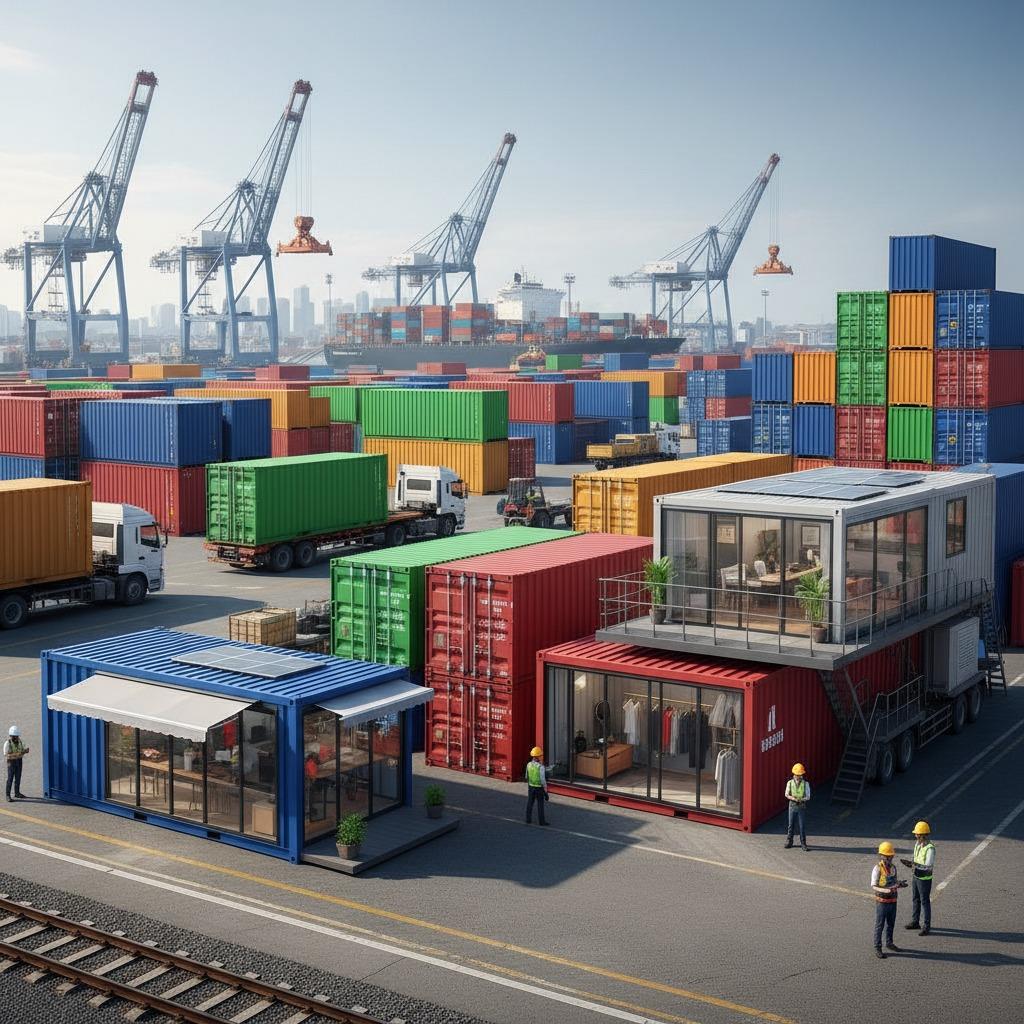
In the fast-paced world of logistics, staying ahead means embracing cutting-edge solutions that enhance efficiency and sustainability. This article explores key innovations transforming the logistics industry, from versatile shipping containers to integrated hubs and advanced cargo vessels. Whether you're in supply chain management or global trade, these developments are redefining how goods move across the world.
1. High-Quality Multi-Purpose Shipping Containers
Shipping containers have evolved far beyond basic transport units. Today's high-quality, multi-purpose shipping containers are designed to meet diverse needs in modern logistics and storage. Featuring vibrant, durable finishes in colors like warm yellows, rustic reds, greens, and blues, these containers not only aid in quick identification but also add a visually appealing touch to industrial spaces. Built with precision, they include secure, weather-resistant doors and reinforced steel structures to protect transported goods from harsh conditions.
These stackable units maximize space utilization, making them ideal for shipping, storing, or even repurposing into eco-friendly living spaces, pop-up shops, or mobile offices. In logistics, they support industries like construction, retail, and supply chain management by streamlining operations and reducing downtime. Their versatility promotes sustainability, allowing businesses to adapt them for urban or rural settings without compromising on durability. By integrating these containers into your logistics strategy, you can achieve greater efficiency and cost savings while contributing to greener practices.
2. SkyPort Integrated Logistics Hub: Revolutionizing Connectivity
The SkyPort Integrated Logistics Hub represents the pinnacle of seamless air-sea coordination in logistics. This revolutionary system unifies air freight, sea freight, and advanced container management into a single hub, delivering unprecedented speed and efficiency for global trade. With state-of-the-art docks connected to modernized airports, it enables immediate transfers for perishable goods, urgent deliveries, and high-value items, all monitored in real-time via advanced tracking technologies.
At its core is a high-capacity container management system powered by AI, which optimizes space and slashes processing times for loading and unloading. Automated cranes and robotics handle even the largest shipments safely and swiftly, while the hub's futuristic design emphasizes sustainable practices. Global connectivity is enhanced through precise fleet management for cargo airplanes and partnerships with international shipping networks. For businesses, SkyPort means reliable, faster, and greener logistics operations, linking continents without delays and setting a new standard for integrated supply chains.
3. Advanced Cargo Ships and Maritime Efficiency
Maritime logistics reaches new heights with cutting-edge cargo ships designed for efficiency and sustainability. These vessels feature aerodynamic hulls in striking blue, reducing drag for optimized fuel use and massive carrying capacity. Stacked with color-coded, multi-colored containers, they exemplify streamlined management, improving cargo accessibility and cutting loading times in logistics workflows.
Equipped with onboard navigation masts for communication, radar, and real-time monitoring, these ships integrate automation to minimize manual work and boost reliability. Accompanied by loyal tugboats for precise docking, they ensure smooth operations in busy ports. This mobile infrastructure supports global supply chains while adhering to eco-friendly standards, transporting commerce across oceans with minimal environmental impact. In the broader logistics landscape, such ships are essential for businesses aiming to scale international trade without sacrificing speed or safety.
4. The Future of Sustainable Logistics Practices
Looking ahead, logistics is shifting toward sustainability and innovation. From repurposable containers to AI-driven hubs and fuel-efficient ships, these tools address modern challenges like space constraints and environmental concerns. Businesses adopting these solutions gain competitive edges through reduced costs, faster turnaround, and reliable global reach.
Embracing these advancements not only optimizes current operations but also prepares for future demands in logistics. Whether stacking containers for storage or coordinating air-sea transfers, the focus remains on efficiency and adaptability. As the industry evolves, staying informed on these trends ensures your operations remain robust and forward-thinking.





