
Top Innovations in Logistics: Streamlining Global Supply Chains
In the fast-paced world of logistics, efficiency and reliability are paramount. This article explores key innovations that are revolutionizing logistics operations, from modular storage solutions to advanced container vessels. Whether you're in shipping, warehousing, or transportation, understanding these developments can transform how you manage global trade.
1. Modular Storage Solutions for Versatile Logistics
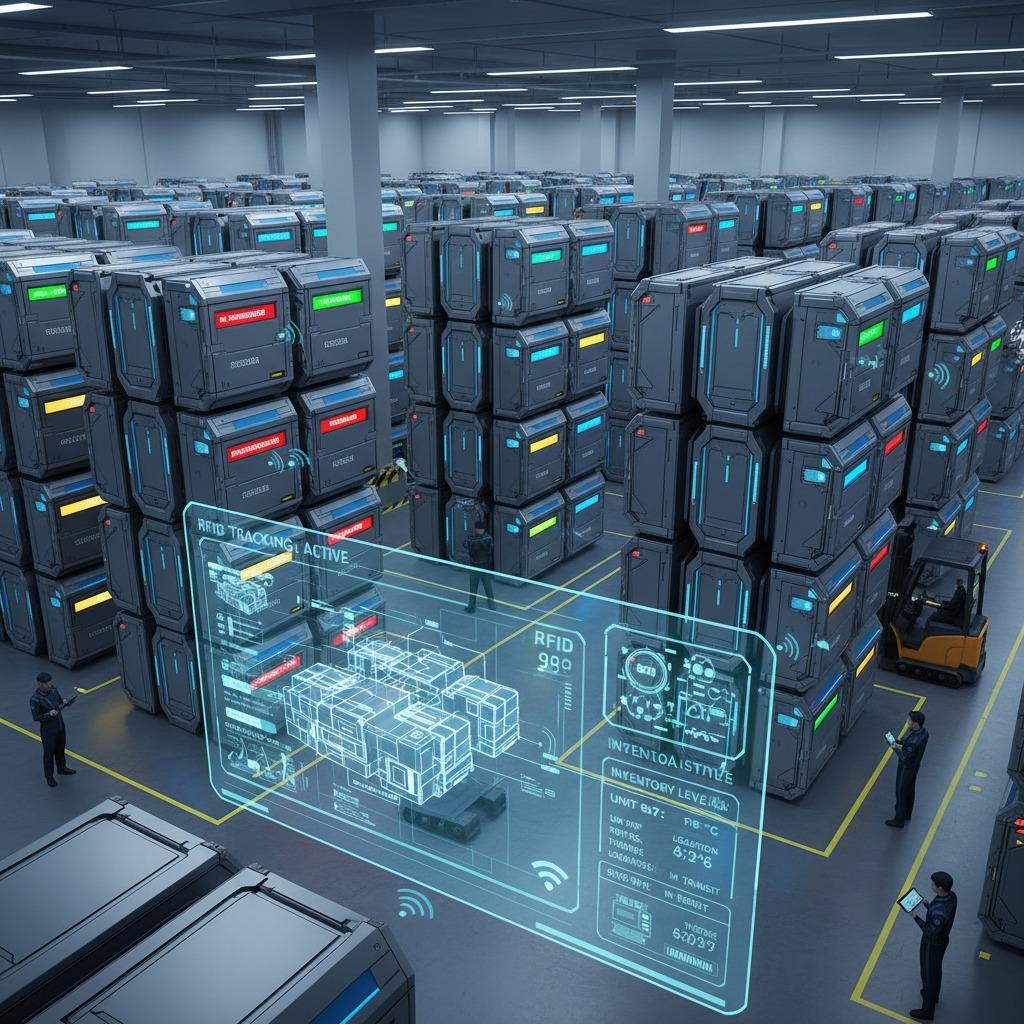
Modular storage solutions are at the forefront of modern logistics, offering flexibility and durability for industries like shipping and warehousing. These premium-grade shipping containers, built with high-strength steel and anti-corrosion coatings, withstand extreme weather, ensuring your goods remain secure during sea voyages or land transport. Their stackable design maximizes space at ports and storage sites, while color-coded options simplify inventory tracking. Imagine customizing these units for temperature control or secure locks—perfect for everything from bulk commodities to perishable items. By integrating RFID tracking, these solutions provide real-time visibility, optimizing your supply chain and reducing downtime. In logistics, such adaptability not only cuts costs but also enhances scalability for growing businesses.
2. Advanced Container Terminals Enhancing Logistics Efficiency
Container terminals represent a hub of innovation in logistics, where vast arrays of colorful containers handle immense capacities with precision. Equipped with state-of-the-art cranes and smart bridges, these terminals reduce loading times dramatically, minimizing energy use while boosting productivity. In logistics, the integration of RFID and tracking systems ensures traceability for diverse shipments, from electronics to pharmaceuticals. This setup harmonizes with air and sea transport, creating a seamless ecosystem. For companies navigating global imports and exports, these terminals mean faster turnaround and sustainable operations. Picture a port where automation handles everything from sorting to security checks—logistics becomes not just efficient, but predictive, using AI to forecast delays and optimize routes.
3. The Rise of Supermax Container Vessels in Maritime Logistics
Supermax container vessels are game-changers in maritime logistics, boasting capacities that meet the demands of international trade. These colossal ships, with aerodynamic hulls and vibrant designs, cut through waters efficiently, thanks to advanced engines that lower emissions. In logistics, their smart technology—like automated loading and AI monitoring—speeds up port activities and ensures safe voyages. Flanked by escort tugboats for precise docking, they exemplify reliability. Sustainability features, such as solar integration, align with eco-friendly goals, making them ideal for long-haul routes. Businesses relying on sea freight benefit from reduced fuel costs and enhanced tracking, turning potential challenges into opportunities for streamlined global movement.
4. Integrating Air Transportation for Agile Logistics
Air transportation adds speed to the logistics equation, especially for time-sensitive goods like perishables and high-value items. Sleek jets with cold chain solutions ensure pharmaceuticals and electronics arrive intact, regardless of distance. In logistics, combining air with sea and land creates a hybrid model that offers unparalleled flexibility. Real-time data from these systems allows for dynamic rerouting, minimizing disruptions from weather or demand spikes. For exporters and importers, this means meeting tight schedules without compromising safety. As logistics evolves, air freight's role grows, supported by tech that tracks cargo from takeoff to delivery, fostering transparency and trust in the supply chain.
5. Sustainable Practices Shaping Future Logistics
Sustainability is no longer optional in logistics—it's essential. From eco-friendly container designs to low-emission vessels, innovations prioritize green operations without sacrificing efficiency. Anti-corrosion materials extend product life, reducing waste, while energy-optimized ports lower the carbon footprint. In logistics, adopting these practices not only complies with regulations but also appeals to environmentally conscious partners. Companies can leverage customization for reusable units, turning one-time shipments into ongoing assets. Looking ahead, AI and automation will further minimize impacts, ensuring logistics supports global connectivity responsibly. By embracing these shifts, businesses position themselves as leaders in a sustainable economy.





