
Top Innovations Revolutionizing Logistics in 2023
Logistics has become the backbone of modern commerce, enabling seamless movement of goods across the globe. In this listicle, we explore key innovations that are transforming the logistics landscape, from smart systems to advanced vessels and aircraft. These advancements highlight how technology is optimizing efficiency, reducing costs, and promoting sustainability in logistics operations.
1. Smart Freight Monitoring and Parking Systems
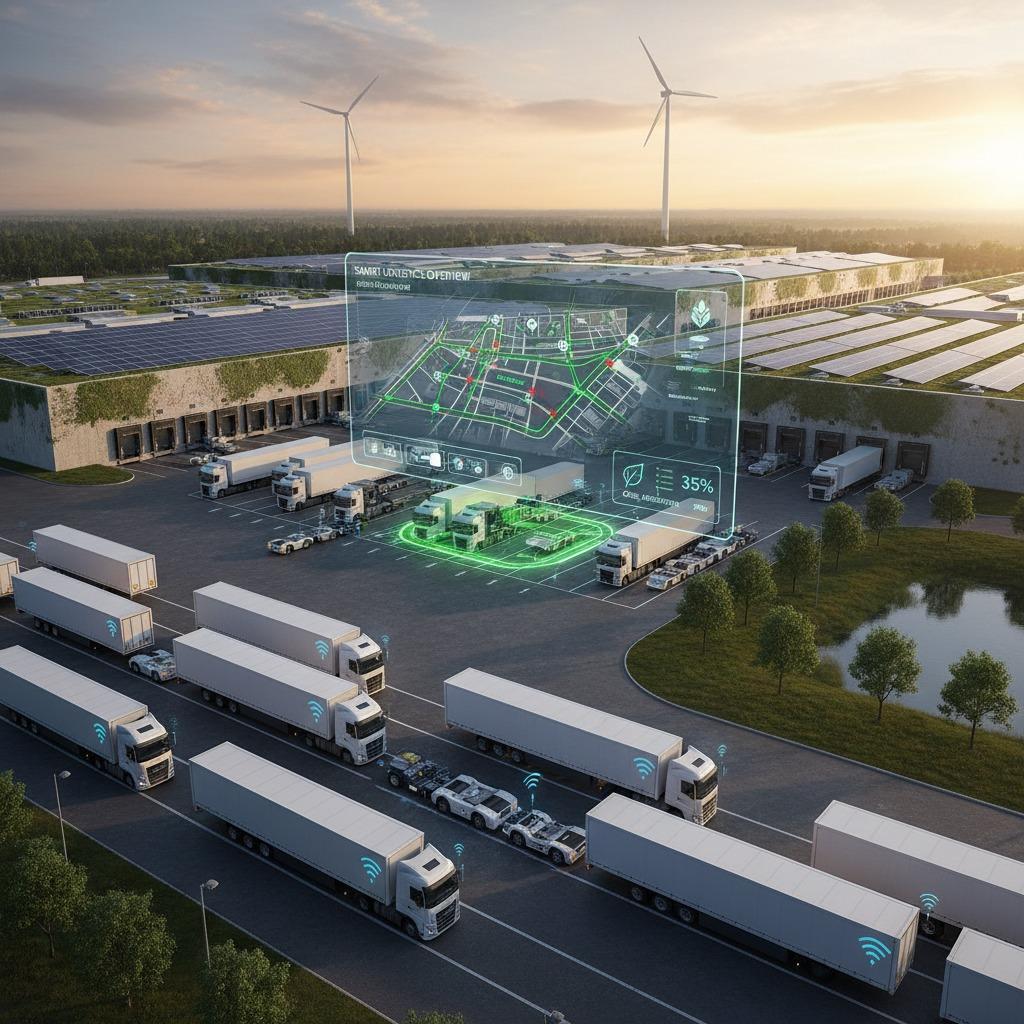
This cutting-edge solution addresses the chaos in trucking hubs by integrating real-time monitoring and automation. Imagine a logistics hub where vehicles are tracked via IoT sensors, ensuring optimal parking and minimal idle time. Features like advanced fleet tracking allow managers to monitor fuel usage and loading progress instantly. Automated traffic flow eliminates bottlenecks, while digital security provides a centralized dashboard for oversight. By optimizing space, this system cuts down on unnecessary movements, lowering carbon emissions and operational costs. For transportation companies, adopting such logistics innovations means faster turnaround times and greener practices, making it a game-changer for busy freight yards.
2. Massive Container Vessels Like COSCO Shipping
In the realm of maritime logistics, giants like the COSCO Shipping Container Vessel exemplify scale and precision. These behemoths stack thousands of intermodal containers, transporting diverse goods across oceans with durability against harsh weather. The bold branding underscores reliability in global shipping, supported by eco-conscious designs that meet environmental standards. Energy-efficient technologies reduce the carbon footprint, connecting continents efficiently. For international trade, this vessel transforms ports into bustling hubs of commerce, surrounded by scenic waters and mountains. Investing in such logistics powerhouses ensures robust supply chains, handling high-volume freight with minimal delays and maximum security.
3. Advanced Cargo Aircraft Operations with FedEx Express
Air logistics reaches new heights with FedEx Express's customized Boeing cargo aircraft, designed for speed and precision in global deliveries. Under midnight skies, these jets load high-volume shipments securely using protective netting and efficient equipment. The expansive cargo holds accommodate everything from fragile items to urgent supplies, backed by a fleet of tugs for streamlined operations. This setup guarantees the "World On Time" promise, vital for time-sensitive commerce. In the broader logistics ecosystem, such aircraft minimize transit times across continents, enhancing overall supply chain reliability. Companies relying on fast transport benefit from this innovation's commitment to safety and organization.
4. IoT-Enabled Tracking and Sustainability in Logistics
Beyond hardware, IoT integration is a pivotal trend in logistics, enabling real-time data on vehicle positions, maintenance needs, and environmental impact. Systems that communicate directly with trucks foster proactive management, reducing downtime and fuel waste. Sustainability drives many logistics advancements, with features like optimized routing to lower emissions. For instance, combining smart parking with vessel and aircraft tech creates end-to-end efficiency. Businesses adopting these tools see not only cost savings but also compliance with global eco-standards. As logistics evolves, IoT ensures operations are agile, secure, and forward-thinking, supporting the demands of international trade.
5. Centralized Dashboards for Comprehensive Logistics Oversight
A unified dashboard is revolutionizing how logistics managers gain visibility into operations. From fleet parking areas to aircraft loading zones, these interfaces provide bird's-eye views of assets, integrating data from sensors and tracking devices. This allows for quick decision-making, enhancing security and coordination. In large-scale environments, such as ports or airports, dashboards prevent losses and streamline workflows. The result is a more resilient logistics network, where predictive analytics forecast issues before they arise. Embracing this technology empowers companies to scale efficiently, turning complex logistics challenges into manageable opportunities for growth.
These innovations collectively redefine logistics, blending technology with practical efficiency. Whether on land, sea, or air, the future of logistics is smarter, faster, and more sustainable, driving global commerce forward.





