
Understanding the Dynamics of Modern Logistics
Logistics forms the backbone of global commerce, ensuring that goods move efficiently from origin to destination. In today's fast-paced world, effective logistics solutions are crucial for businesses aiming to thrive in competitive markets. This article explores the intricacies of logistics, highlighting its role in transforming industries through innovation and sustainability.
Key Features of Advanced Logistics Hubs
One of the most impressive aspects of contemporary logistics is the development of state-of-the-art port infrastructures. High-capacity cranes, often red and white gantry models, dominate these hubs, equipped with automation software for precise loading and unloading of massive container ships. These smart logistics hubs integrate IoT systems for real-time tracking, minimizing bottlenecks and idle times. For instance, seamless container transfers from vessels to storage yards exemplify how logistics optimizes workflow, reducing operational costs and enhancing reliability. Ports designed with future scalability in mind can accommodate mega container volumes, supporting the ever-growing demands of international trade.
Sustainable Practices in Logistics
Sustainability is increasingly central to logistics strategies, with eco-friendly designs becoming standard in modern facilities. Renewable energy-powered machines and electric vehicles help reduce the environmental footprint of operations. These initiatives not only comply with global regulations but also appeal to environmentally conscious stakeholders. In logistics, multi-purpose usage extends beyond containers to specialized vessels, allowing hubs to handle diverse cargo types efficiently. This versatility ensures that logistics remains adaptable to varying industry needs, from bulk goods to high-value items.
Revolutionizing Construction Through Logistics Integration
Logistics extends its influence into specialized sectors like construction, where tools such as the Smart Construction Lifting System streamline material handling. Featuring automated lifting controls and durable builds from reinforced steel, this system enhances safety with fall prevention safeguards and stability monitors. Efficient material flow via crane hopper mechanisms minimizes waste during concrete pouring, integrating seamlessly with scaffolding frameworks. Such innovations demonstrate how logistics principles—precision, efficiency, and safety—apply across domains, reducing downtime and boosting project timelines.
The Rise of Air Freight in Global Logistics
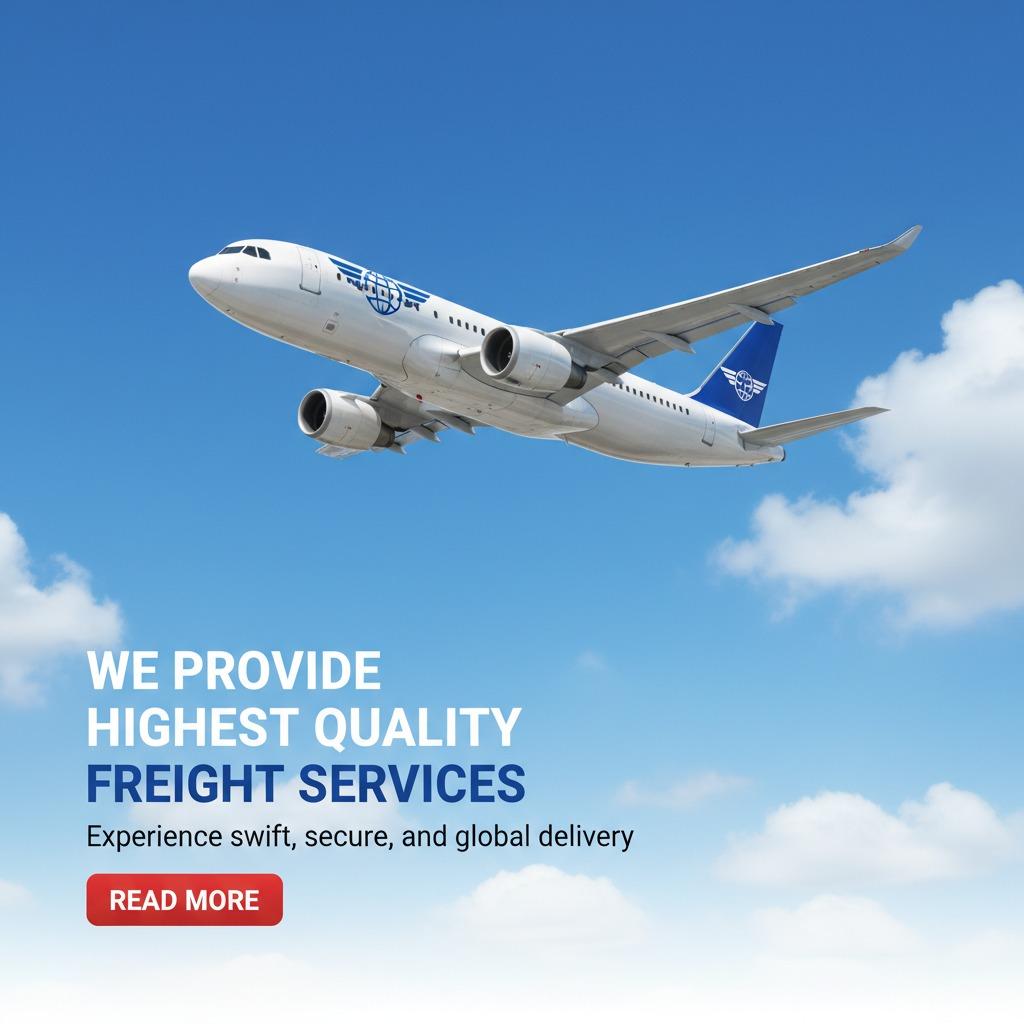
Air freight services represent a pinnacle of speed within logistics, offering unparalleled transport for time-critical shipments. With global networks connecting major hubs and remote areas, these services ensure highest standards of safety through advanced technology and procedures. Customizable solutions cater to both commercial and personal needs, providing flexible routes and service tiers. In logistics, air freight redefines efficiency, enabling businesses to meet ambitious goals with reliable, swift deliveries. As global trade evolves, integrating air options with sea and land logistics creates a comprehensive ecosystem for seamless connectivity.
Future Trends Shaping Logistics
Looking ahead, logistics will continue to evolve through technology-driven advancements like AI and blockchain for enhanced tracking and security. Mega-ports and smart systems will play a key role in achieving borderless flows of goods, supporting economic growth worldwide. Businesses relying on robust logistics partners can expect reduced costs, improved scalability, and sustainable practices. By embracing these developments, industries can navigate complexities, ensuring that logistics remains a driving force in global commerce. This holistic approach not only meets current demands but anticipates future challenges, positioning logistics as an indispensable element of success.





