
Understanding Logistics in Modern Transportation
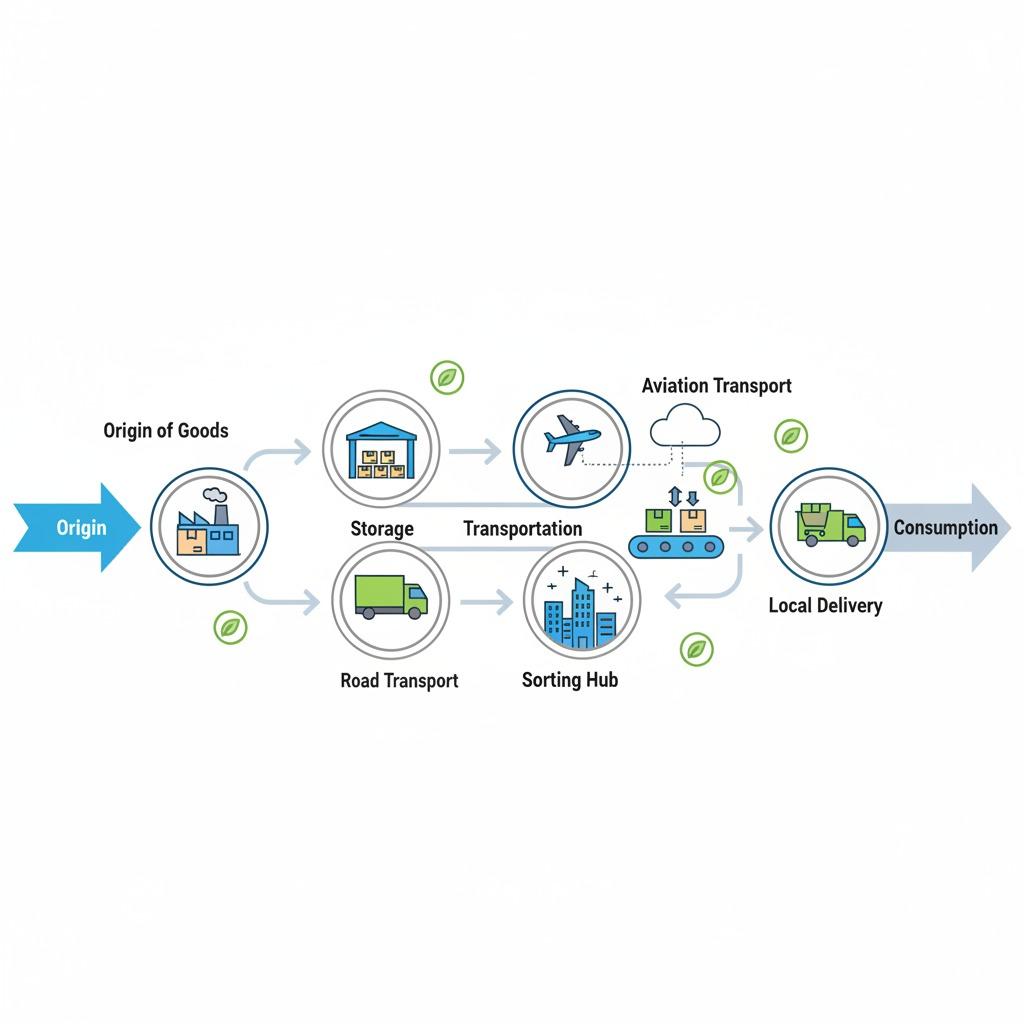
In the fast-paced world of global trade, logistics stands as the backbone of efficient supply chains. Logistics refers to the detailed coordination and implementation of complex operations involving the movement and storage of goods from origin to consumption. From aviation to road transport, effective logistics ensures that businesses can deliver products on time while minimizing costs and environmental impact. This article delves into the intricacies of logistics, exploring its critical role in various sectors and highlighting innovative solutions that are reshaping the industry.
The Evolution of Logistics in Aviation
Aviation logistics has undergone significant transformation, particularly with the integration of advanced technologies in airport operations. Ground support services, including fuel management and baggage handling, are now optimized through AI-based fleet management systems. For instance, modern platforms coordinate ground vehicles, fuel tankers, and passenger boarding bridges to achieve minimum turnaround times for aircraft. This seamless interaction not only enhances efficiency but also prioritizes safety and sustainability. Key innovations like fuel tracking systems ensure timely refueling with strict adherence to protocols, while baggage logistics software reduces errors in handling. Employee connectivity via wearable tech, equipped with GPS and task-tracking features, fosters better collaboration among airport staff. Moreover, the adoption of low-emission vehicles underscores a commitment to eco-friendly practices, reducing the carbon footprint of airport operations. These advancements in logistics are vital for handling the increasing volume of air travel and cargo, making airports hubs of precision and speed.
Next-Generation Aircraft and Logistics Integration
The introduction of high-performance passenger aircraft further exemplifies how logistics intersects with aeronautical engineering. These aircraft, designed for operational excellence and sustainability, feature futuristic aerodynamics that reduce drag and improve fuel efficiency. Equipped with dual-engine technology, they offer superior range for international flights without frequent refueling stops. Inside, spacious interiors with advanced amenities like adaptive lighting and in-flight entertainment enhance passenger comfort, directly supporting logistics goals of reliable and enjoyable travel experiences. Safety innovations, including state-of-the-art avionics and autopilot systems, ensure that these planes integrate smoothly into broader logistics networks. By minimizing downtime and emissions, such aircraft contribute to greener skies and more efficient global logistics chains. For airlines and logistics providers, investing in these vessels means faster connections across continents, bolstering the overall resilience of aviation supply systems.
Ground-Based Logistics: The Power of Container Trucks
On the roads, logistics efficiency is driven by robust container trucks engineered for demanding freight tasks. These vehicles boast durable chassis and high-torque engines capable of handling multi-ton loads, such as COSCO or CAPITAL containers, with stability on diverse terrains. Streamlined designs optimize fuel consumption, while advanced cabin technologies provide drivers with ergonomic comfort, navigation, and climate control. Safety features like reinforced locking mechanisms and lane assistance protect both cargo and personnel during intercity or cross-border hauls. In the context of logistics, these trucks are indispensable for seamless transport, ensuring timely deliveries that keep businesses competitive. The combination of power, efficiency, and safety in these trucks addresses the challenges of modern logistics, from urban congestion to long-haul demands.
The Future of Logistics: Trends and Insights
Looking ahead, logistics is poised for even greater innovation through digital integration and sustainability focus. Statistics show that global logistics spending exceeds $8 trillion annually, with automation expected to reduce costs by up to 15% in the coming decade. In aviation, smart systems will further minimize delays, while road transport benefits from electric and autonomous vehicles. Challenges like supply chain disruptions highlight the need for resilient logistics strategies, emphasizing data analytics and real-time tracking. For companies in aviation and transport, embracing these trends means not only operational efficiency but also enhanced customer satisfaction. Ultimately, effective logistics bridges the gap between production and consumption, driving economic growth in an interconnected world. By leveraging technology and eco-conscious designs, the industry continues to evolve, promising a more streamlined and sustainable future.





