
Ultimate Guide to Optimizing Logistics with Innovative Container Monitoring Solutions
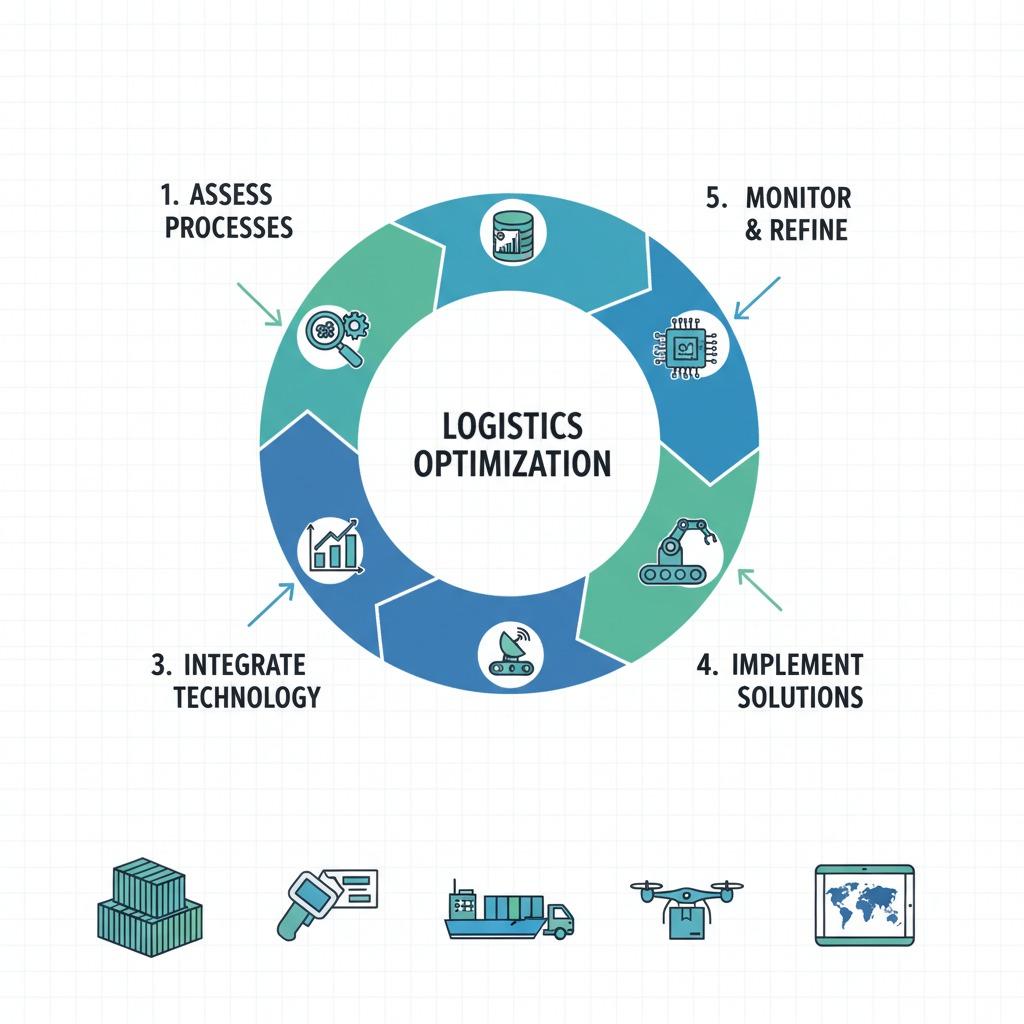
In the fast-paced world of global trade, effective logistics is the backbone of successful supply chains. This guide will walk you through step-by-step strategies to implement advanced logistics solutions, like the Global Logistics Container Monitoring Solution, to streamline your freight operations and ensure seamless goods handling.
Understanding the Core of Modern Logistics
To begin optimizing your logistics processes, start by assessing your current setup. Logistics involves the planning, execution, and control of the movement and storage of goods. Begin with a thorough audit of your existing systems. Identify bottlenecks in tracking, loading, and documentation. For instance, integrate tools like compact barcode systems for quick scanning, which can be synced with central databases via rugged tablets. This step ensures real-time visibility, reducing errors and speeding up inventory management. Next, evaluate your container utilization. Use smart stacking techniques to maximize payload efficiency, especially in high-capacity containers designed for bulk shipments. By mapping out your supply chain—from port storage to final delivery—you lay the foundation for a more efficient logistics network.
Implementing Key Features for Enhanced Logistics Efficiency
Once your assessment is complete, incorporate innovative features to elevate your logistics game. First, introduce advanced container lighting with motion-activated LEDs to improve worker safety and visibility in low-light conditions inside containers. This is crucial during night shifts or in dimly lit warehouses. Step two: Adopt durable, eco-friendly packaging with reinforced materials to protect goods during transit. Ensure all boxes are labeled for easy scanning, integrating with logistics software for accurate tracking. For transportation, pair your setup with heavy-duty vehicles and state-of-the-art lifting equipment. In the loading phase, use digital clipboards for streamlined documentation, minimizing human error and accelerating processes. If you're dealing with maritime logistics, consider futuristic elements like integrated drone deployment for rapid cargo handling. These drones can assist in navigation and quick deliveries, optimizing the entire logistics flow. Finally, enforce ergonomic safety gear standards, such as visibility vests and reinforced footwear, to maintain a safe working environment in high-traffic facilities.
Scaling Logistics with Cutting-Edge Technology
To scale your operations, leverage next-generation technologies in logistics. Introduce climate-resistant, standardized containers that withstand weather challenges during long-haul shipments. Step one: Integrate aerodynamic designs and solar-powered systems for eco-conscious transport, reducing fuel consumption and environmental impact. For advanced setups, explore hypercarrier solutions with turbine engines and anti-gravity assistance for superior speed and efficiency. Set up intelligent command systems with AI for route optimization and real-time updates. Begin by piloting these in a small segment of your supply chain, then expand based on performance data. Monitor key metrics like delivery times and error rates to refine your approach. Additionally, synchronize portable devices with your central logistics database for on-the-go inspections and validations. This ensures every stakeholder—from warehouse workers to port operators—has access to accurate information.
Best Practices for Sustainable and Secure Logistics
Sustainability is non-negotiable in today's logistics landscape. Start by choosing eco-friendly materials and propulsion systems that minimize carbon footprints. Implement green branding in your logistics strategy to appeal to environmentally aware clients. Step two: Focus on security by using color-coded containers and smart tracking to prevent losses. Conduct regular training for your team on logistics best practices, emphasizing safety and efficiency. For global networks, ensure compliance with international standards to facilitate smooth cross-border movements. Regularly update your systems to incorporate innovations like autonomous drones for smaller shipments. By following these steps, you'll not only enhance operational efficiency but also position your business as a leader in innovative logistics. This comprehensive approach transforms potential challenges into opportunities for growth, ensuring your goods move effortlessly across the world.
In conclusion, mastering logistics requires a blend of technology, planning, and commitment to safety and sustainability. By following this guide, you can implement robust solutions that drive success in freight and supply chain management.





