
Understanding the Essentials of Logistics in Modern Transportation
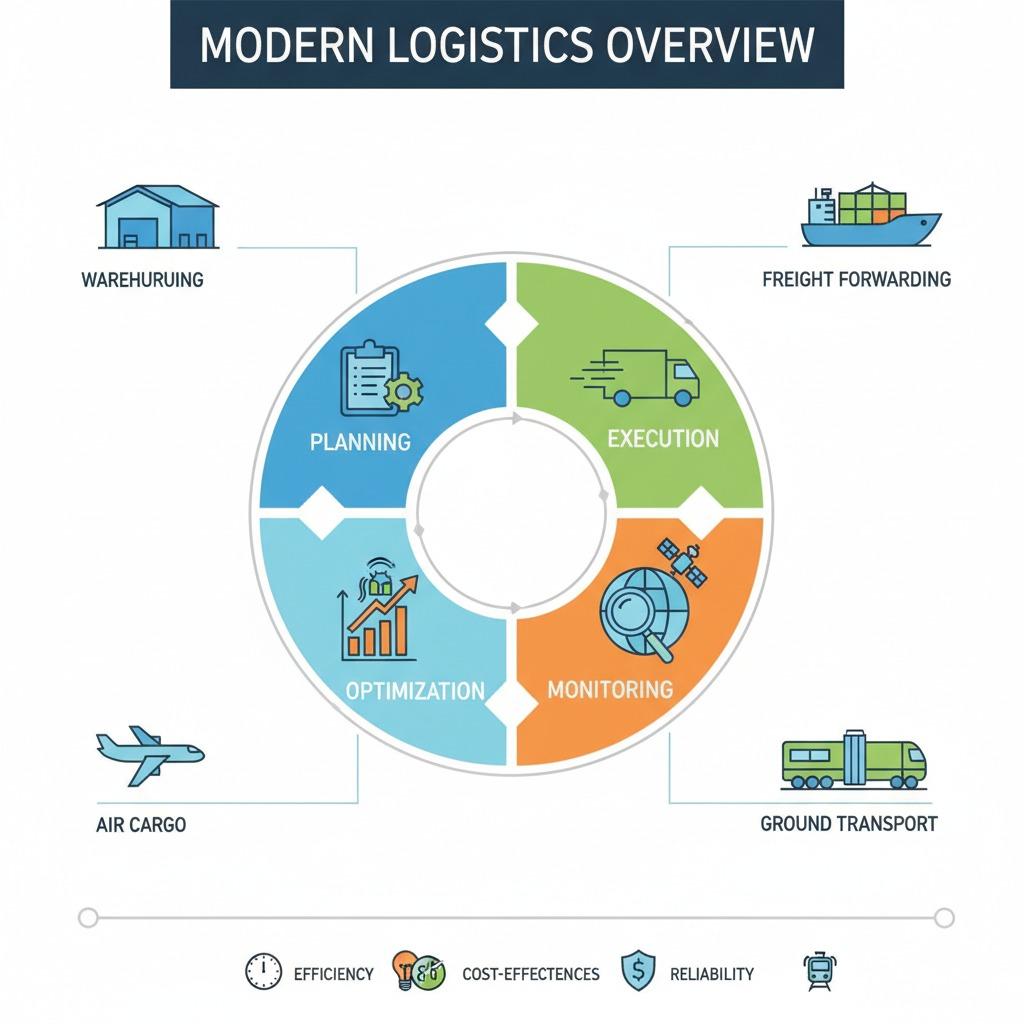
Logistics forms the backbone of efficient transportation and supply chain management, ensuring that goods move seamlessly from origin to destination. In today's fast-paced world, logistics encompasses everything from planning and execution to monitoring and optimization. This critical field integrates technology and human expertise to minimize delays and costs while maximizing reliability. As global trade expands, effective logistics becomes indispensable for businesses aiming to thrive in competitive markets.
The Role of Aviation Logistics in Airport Operations
In aviation, logistics plays a pivotal role through ground support systems that streamline airport operations. Cutting-edge aircraft docking systems, equipped with modern jet bridges, enable swift passenger boarding and enhance comfort. Specialized vehicles, such as fuel trucks with advanced monitoring for precise delivery and safety, work alongside luggage handling equipment like robust baggage carts and conveyor systems. These reduce loading times and boost efficiency. High-visibility workwear for ground staff further ensures coordinated, safe movements, transforming airport logistics into a model of innovation. For small and large airports alike, such integrated systems represent a leap in operational excellence, supporting seamless air travel.
Advancements in Airliner Design and Logistics Integration
Logistics in aviation extends to the aircraft themselves, where design innovations contribute to overall efficiency. Sleek fuselages minimize air resistance, promoting fuel economy and reducing environmental impact. Dual jet engines provide superior propulsion with optimized efficiency, quieter operations, and lower noise pollution. State-of-the-art avionics in spacious cockpits offer pilots precise navigation and control, ensuring safe flights. Inside, advanced climate control and spacious layouts prioritize passenger comfort, making long journeys more enjoyable. These features not only enhance logistics by improving turnaround times but also align with sustainability goals, proving how logistics drives the future of air travel.
Revolutionizing Ground Freight with Cutting-Edge Trucks
On the roads, logistics shines through heavy-duty freight trucks engineered for demanding shipping needs. These vehicles boast powerful engines that balance high performance with fuel efficiency, cutting operational costs and emissions. With exceptional load capacities, they handle large containers from brands like COSCO and CAPITAL, ideal for transcontinental hauls. Aerodynamic designs reduce wind resistance, enhancing speed and savings without sacrificing durability. Safety is paramount, with real-time GPS tracking, collision avoidance, and lane assistance ensuring secure journeys. Customizable branding and compatibility with smart fleet systems allow logistics companies to track inventory and deliver on time. These trucks are game-changers for industries like manufacturing and e-commerce, blending durability and technology to redefine reliable transportation.
The Broader Impact of Logistics on Global Supply Chains
Effective logistics interconnects aviation and road transport, creating robust global supply chains. By integrating advanced technologies across modes, businesses achieve greater visibility and control over shipments. Statistics show that optimized logistics can reduce costs by up to 15% and improve delivery accuracy to 99%, according to industry reports from organizations like the International Air Transport Association. This efficiency supports economic growth, enabling faster market responses and reduced waste. As e-commerce surges, logistics innovations ensure that even remote areas benefit from timely goods delivery. Ultimately, mastering logistics not only streamlines operations but also fosters sustainable practices, positioning companies at the forefront of a connected world.





