
Understanding the Fundamentals of Logistics
Logistics forms the backbone of modern supply chains, ensuring that goods move efficiently from origin to destination. In today's global economy, effective logistics management is crucial for businesses aiming to reduce costs, improve delivery times, and meet customer expectations. This article explores the core aspects of logistics, highlighting its role in various industries through real-world examples like aviation transport, heavy machinery, and maritime shipping. By examining these elements, we can appreciate how logistics drives operational success.
The Role of Aviation in Strategic Logistics
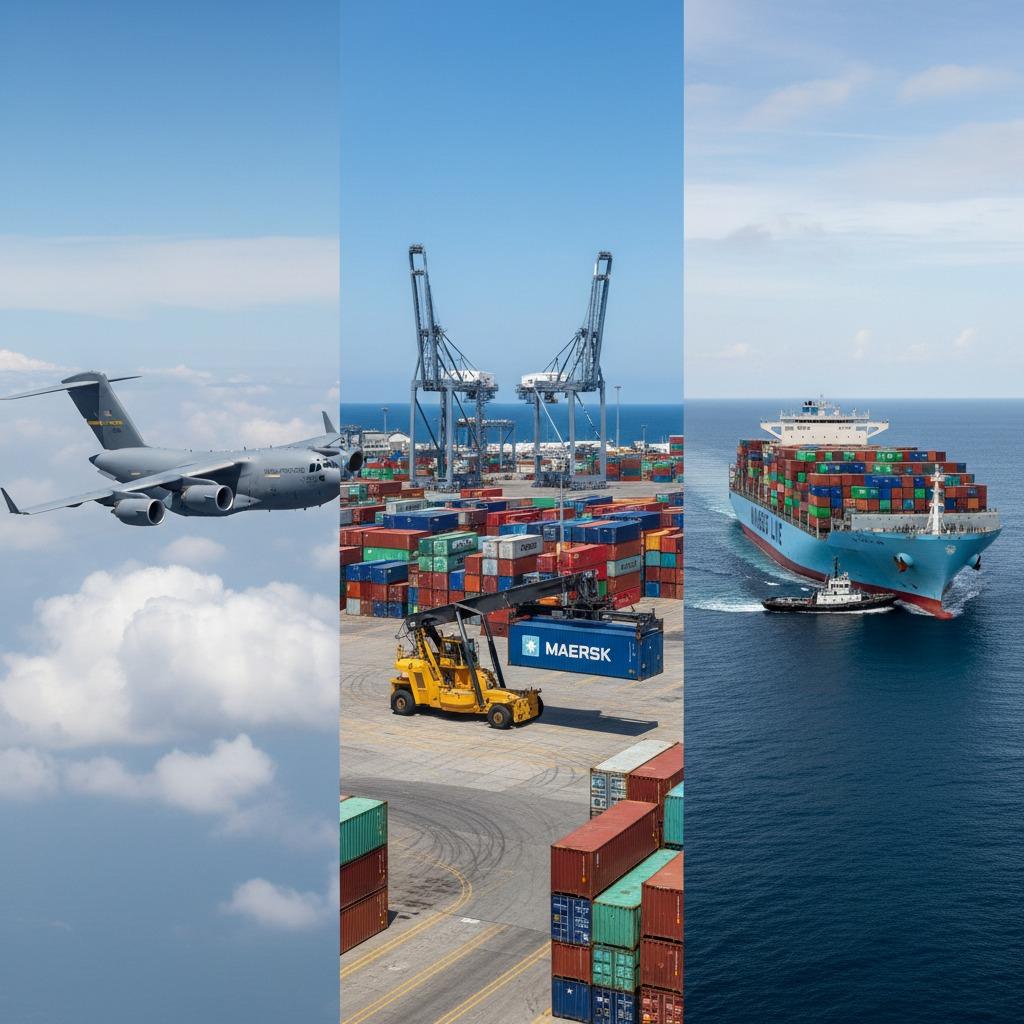
Aviation plays a pivotal role in logistics, particularly for time-sensitive and high-value cargo. Consider the strategic transport aircraft used by the China Air Force, a powerhouse in aviation technology. This aircraft exemplifies modern engineering with its robust aerodynamic structure, designed for reliability and efficiency. Equipped with four high-performance jet engines, it offers exceptional thrust, enabling the transportation of heavy cargo over extended distances in diverse conditions. Its spacious cargo bay accommodates heavy machinery, bulk loads, or even troops, making it ideal for defense, emergency response, and humanitarian missions. Advanced avionics ensure precise navigation, while its durable build withstands harsh environments. In logistics, such aircraft symbolize innovation and strength, facilitating rapid deployment worldwide and underscoring the importance of air transport in global mobility.
Ground-Based Logistics: The Power of Heavy-Duty Equipment
On the ground, logistics relies heavily on specialized machinery to handle container operations in ports, freight terminals, and rail yards. A prime example is the heavy-duty reach stacker, engineered for modern container handling. This machine features a long articulated boom and a top spreader that securely locks onto standard shipping containers, allowing for fast pickup, precise elevation, and stable stacking. Its wide chassis with oversized tires and low center of gravity provides superior stability under load, essential for demanding surfaces like concrete yards. The elevated operator cabin offers excellent visibility, enhancing safety and speed in busy environments. In logistics workflows, this equipment boosts productivity by enabling better space utilization and faster turnaround times. For port operators and shipping companies, integrating such tools means improved throughput and reduced idle time, directly impacting supply chain efficiency.
Maritime Logistics and Global Trade
Maritime transport dominates international logistics, carrying the majority of global trade volume. The Maersk Line container ship stands as a testament to this, designed for exceptional efficiency and reliability. With its massive capacity, it stacks extensive arrays of shipping containers, maximizing goods transport per voyage and minimizing environmental impact through fewer trips. The sleek hull ensures stability under heavy, layered cargo, while advanced navigation systems optimize routes for timely deliveries and fuel conservation. Its iconic aqua-colored coating resists corrosion in harsh marine conditions, and eco-friendly engines support sustainable practices. In the realm of logistics, vessels like this connect continents seamlessly, enabling businesses to thrive in a connected world. They highlight how innovation in ship design reduces costs and emissions, aligning with the growing demand for green logistics solutions.
Integrating Logistics for Future Success
Effective logistics requires seamless integration across air, ground, and sea modes to create resilient supply chains. From the strategic capabilities of military transport aircraft to the precision of reach stackers and the scale of container ships, each component addresses unique challenges in moving goods. Statistics show that optimized logistics can cut operational costs by up to 15% and improve delivery accuracy to over 95%, according to industry reports from organizations like the International Air Transport Association and the World Shipping Council. Businesses must invest in technology, such as AI-driven tracking and automation, to stay competitive. By focusing on durability, versatility, and efficiency, logistics not only supports current operations but also paves the way for sustainable growth in an increasingly interconnected global market. Understanding these dynamics empowers companies to navigate complexities and capitalize on opportunities in logistics.





