
Understanding Logistics in Modern Global Trade
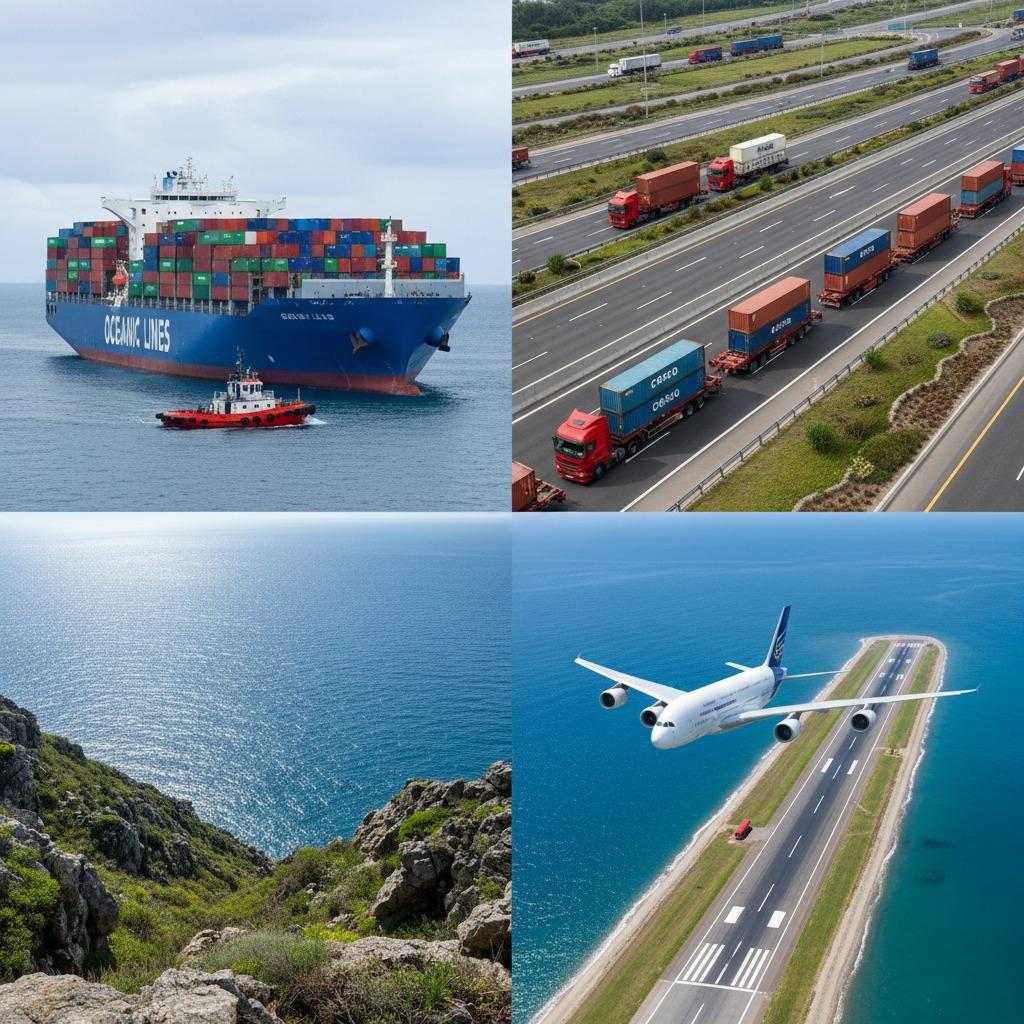
Logistics forms the backbone of global trade, ensuring that goods move efficiently from production to consumption across vast distances. It encompasses the planning, implementation, and control of the flow of goods, services, and information. In today's interconnected world, effective logistics is crucial for businesses aiming to stay competitive, reduce costs, and meet customer demands promptly. From maritime routes to air freight and road transport, logistics integrates various modes to create seamless supply chains.
The Role of Maritime Giants in Logistics
In the realm of logistics, vessels like the Maersk Mc-Kinney Møller exemplify the pinnacle of maritime innovation. This Triple-E class container ship, one of the largest in its category, boasts an enormous capacity that revolutionizes ocean freight. With its Maersk blue hull and stacked containers, it symbolizes efficiency in global shipping. Designed for sustainability, the ship optimizes fuel consumption and significantly reduces emissions, making it a leader in eco-friendly logistics. Its advanced engineering ensures stability in rough seas, allowing for reliable transport of diverse cargo loads. Such vessels handle billions of tons of goods annually, underscoring logistics' vital role in international commerce. By integrating cutting-edge technology for navigation and operations, ships like this drive towards more sustainable shipping solutions, minimizing environmental impact while maximizing throughput.
Revolutionizing Logistics with Advanced Freight Trucks
On land, logistics relies heavily on high-performance freight trucks that bridge the gap between ports and final destinations. These robust vehicles, equipped with aerodynamic designs, enhance fuel efficiency and reduce carbon footprints, aligning with modern sustainability goals. Featuring real-time tracking and diagnostic systems, they provide unparalleled visibility into shipment status, ensuring timely deliveries. Brands like COSCO and CAPITAL inspire the versatile containers used, accommodating everything from heavy machinery to fragile items. Engineered for durability with state-of-the-art suspension, these trucks navigate urban and rural terrains effortlessly, promising safety and speed. In logistics, such innovations cut down transit times and operational costs, enabling companies to scale their operations globally. The integration of smart technologies further optimizes routes, reducing idle times and improving overall supply chain resilience.
Aviation's Contribution to Swift Logistics
Air logistics, powered by aircraft like the Airbus A380, offers speed unmatched by other modes, ideal for time-sensitive shipments. This marvel of aviation accommodates up to 853 passengers in economy or luxurious first-class setups, but its cargo capabilities are equally impressive for freight variants. With four powerful engines and innovative aerodynamics, the A380 achieves fuel efficiency on long-haul flights, extending its range across continents. Its spacious design and advanced safety technologies ensure secure transport of high-value goods, from electronics to perishables. In the broader context of logistics, air transport complements sea and road methods, providing end-to-end solutions that accelerate global trade. Statistics show that air freight handles about 1% of world trade volume but 35% of the value, highlighting its efficiency for urgent deliveries. As logistics evolves, aviation continues to push boundaries, incorporating automation for faster loading and greener practices to lower emissions.
The Future of Integrated Logistics Solutions
Looking ahead, logistics is poised for transformation through digitalization and multimodal integration. Combining insights from sea, land, and air transport creates robust networks that adapt to disruptions like weather or geopolitical events. Technologies such as AI-driven forecasting and blockchain for tracking enhance transparency and trust in supply chains. Companies investing in logistics see up to 15% cost reductions and improved customer satisfaction, according to industry reports. Sustainability remains key, with vessels, trucks, and planes adopting electric and hybrid systems to meet global environmental standards. Ultimately, mastering logistics not only streamlines operations but also fosters economic growth, connecting producers and consumers worldwide in an increasingly efficient manner.





