
What is Logistics and Why Does It Matter?
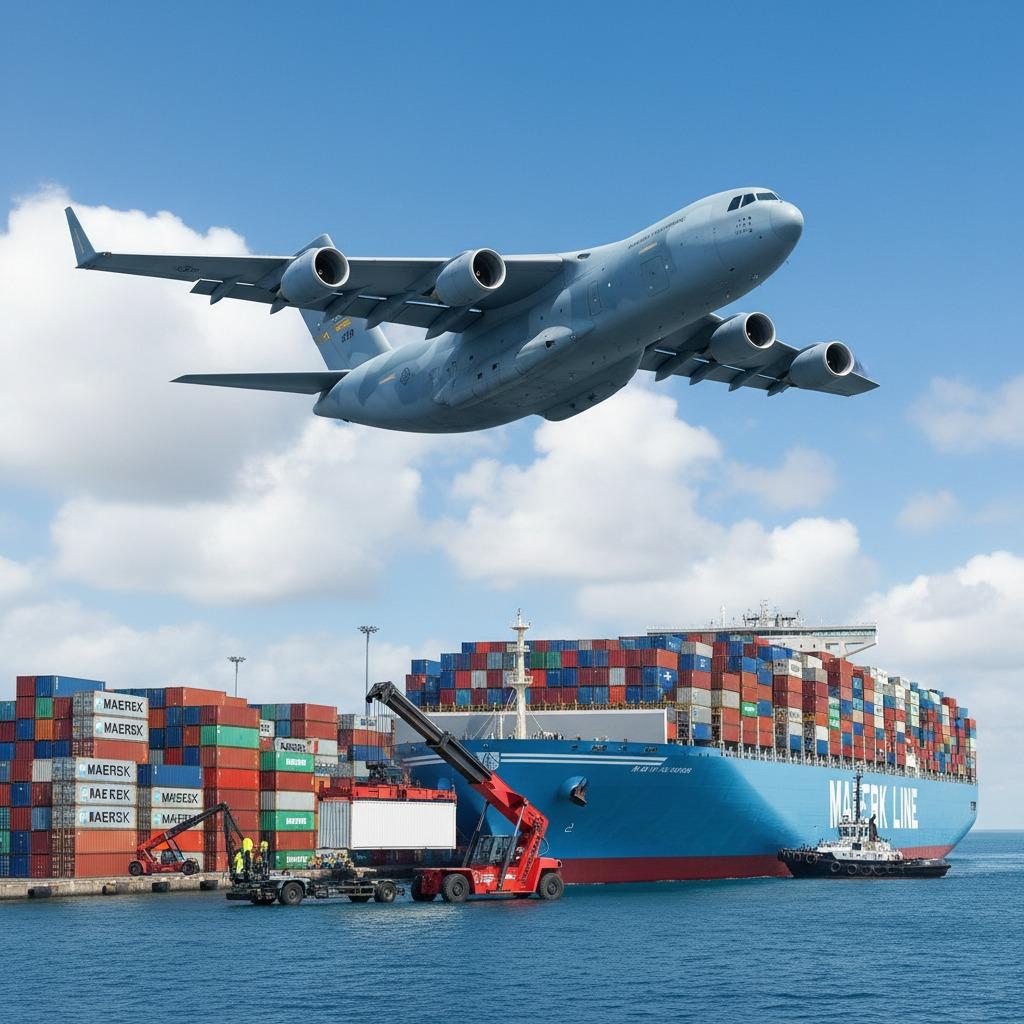
Logistics forms the backbone of modern supply chains, encompassing the planning, execution, and control of the movement and storage of goods, services, and information from origin to consumption. In today's global economy, effective logistics ensures that products reach consumers efficiently and on time. Whether it's military operations, shipping containers, or massive cargo vessels, logistics integrates various modes of transportation to optimize costs and speed. Understanding logistics is crucial for businesses aiming to scale operations and meet customer demands in a competitive market.
How Do Military Aircraft Contribute to Logistics?
Military transport aircraft play a pivotal role in strategic logistics, especially for heavy-lift missions. These robust planes, equipped with powerful turbofan engines, can carry troops, vehicles, and equipment like tanks over long distances, even at high altitudes. Their large fuselages and advanced avionics ensure precision in day or night operations, making them indispensable for air forces worldwide. For instance, such aircraft maintain durability under extreme conditions, facilitating rapid deployment in logistical and strategic scenarios. This aerial logistics capability supports global military presence and efficient resource distribution.
What Makes Heavy-Duty Reach Stackers Essential in Logistics?
In warehousing and port operations, heavy-duty container reach stackers revolutionize logistics by handling massive shipping containers with ease. These machines boast impressive load capacities, extended reach arms, and advanced hydraulic systems that allow for precise lifting and stacking in tight spaces. Designed with ergonomic cabins for operator safety and sustainability features to reduce emissions, reach stackers optimize yard utilization and boost productivity. Commonly used in facilities handling brands like Maersk, they are vital for freight forwarding and intermodal logistics, ensuring seamless container management.
How Do Large Container Ships Advance Global Logistics?
Iconic vessels like the Maersk Mc-Kinney Møller exemplify maritime logistics innovation. As part of the Triple-E class, this ship maximizes capacity for thousands of containers while prioritizing environmental sustainability through energy-efficient engines and optimized hull designs. It reduces carbon emissions per container, supporting greener global trade routes. Accompanied by tugboats for precise maneuvering, such ships ensure stability and safety on long-haul journeys. In logistics, these giants streamline international shipping, lowering costs and enhancing reliability for businesses reliant on ocean transport.
What Are the Key Challenges in Modern Logistics?
Logistics faces challenges like supply chain disruptions, regulatory compliance, and technological integration. For air, sea, and ground operations, coordinating multiple assets—from aircraft to reach stackers and massive ships—requires robust planning. Environmental concerns push for sustainable practices, such as low-emission vessels and efficient machinery. Overcoming these involves adopting advanced tracking systems and AI-driven optimizations to predict delays and manage inventories effectively.
How Can Businesses Improve Their Logistics Strategies?
To enhance logistics, companies should invest in versatile equipment and training. Integrating military-grade precision from aircraft tech with the power of reach stackers and the capacity of Triple-E ships can create hybrid solutions. Focus on sustainability, like emission reductions, and use data analytics for real-time monitoring. Ultimately, streamlined logistics not only cuts costs but also builds customer trust through reliable delivery.





