
Frequently Asked Questions About Logistics
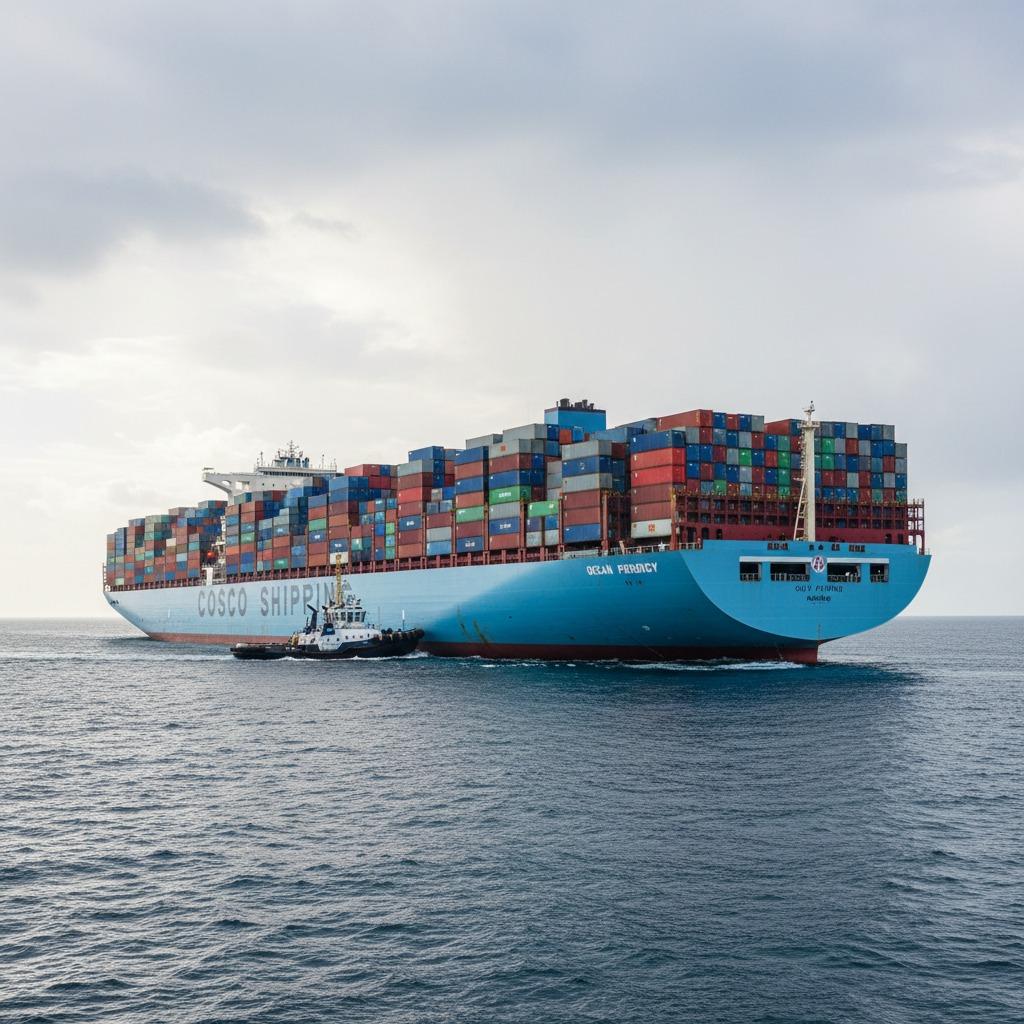
Logistics is the backbone of modern supply chains, encompassing the planning, implementation, and control of the efficient movement of goods from origin to consumption. Whether you're a business owner managing inventory or an individual curious about how products reach your doorstep, understanding logistics can optimize operations and reduce costs.
What is Logistics and Why is it Important?
Logistics refers to the detailed coordination of transportation, warehousing, and inventory management to ensure goods are delivered effectively. It plays a crucial role in global trade, enabling everything from everyday consumer items to heavy industrial equipment to move seamlessly. Without robust logistics, supply chains would falter, leading to delays, increased expenses, and unsatisfied customers. In today's interconnected world, efficient logistics supports economic growth by minimizing waste and maximizing resource utilization. For instance, advancements in logistics have allowed companies to respond quickly to market demands, such as during peak holiday seasons or unexpected global events.
How Does Logistics Work in Different Modes of Transportation?
Logistics operates across various modes, including air, sea, land, and rail, each tailored to specific needs. In air logistics, modern heavy-lift transport aircraft, like those used by advanced air forces, handle oversized cargo and urgent deliveries with precision engines and versatile designs suitable for diverse terrains. Sea logistics, on the other hand, relies on massive container ships such as the Maersk Mc-Kinney Møller, a Triple-E class vessel capable of carrying over 18,000 TEU while prioritizing eco-friendly operations to cut CO2 emissions. These ships feature innovative hull designs for optimal stacking and fuel efficiency. Land-based logistics involves heavy-duty equipment maneuvering durable shipping containers, built from reinforced steel to withstand extreme conditions and ensure secure transport of goods ranging from perishables to manufacturing materials. Integrating these modes creates a cohesive network, where real-time tracking and advanced avionics enhance coordination and reliability.
What Are the Key Components of Effective Logistics Management?
Effective logistics management hinges on several core elements: procurement, production, distribution, and returns. Procurement involves sourcing materials efficiently, while production logistics ensures smooth internal flows. Distribution focuses on timely delivery using tools like high-capacity cargo bays for rapid loading. Reverse logistics handles returns and recycling, promoting sustainability. Technologies such as GPS, AI-driven forecasting, and automated systems streamline these processes, reducing errors and downtime. For example, containers with high-grade locking systems add security, while energy-efficient designs align with environmental goals. Businesses often partner with logistics providers to leverage expertise in global connectivity, ensuring compliance with international standards and adapting to challenges like weather disruptions or regulatory changes.
How Can Businesses Improve Their Logistics Strategies?
To enhance logistics, companies should adopt digital tools for visibility, such as IoT sensors for real-time monitoring. Optimizing routes with data analytics cuts fuel costs and emissions, much like the slower-speed configurations on advanced ships that balance speed and economy. Training staff on best practices and investing in durable equipment, like reinforced containers, minimizes risks. Sustainability is key—choosing eco-friendly options reduces the environmental footprint without compromising performance. Collaborating with reliable partners ensures scalability, whether for military-grade precision in air transport or high-volume sea freight. Regularly auditing operations identifies bottlenecks, allowing for agile adjustments that boost overall efficiency.
What Challenges Do Logistics Face Today and How to Overcome Them?
Contemporary logistics grapples with issues like geopolitical tensions, supply shortages, and climate impacts. Global events can disrupt routes, increasing costs and delays. To counter this, diversification—using multiple transport modes—builds resilience. Advanced forecasting tools predict disruptions, enabling proactive planning. Cybersecurity protects digital logistics networks from threats, while investing in green technologies addresses environmental concerns. For instance, vessels designed for lower emissions per container set benchmarks for sustainable practices. By fostering innovation and international cooperation, the logistics sector can navigate these hurdles, ensuring reliable delivery in an ever-evolving landscape.





