
Understanding Modern Logistics: The Backbone of Global Trade
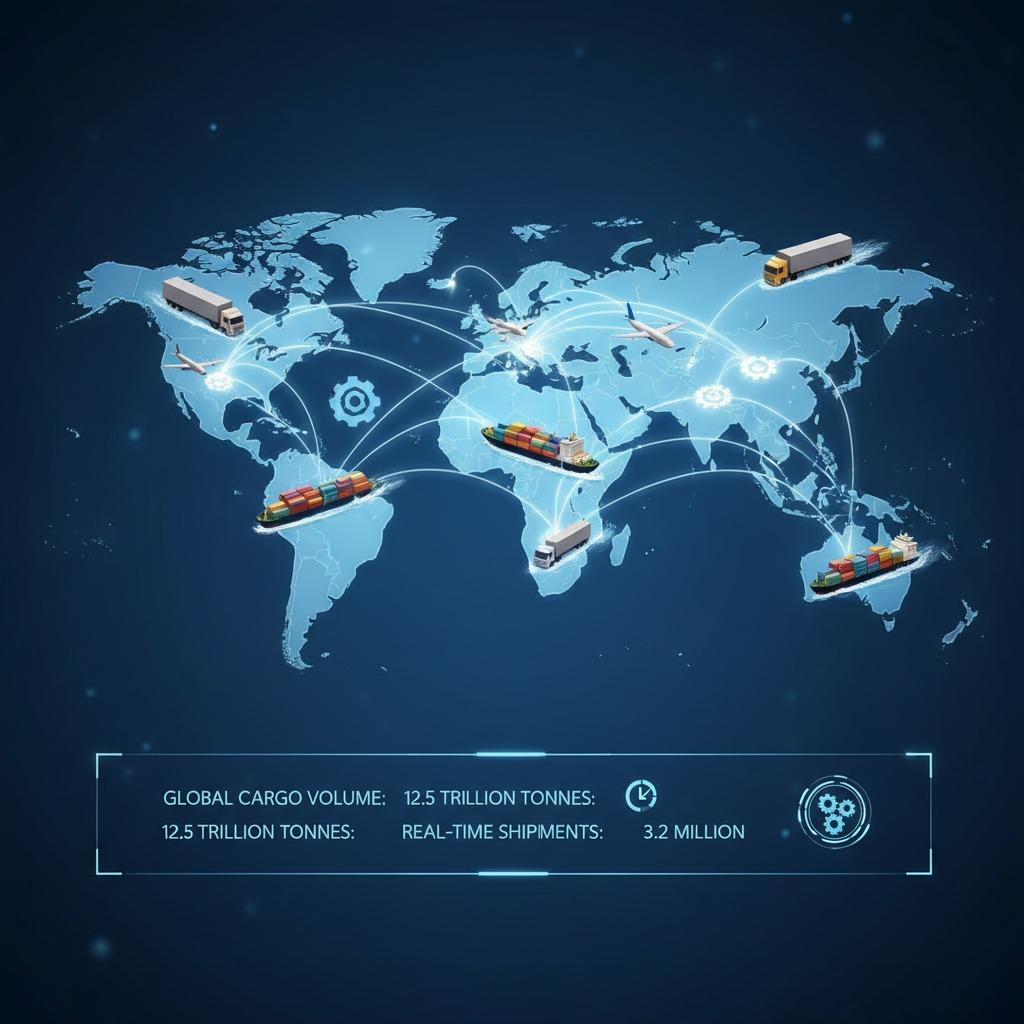
Logistics forms the essential framework that powers the movement of goods and services across the world, ensuring that everything from raw materials to finished products reaches their destinations efficiently. In today's interconnected economy, logistics encompasses a wide array of processes, including transportation, warehousing, inventory management, and supply chain coordination. At its core, effective logistics relies on integrating advanced technologies and strategic planning to minimize delays, reduce costs, and enhance reliability. For industries reliant on timely delivery, mastering logistics is not just an operational necessity but a competitive advantage that drives growth and customer satisfaction.
Aviation's Role in Streamlining Logistics
When it comes to air-based logistics, aircraft represent the pinnacle of speed and precision in global transport. Consider a modern aircraft designed with aerodynamic excellence, featuring a streamlined fuselage that significantly reduces drag and boosts fuel efficiency for long-haul flights. This engineering marvel, often painted in bold blue and red hues symbolizing innovation and reliability, is equipped with high-performance jet engines that minimize noise while delivering optimal power. The spacious cabin ensures cargo or passenger logistics can be handled with care, incorporating state-of-the-art amenities and safety features like enhanced radar sensors and reinforced structures. Moreover, eco-friendly operations through sustainable fuel technologies make these aircraft vital for environmentally conscious logistics networks, allowing companies to transport perishable goods or urgent shipments across continents without compromising on green standards. In logistics, such aviation assets enable just-in-time delivery models, where timing is critical for supply chains in sectors like e-commerce and pharmaceuticals.
Maritime Ports: The Heart of Efficient Logistics Infrastructure
Maritime logistics thrives in bustling ports that serve as gateways for international trade, where massive cargo ships dock amid stacks of neatly organized shipping containers. These facilities exemplify sophisticated engineering, with powerful cranes positioned for seamless loading and unloading operations. The waterfront location provides direct access to global shipping routes, facilitating the flow of goods between continents and supporting economic expansion for countless industries. Cutting-edge technologies, such as digital tracking systems and automated machinery, are integrated to ensure accuracy, efficiency, and safety in every transaction. In this domain of logistics, ports act as critical arteries, processing millions of tons of cargo annually while adapting to fluctuating demands through real-time data analytics and AI-driven forecasting. For businesses, leveraging these port infrastructures means reduced transit times and lower logistical costs, ultimately enhancing profitability in a competitive market.
Advanced Harbor Vessels Enhancing Logistics Operations
In the realm of maritime logistics, multi-role harbor tug vessels play a pivotal role in managing heavy-duty port activities with unmatched maneuverability and power. These robust ships feature dynamic hull designs that allow precise navigation in confined harbor spaces, delivering substantial pulling and thrusting capabilities essential for towing large vessels or assisting in docking procedures. Equipped with state-of-the-art hydraulic systems and advanced towing mechanisms, they minimize operational risks and boost productivity during peak hours. The integration of high-speed auxiliary components and safety functions ensures reliability around the clock, as seen in their readiness under twilight conditions with ambient lighting. Compatible with onsite storage solutions like compact shipping containers, these tugs facilitate seamless logistics workflows, from cargo repositioning to emergency responses. By incorporating such innovative vessels, port operators can optimize resource allocation, reduce downtime, and maintain the fluid movement of goods that defines successful logistics strategies.
Integrating Technologies for Future-Proof Logistics
Looking ahead, the evolution of logistics demands a holistic approach that combines aviation, maritime, and ground operations through digital ecosystems. Blockchain for transparent tracking, IoT sensors for real-time monitoring, and AI algorithms for predictive analytics are transforming how logistics professionals anticipate and resolve bottlenecks. For instance, in aviation logistics, these technologies enable dynamic routing that accounts for weather and fuel optimization, while in ports, they automate crane operations to handle increased volumes with precision. Harbor tugs benefit from GPS-integrated systems that enhance coordination with shore-based teams, ensuring synchronized efforts in complex environments. As global trade volumes rise, companies investing in these integrated logistics solutions not only achieve operational excellence but also build resilient supply chains capable of withstanding disruptions like geopolitical shifts or natural events. Ultimately, the synergy of human expertise and technological innovation in logistics will continue to propel industries forward, fostering a more connected and efficient world economy.





