
Understanding the Dynamics of Global Logistics
In the fast-paced world of international trade, logistics stands as the backbone that ensures goods move efficiently from origin to destination. Effective logistics management is crucial for businesses aiming to stay competitive, reducing costs and enhancing customer satisfaction. This article explores the intricacies of logistics, highlighting key components and innovations that drive modern supply chains.
The Role of Maritime Logistics in Global Trade
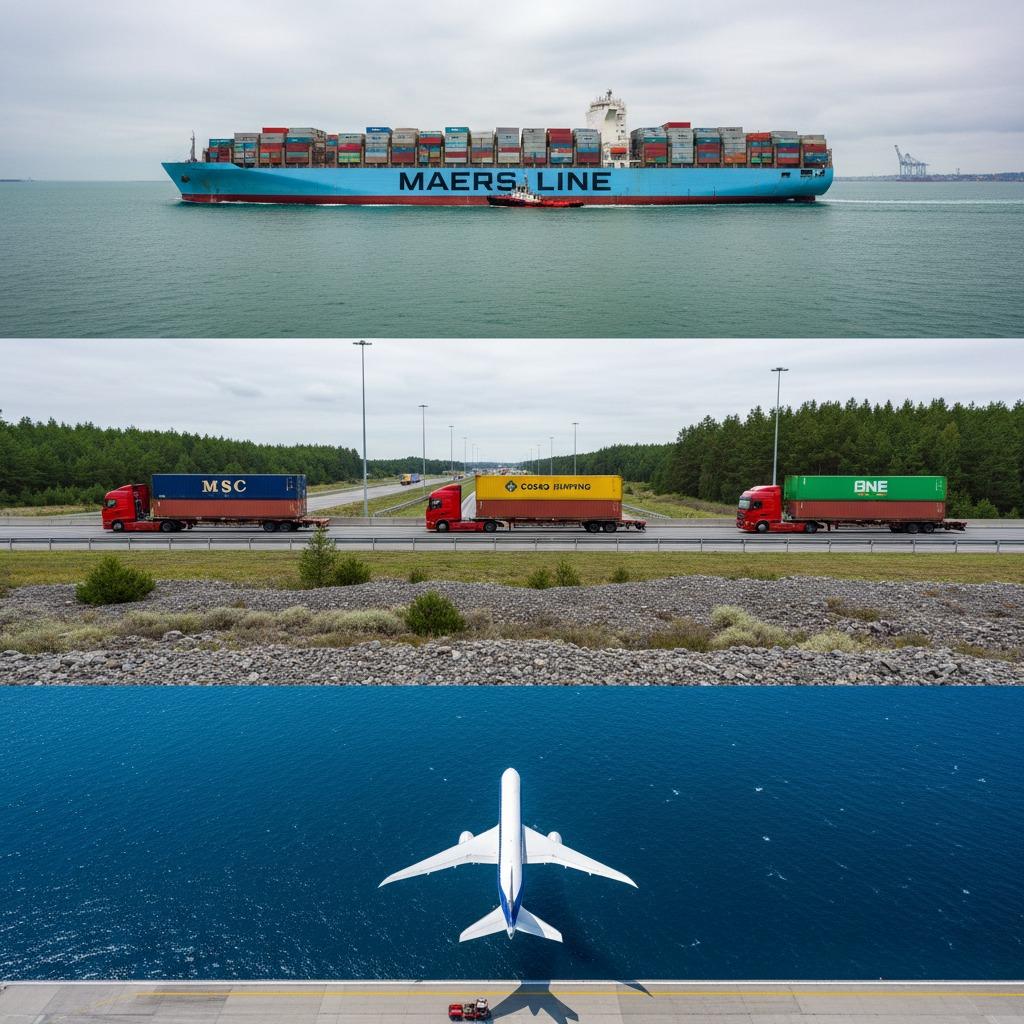
Logistics in the maritime sector has revolutionized how cargo is transported across oceans. Consider the Maersk Line container ship, an engineering marvel with vast capacity for thousands of TEU (Twenty-foot Equivalent Units). This vessel exemplifies cutting-edge technology, featuring robust structures and advanced navigation systems that minimize environmental impact while ensuring timely deliveries. Such ships handle the bulk of global trade, carrying everything from electronics to raw materials. By optimizing routes and fuel efficiency, maritime logistics reduces operational costs and supports sustainable practices. Companies relying on sea freight benefit from its scalability, making it ideal for high-volume shipments that span continents.
Overland Logistics: The Power of Container Trucks
Shifting focus to terrestrial transport, logistics via container trucks plays a pivotal role in connecting ports to inland destinations. These powerful fleets, equipped with robust engines and advanced suspension systems, navigate highways with heavy loads, ensuring safe and punctual deliveries. Branded containers from leaders like COSCO and CAPITAL are designed to withstand diverse weather conditions, protecting goods throughout the journey. Aerodynamic designs on these trucks enhance fuel efficiency, lowering emissions and operational expenses. In logistics, the integration of GPS tracking and real-time monitoring allows for proactive issue resolution, streamlining the supply chain. For businesses, this means faster turnaround times and reliable service, critical in meeting e-commerce demands.
Aerial Logistics: Revolutionizing Speed with Aviation
When urgency is paramount, aerial logistics offers unmatched speed and reach. The Airbus A380, with its impressive two-deck configuration accommodating up to 800 passengers or cargo equivalents, represents the pinnacle of aviation innovation. Advanced aerodynamics and powerful engines ensure efficient transcontinental flights, minimizing environmental footprint while delivering high-value items swiftly. In logistics contexts, air freight is indispensable for perishable goods, pharmaceuticals, and time-sensitive electronics. The aircraft's state-of-the-art amenities extend to cargo holds, maintaining optimal conditions during transit. As global markets demand rapid response, aerial logistics bridges gaps that other modes cannot, fostering just-in-time inventory systems that boost efficiency.
Integrating Multimodal Logistics for Optimal Efficiency
True mastery in logistics involves seamless integration across modes—maritime, overland, and aerial—to create a multimodal network. This approach allows businesses to leverage the strengths of each: volume capacity at sea, flexibility on roads, and speed in the air. Technologies like IoT sensors and AI-driven analytics predict disruptions, optimize routing, and enhance visibility throughout the chain. For instance, a shipment might start on a Maersk vessel, transfer to container trucks for inland distribution, and conclude with an Airbus A380 for final urgent delivery. Such synergy not only cuts costs but also improves resilience against global challenges like pandemics or geopolitical tensions. In today's interconnected economy, robust logistics strategies are essential for growth and adaptability.
Future Trends Shaping Logistics Evolution
Looking ahead, logistics is poised for transformation through emerging technologies. Automation in warehouses, drone deliveries, and blockchain for transparent tracking are set to redefine operations. Sustainability remains a core focus, with electric trucks and low-emission ships gaining traction. Data analytics will further personalize logistics solutions, tailoring them to specific industry needs. As e-commerce surges, logistics must scale to handle increased volumes without compromising speed or reliability. Embracing these trends ensures that logistics not only meets current demands but anticipates future ones, driving economic progress worldwide.
In summary, logistics is the invisible force powering global commerce, from massive container ships to agile aircraft. By understanding and optimizing these elements, businesses can thrive in an increasingly complex marketplace.





