
What is Logistics and Why Does It Matter?
Logistics is the backbone of modern supply chains, encompassing the planning, implementation, and control of the efficient movement and storage of goods, services, and information from origin to consumption. In today's global economy, logistics ensures that products reach consumers seamlessly, whether through air, sea, or land transport. For businesses, effective logistics means reduced costs, faster delivery times, and satisfied customers. This article addresses frequently asked questions about logistics, drawing on real-world examples like heavy-lift aircraft, container reach stackers, and massive container ships to illustrate its critical role.
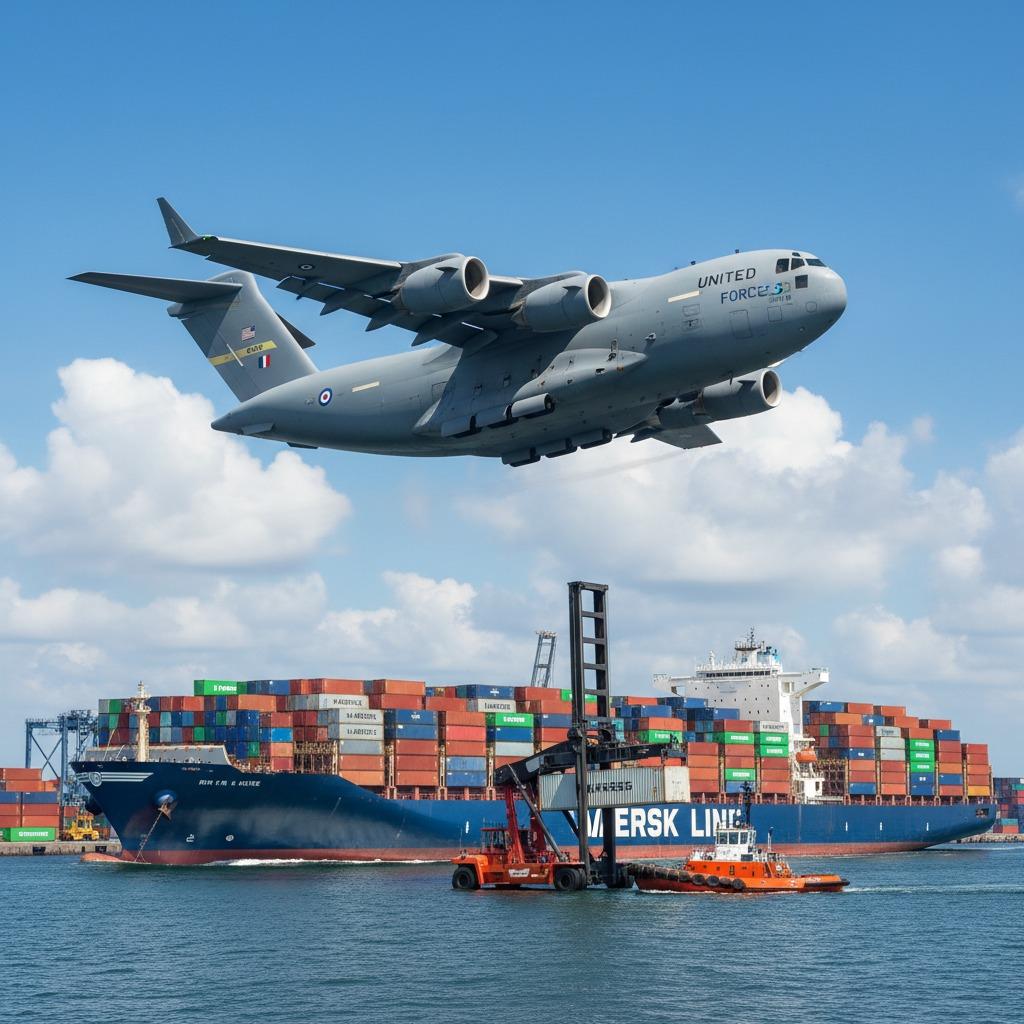
How Do Aircraft Contribute to Logistics Operations?
One common question in logistics is how aircraft handle strategic transport needs. High-performance heavy-lift transport aircraft, such as those used by the China Air Force, are engineered for military and logistical missions, equipped with four robust engines for exceptional thrust and reliability. These aerial giants can carry heavy military vehicles, equipment, and supplies over long distances without frequent refueling, making them ideal for remote deployments or emergency resource delivery. Their advanced aerodynamics and spacious internal cavity support versatility, from troop movements to medical evacuations. In logistics, such aircraft symbolize innovation and self-reliance, ensuring timely delivery in challenging conditions. Operators often ask about range and endurance; these planes excel in long-haul flights, enhancing global connectivity and operational efficiency.
What Role Do Container Reach Stackers Play in Ground-Based Logistics?
In port and freight yard logistics, a frequent inquiry is about equipment for handling containers efficiently. Container reach stackers are precision machines designed for modern ports and intermodal hubs, featuring a telescopic boom and spreader system that locks onto standard container corner castings for safe lifting and stacking. With bold red chassis and large heavy-duty tires, these stackers offer mobility and stability, allowing quick movements between lanes to reduce turnaround times and maximize yard productivity. They handle full-size shipping containers like those from Maersk with remarkable precision, minimizing sway and improving cargo safety. For logistics managers, the key benefit is increased throughput—stackers enable higher stacking density and faster loading cycles, crucial for high-volume operations. Ergonomic cabins provide excellent visibility, ensuring safe and confident handling in busy environments.
How Do Container Ships Drive Global Logistics?
A top question for international trade enthusiasts is the impact of container ships on logistics. Vessels like the Maersk Line container ship are behemoths of efficiency, transporting thousands of containers across oceans with massive capacity and state-of-the-art engineering. Their deep draft and immense size allow navigation of vast seas under tough weather, supported by eco-friendly technologies such as ultra-low sulfur fuels to cut carbon footprints. The signature blue hull not only aids visibility but also brands these ships as icons of sustainable global commerce. Tugboats assist in docking, highlighting the teamwork in maritime logistics. These ships connect continents, facilitating economic growth by efficiently moving goods. In logistics planning, their multi-level stacking ensures structural balance and maximized storage, answering queries on how sea transport scales for worldwide supply chains.
What Are the Challenges in Integrating Different Logistics Modes?
Integrating air, ground, and sea logistics often raises questions about challenges and solutions. Seamless coordination is essential; for instance, aircraft deliver urgent cargo to ports where reach stackers transfer it to container ships for ocean voyages. Common issues include weather disruptions, regulatory compliance, and technology integration, but advancements like avionics in planes and automated systems in stackers mitigate these. Logistics professionals frequently ask about cost optimization—combining modes reduces expenses while boosting speed. Sustainability is another focus; eco-friendly features in ships and efficient engines in aircraft lower environmental impact. Ultimately, robust logistics strategies that blend these elements ensure resilient supply chains, adapting to global demands.
How Can Businesses Improve Their Logistics Efficiency?
Businesses often seek advice on enhancing logistics performance. Start by adopting multifunctional equipment like versatile aircraft and agile stackers to handle diverse needs. Invest in real-time tracking via modern avionics and visibility-focused designs to minimize delays. Training operators for precise container handling and understanding ship capacities can streamline operations. For global reach, prioritize partnerships with reliable carriers like Maersk for sustainable sea transport. Finally, analyze data from all modes to forecast and optimize routes, cutting costs and emissions. Effective logistics isn't just about movement—it's about strategic planning that drives competitiveness in a connected world.





