
What is General Average, and how far is it from us?
Maritime transport is not always smooth sailing, and it involves various risks and challenges. Have you heard of General Average?
General Average is an important concept in maritime transport, referring to the principle that when a ship faces an emergency and the captain takes extraordinary measures (such as jettisoning cargo, cutting cables, or opening hatches to let in water) to protect the entire ship and its cargo, the resulting loss and expenses are shared proportionally among the ship, cargo, and freight stakeholders. This mechanism ensures that the costs of necessary rescue actions in emergencies are not borne by a single party but are shared by all beneficiaries.
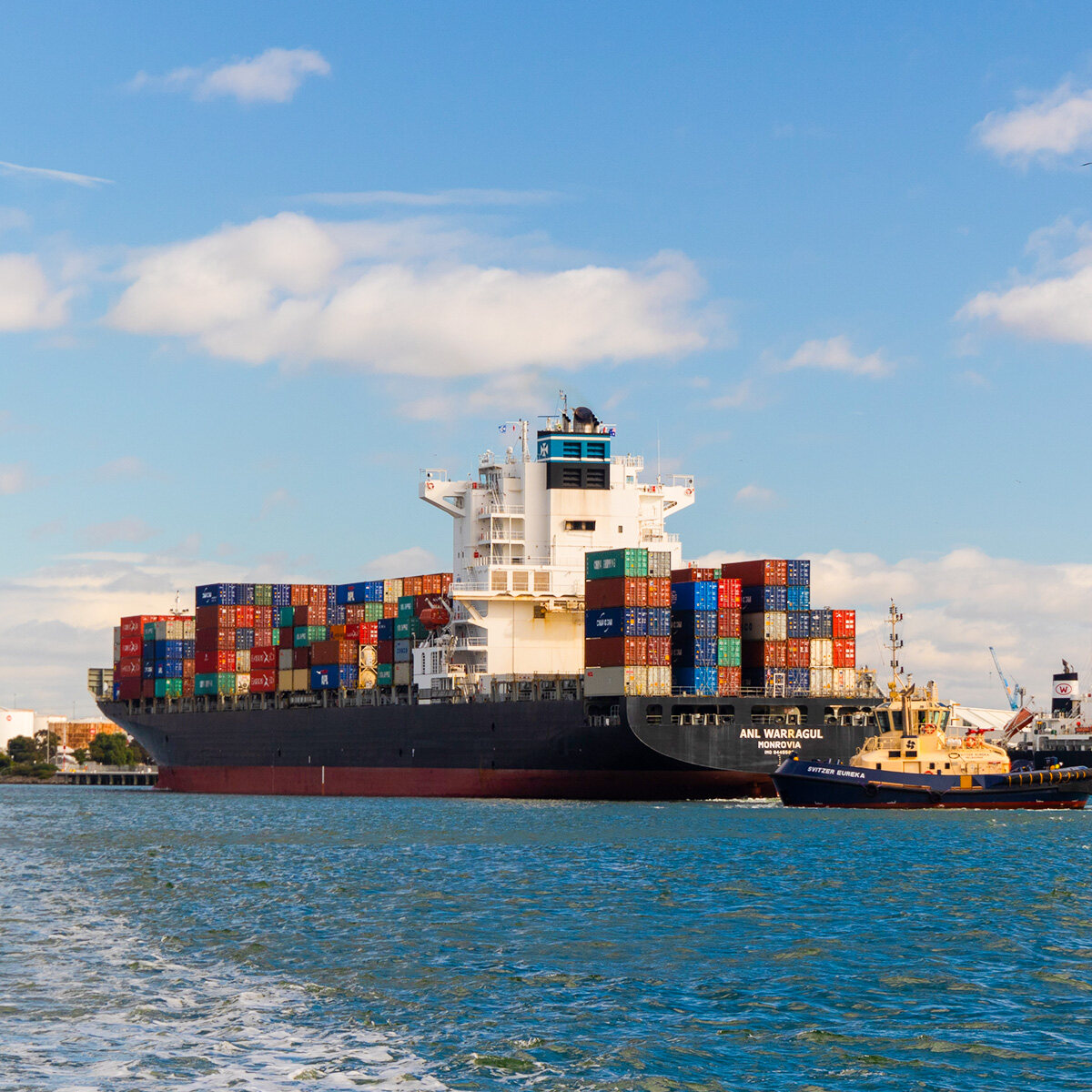
The basic principles of General Average include the following aspects:
1. Sacrifice and Expenses: The losses and expenses must be voluntarily incurred for the common safety of the ship and cargo. For example, jettisoning part of the cargo to lighten the ship and prevent sinking.
2. Common Interest: The sacrifices and expenses must be for the common interest, i.e., the safety of the ship, cargo, and freight.
3. Successful Rescue: The measures taken must be successful, meaning the ship and cargo are ultimately brought to safety.
In a General Average situation, the involved parties share the losses and expenses in proportion to their interests in the entire voyage. This apportionment is typically calculated and distributed by a professional Average Adjuster. The rules of General Average date back to ancient Greece and Rome, and modern General Average procedures usually follow the York-Antwerp Rules.
In summary, General Average is a risk-sharing mechanism in maritime transport, ensuring that the losses and expenses of necessary measures to protect the ship and cargo in emergencies are borne by all stakeholders.
How should a cargo owner respond when General Average occurs?
1. Notify the Insurance Company: Immediately inform your insurance company about the General Average event and provide relevant shipping documents and details of the loss.
2. Provide Security: Offer a cash deposit or a guarantee from the insurance company to ensure the cargo can be released at the destination port.
3. Collect Evidence: Preserve all relevant documents and evidence, such as bills of lading, invoices, packing lists, and the General Average notice. Record the condition of the damaged cargo.
4. Cooperate with the Average Adjuster: Provide necessary documents and information to the Average Adjuster, who will assess the losses and calculate the apportionment.
5. Understand the Apportionment Amount: Review the Average Adjuster’s report to confirm the amount you need to contribute.
6. Pay the Contribution: Pay your share of the General Average expenses as determined by the Average Adjuster’s report.
7. Claim Insurance: Submit a claim to your insurance company for reimbursement of your General Average contribution, providing all relevant documents and evidence.
Finally, RealHong International Logistics hopes that all your cargo arrives safely at its destination





