
5 Cutting-Edge Logistics Solutions Revolutionizing Global Trade
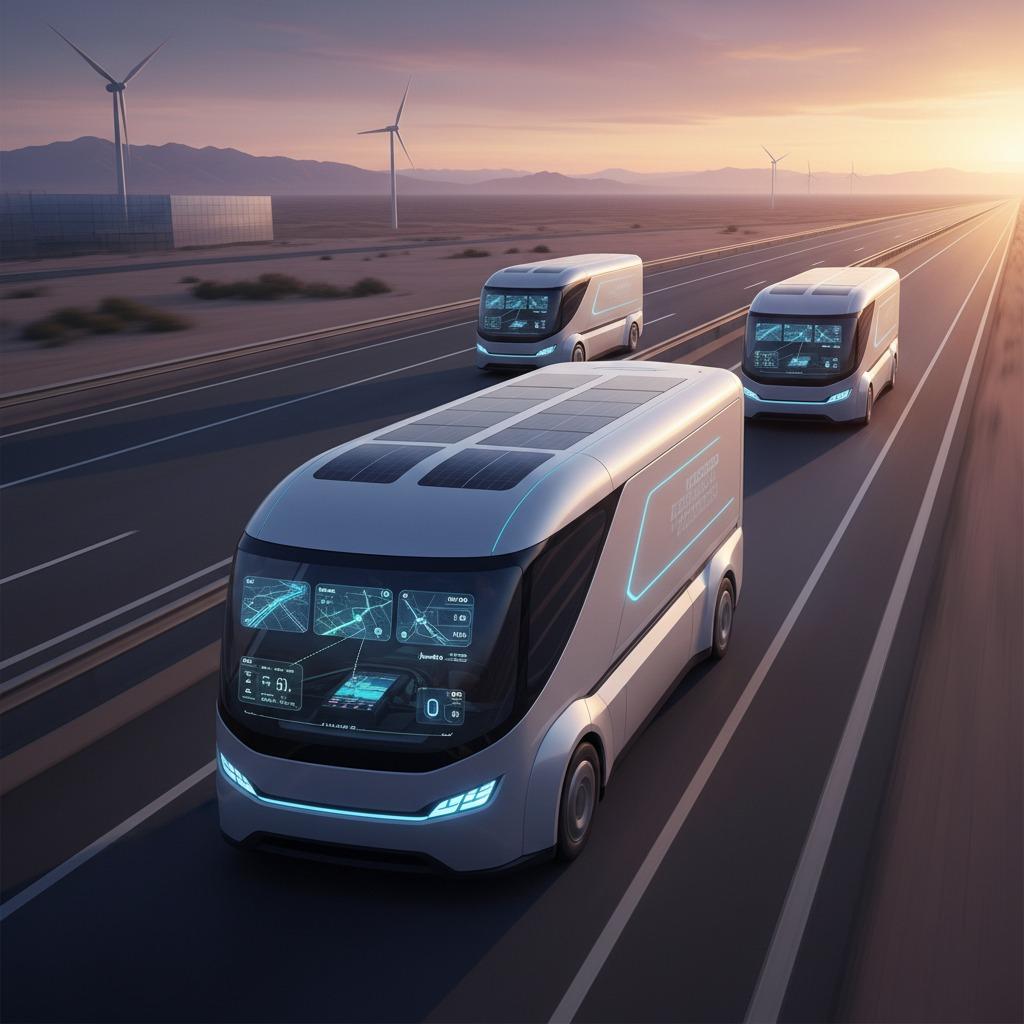
In today's fast-paced world, logistics stands as the backbone of efficient supply chains, enabling businesses to move goods seamlessly across borders. This article explores five innovative logistics solutions that are transforming the industry, from advanced trucking fleets to high-tech aircraft, all designed to enhance speed, reliability, and sustainability. Whether you're optimizing your operations or scaling up, these examples showcase the power of modern logistics.
1. Advanced Fleet of Modern Transportation Trucks
Discover the efficiency of a cutting-edge logistics solution through a fleet of sleek, durable trucks optimized for high-performance delivery. These vehicles feature aerodynamic designs that reduce wind drag, improving fuel efficiency and lowering operational costs, especially for long-haul routes. Equipped with GPS tracking, real-time analytics, and IoT sensors, this logistics network provides complete visibility over cargo, ensuring timely and secure transport. Available in various sizes, they adapt to diverse needs, from bulk shipments to temperature-controlled goods, while prioritizing environmental sustainability by minimizing emissions. This setup accelerates operations and supports eco-conscious global connectivity, making it ideal for businesses aiming to streamline their supply chains.
2. State-of-the-Art COSCO SHIPPING Cargo Vessel
Maritime logistics reaches new heights with vessels like the COSCO SHIPPING container ship, a symbol of global trade excellence. This massive ship handles immense capacities of intermodal containers, protecting everything from raw materials to finished products during oceanic voyages. Its durable structure withstands harsh conditions, while the blue-hulled design highlights reliability and engineering prowess. Integrated with sustainable practices, it connects port cities to inland hubs efficiently, often collaborating with smaller vessels for seamless port operations. In the realm of logistics, this vessel exemplifies innovation, reducing environmental impact and redefining international shipping standards for faster, greener connectivity.
3. FedEx Express Freight Aircraft for Rapid Global Delivery
Aerial logistics shines with the FedEx Express Freight Aircraft, engineered for swift, high-volume cargo transport around the clock. This robust plane accommodates heavy shipments like electronics and industrial parts, using specialized cargo nets and palettes for secure loading during takeoff and landing. Powered by advanced jet engines, its sleek fuselage ensures aerodynamic efficiency, cutting fuel use and emissions while maintaining tight schedules. Operating 24/7 under illuminated tarmacs, it guarantees punctual deliveries, reinforcing trust in global logistics networks. This aircraft bridges vast distances effortlessly, delivering essential goods with precision and consistency to every corner of the world.
4. Integrated IoT and Analytics in Logistics Management
Beyond hardware, smart logistics relies on integrated technologies like IoT sensors and data analytics to monitor shipments in real-time. These tools provide actionable insights, allowing companies to track locations, predict delays, and optimize routes dynamically. In practice, this means reduced downtime and enhanced decision-making, whether for truck fleets or sea voyages. For instance, combining GPS with analytics ensures cargo integrity, from temperature-sensitive items to high-value assets. Embracing such logistics innovations not only boosts efficiency but also cuts costs, making supply chains more resilient against disruptions like weather or demand spikes.
5. Sustainable Practices Shaping Future Logistics
Sustainability is at the core of evolving logistics, with solutions focused on lowering carbon footprints through efficient designs and alternative fuels. From aerodynamic trucks and fuel-saving aircraft to emission-minimizing ships, these advancements promote eco-friendly operations without sacrificing speed. Businesses adopting green logistics benefit from regulatory compliance, cost savings, and a positive brand image. As global trade expands, these practices ensure logistics remains viable long-term, fostering a connected world where efficiency meets environmental responsibility. By investing in such forward-thinking approaches, companies position themselves as leaders in the logistics landscape.





