
5 Innovations Revolutionizing Logistics Today
In the fast-paced world of logistics, staying ahead means embracing technologies that streamline operations and boost efficiency. Logistics has evolved from simple transportation to a sophisticated network involving land, sea, and air. This article explores five key innovations that are transforming the industry, drawing on cutting-edge solutions to meet global demands.
1. Intelligent Fleet Management System (IFMS) for Ground Transportation
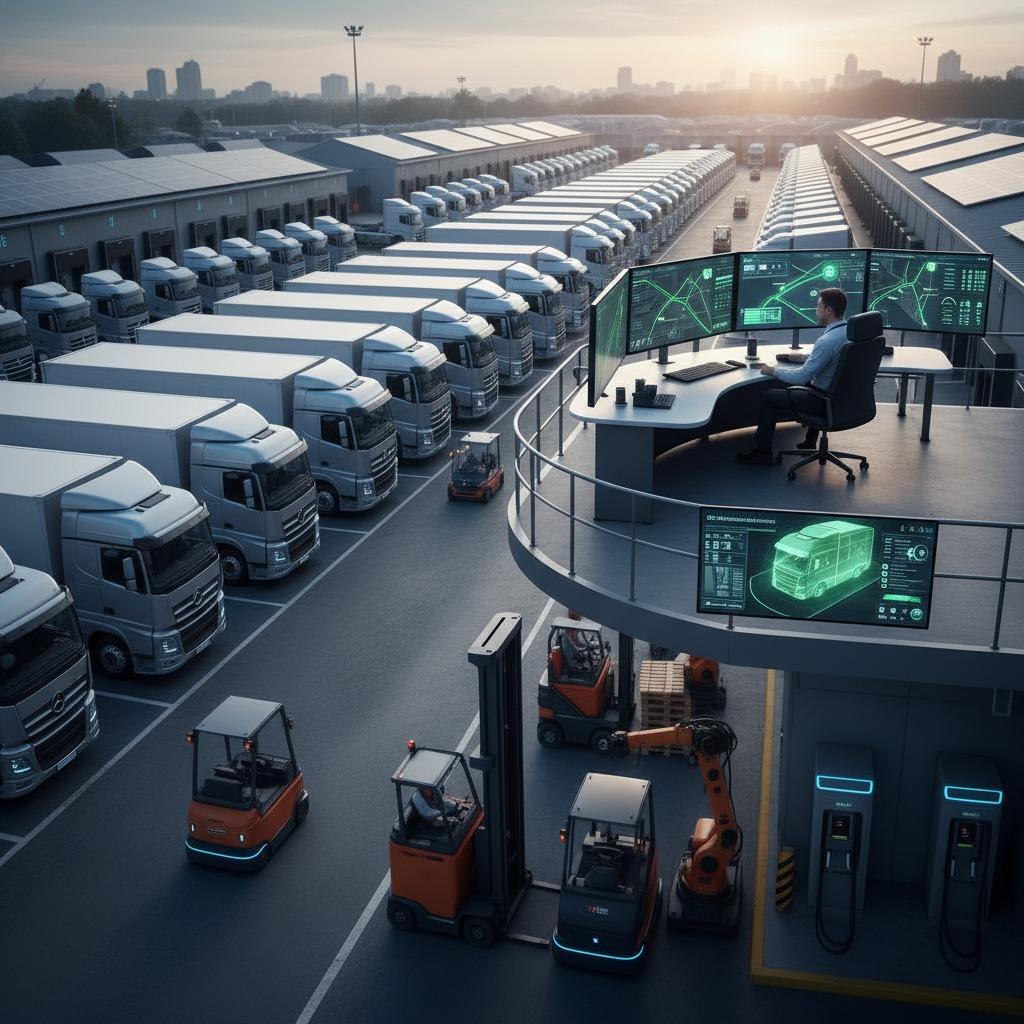
The Intelligent Fleet Management System (IFMS) is a game-changer in logistics, offering real-time oversight of commercial truck fleets. Imagine a bustling depot where trucks are meticulously arranged, each optimized for peak performance. IFMS uses intelligent route optimization to plan paths that ensure timely deliveries while cutting fuel costs. Advanced asset tracking via GPS provides complete visibility, allowing managers to monitor vehicles, cargo, and transit points effortlessly. Predictive maintenance alerts analyze truck conditions to prevent breakdowns, minimizing downtime. With an eco-friendly focus, it reduces emissions through efficient driving algorithms and less idling. Seamlessly integrating with ERP systems, IFMS delivers customizable dashboards for live monitoring. This innovation addresses large-scale transportation challenges, making logistics more reliable and sustainable for industries worldwide.
2. Advanced Cargo Vessels for Maritime Logistics
Maritime logistics relies on massive cargo vessels like those from COSCO Shipping to bridge continents and support globalization. These state-of-the-art container ships handle thousands of units stacked with diverse goods, embodying stability and scale. Precision engineering ensures reliability and speed, while bold branding on the hull highlights a commitment to global trade. Equipped with the latest navigation and cargo management systems, these vessels minimize environmental impact by adhering to international shipping standards. Set against coastal backdrops, they showcase how logistics can blend utility with innovation. For businesses, this means faster, greener ocean transport that fosters economic connections across the globe. Such vessels are pivotal in modern logistics, handling everything from electronics to perishables with unmatched efficiency.
3. High-Speed Cargo Aircraft for Air Freight
Air logistics demands speed, and the FedEx Express Cargo Aircraft exemplifies this with its streamlined design and iconic branding. Picture a nighttime operation where pallets of goods are loaded swiftly onto the jet, promising "The World On Time." High-capacity transport allows enormous volumes, with secure wrapping and even distribution to maximize space and optimize loading times. Innovative handling systems, supported by advanced ground equipment, ensure seamless integration for time-sensitive deliveries. Thriving in round-the-clock schedules, these aircraft enhance reliability for global demands, from medical supplies to business essentials. Superior design combines aerodynamics with powerful engines to reduce fuel consumption while maintaining high speeds. In the realm of logistics, this aircraft represents the future, connecting communities with unparalleled performance and sustainability.
4. Route Optimization and Predictive Analytics in Daily Operations
Beyond hardware, software innovations like route optimization tools are reshaping logistics on the ground. These systems analyze traffic, weather, and delivery windows to create the most efficient paths, directly impacting fuel savings and delivery accuracy. Predictive analytics forecast potential disruptions, such as vehicle wear or supply chain bottlenecks, allowing proactive adjustments. In logistics, where margins are tight, these tools can reduce costs by up to 20% while improving customer satisfaction. Companies integrating these with fleet management see a holistic view of operations, from warehouse to doorstep. As logistics grows more data-driven, adopting such technologies ensures competitiveness in a crowded market.
5. Sustainable Practices and Integration Technologies
Sustainability is no longer optional in logistics; it's essential. Innovations focusing on eco-friendly practices, like emission-reducing algorithms in fleet systems, promote greener operations. Seamless integration technologies allow disparate systems— from shipping software to inventory management—to communicate flawlessly, creating a unified logistics ecosystem. For instance, combining GPS tracking with ERP platforms provides end-to-end visibility, reducing errors and waste. These advancements not only cut costs but also align with global regulations and consumer demands for responsible business. As logistics continues to expand, embracing these integrated, sustainable solutions positions companies as leaders in an environmentally conscious future.





