
International Logistics & Freight
In international freight transport, containers are indispensable tools, ensuring the safe and efficient movement of goods across the globe. Different types of containers serve various purposes depending on the nature of the cargo and shipping requirements. Understanding these container types and their uses is crucial for selecting the right logistics solution. In this article, we’ll introduce the most common container types, focusing on dry containers, while briefly touching on specialized containers.
1. Dry Container (Standard Shipping Container)
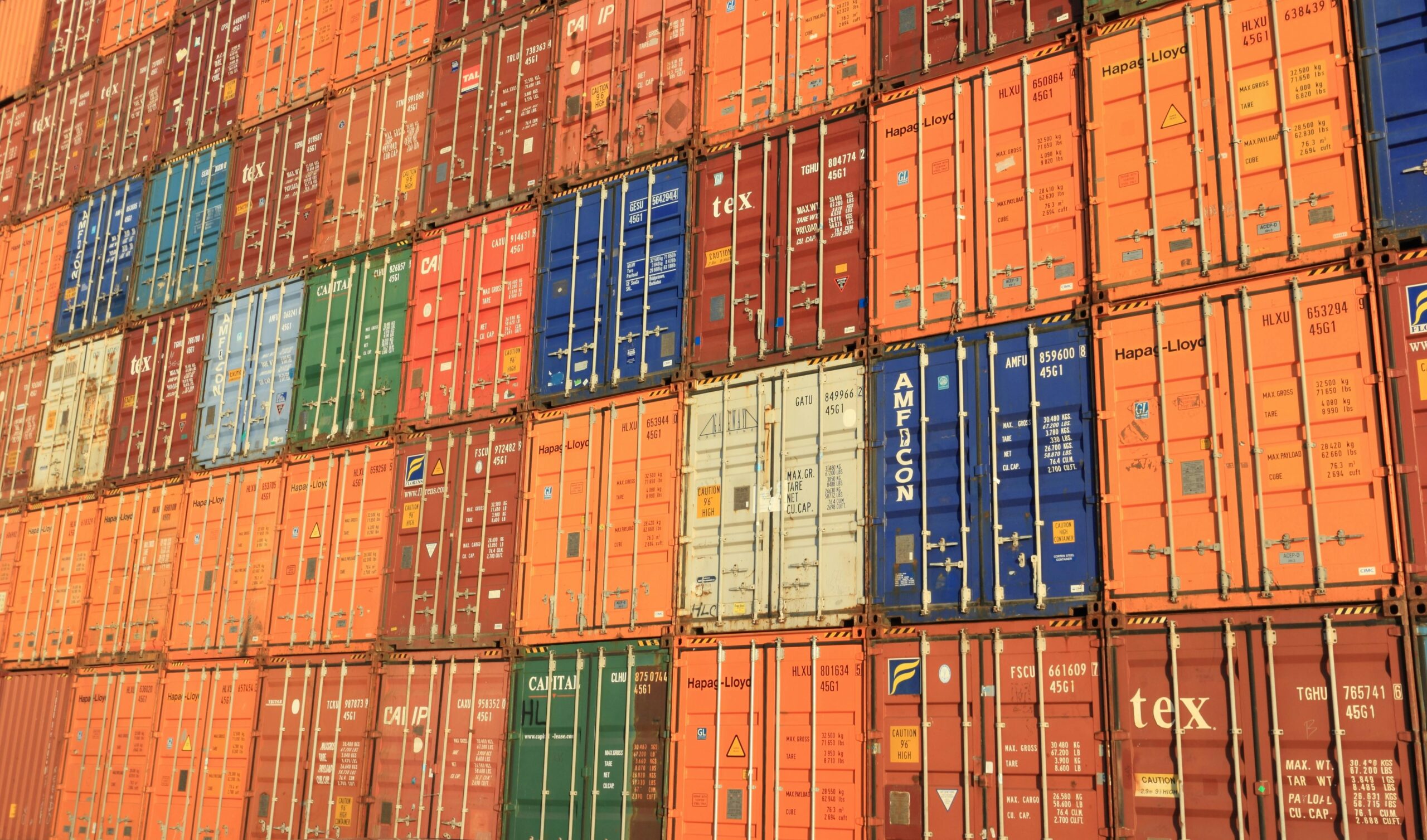
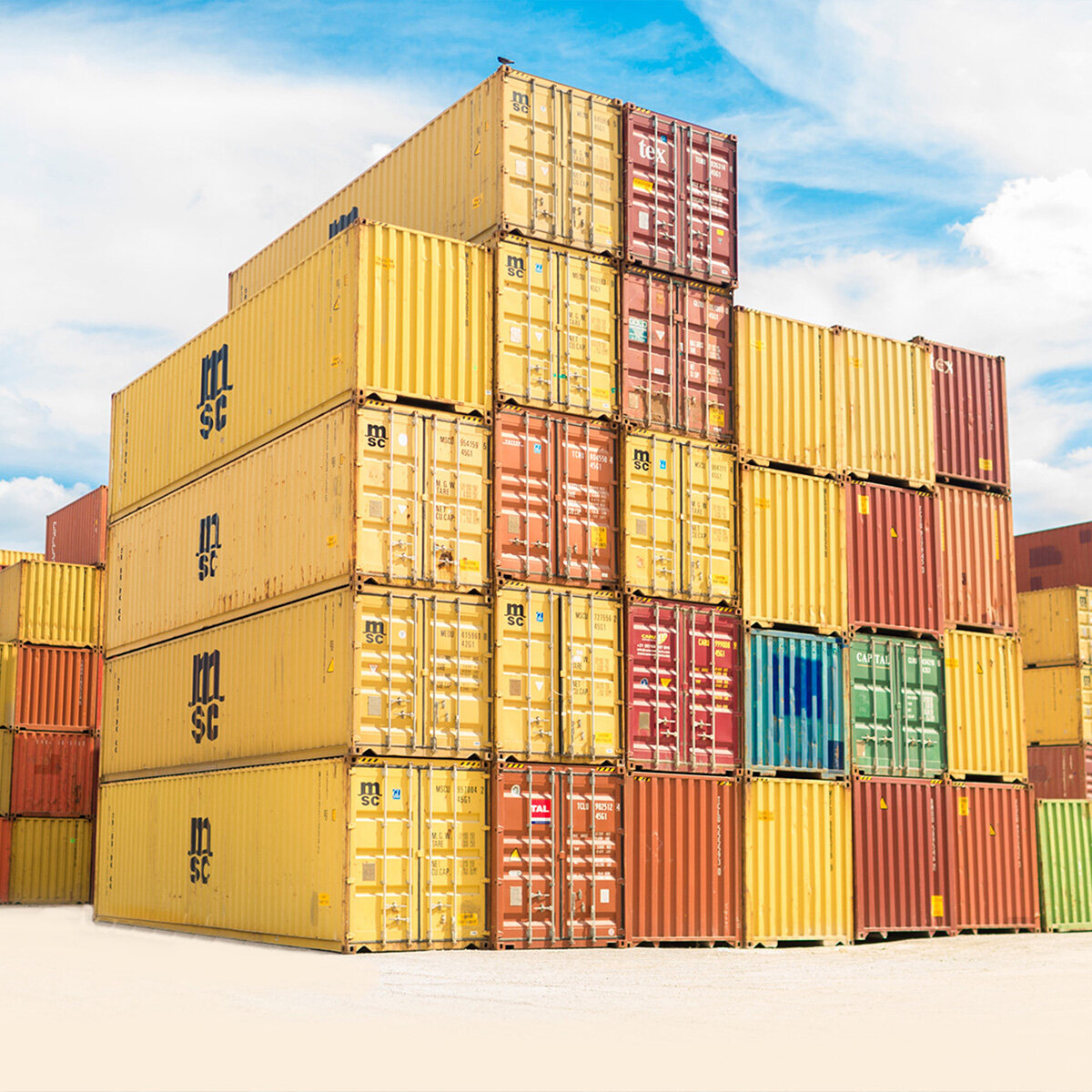
The dry container is the most commonly used container worldwide, suitable for transporting the majority of general cargo, such as electronics, clothing, furniture, and more. Dry containers primarily come in two sizes: 20-foot containers and 40-foot containers.
20-foot container: Measuring 6.058 meters in length, with an internal capacity of approximately 33 cubic meters, it’s often used to transport heavy but compact goods such as metal products and minerals. These containers are highly efficient for smaller cargo loads or short-distance transportation.
40-foot container: With a length of 12.192 meters and an internal capacity of around 67 cubic meters, this container is perfect for larger items, especially lightweight, bulky cargo. It’s ideal for transporting large volumes of goods over long distances.
Additionally, there’s the 40-foot high cube container (40HQ), which is about 0.3 meters taller than the standard 40-foot container, offering an internal volume of 76 cubic meters. This container type is ideal for high-volume, lightweight cargo, such as furniture or textiles.
The primary advantage of dry containers lies in their versatility. Whether for road, sea, or air transportation, these containers easily adapt to various modes. Their sealed structure ensures protection against moisture and contamination during transit.
International Logistics & Freight
2. Reefer Container (Refrigerated Container)
A reefer container is equipped with refrigeration systems, making it ideal for transporting temperature-sensitive goods such as frozen food, pharmaceuticals, and flowers. These containers can maintain a controlled temperature, typically ranging from -25°C to 25°C, ensuring the goods remain fresh during the journey.
Reefer containers are available in both 20-foot and 40-foot sizes. Compared to dry containers, their internal space is slightly smaller due to the refrigeration equipment. Nevertheless, they remain the best option for transporting perishables, ensuring goods reach their destination in optimal condition.
3. Open Top Container
The open top container differs from the standard dry container in that it has no fixed roof, usually covered with a waterproof tarpaulin. This design allows for the easy loading and unloading of oversized or irregularly shaped items, such as heavy machinery, logs, or large construction materials.
Open top containers come in both 20-foot and 40-foot sizes and are suitable for cargo that cannot be easily loaded through the container doors. Their flexibility makes them ideal for transporting specialized goods.
4. Flat Rack Container
A flat rack container has no sidewalls or roof, making it perfect for transporting oversized, wide, or irregularly shaped items, such as construction equipment, boats, or large pipes. The sides of flat rack containers can be folded down, facilitating easier loading and unloading.
Flat rack containers are available in 20-foot and 40-foot sizes. Since they lack sidewalls and a roof, cargo can extend beyond the standard container dimensions, but additional securing measures are required to ensure safe transportation.
5. Tank Container
The tank container, also known as an ISO tank, is designed for transporting liquid or gas cargo, such as chemicals, oil, and alcohol. It consists of a stainless-steel tank protected by a steel frame. Tank containers typically hold between 18,000 and 26,000 liters, depending on the specific cargo.
Tank containers are reliable and safe, meeting international transport standards and making them the go-to solution for transporting hazardous materials or bulk liquids.
6. Other Container Types
In addition to the main types listed above, there are other less common but function-specific containers:
· Side-opening containers: These containers open from the side, allowing easy access to large or difficult-to-load cargo.
· Collapsible containers: These containers can be folded down to save space, ideal for returning empty containers after a short-distance delivery.
· Car carrier containers: Specifically designed for transporting vehicles, these containers have multiple car slots inside.
International Logistics & Freight
How to Choose the Right Container
When selecting a container, consider the following key factors:
· Type of cargo: Different goods require different container types. Dry goods, frozen products, and liquids all have specific transport needs.
· Volume and weight: Choose a container based on the size and weight of your cargo to ensure maximum efficiency.
· Mode of transport: Depending on whether the cargo will be transported by sea, road, or air, different container types may be better suited.
Conclusion
Understanding the various types of containers and their functions not only helps businesses optimize their shipping strategies but also reduces logistics costs. Dry containers, as the most common type, cater to the majority of cargo transport needs, while specialized containers provide custom solutions for specific goods. Whether you’re shipping general merchandise or specialized cargo, choosing the right container is essential for ensuring that your goods arrive safely and efficiently.
By making informed choices, you can enhance your logistics efficiency and guarantee the safety and integrity of your cargo during transit. We hope this article has helped you better understand container types and their uses.
END
Realhong International Logistics has been deeply engaged in the international logistics industry for over a decade, boasting a highly qualified team of experts with extensive experience in global transportation. We offer personalized, one-on-one solutions to tailor the most suitable shipping routes for their clients.
Realhong has provided comprehensive international maritime transportation services to hundreds of medium and large enterprises across various sectors, including automotive, chemicals, machinery, apparel, light industrial products, and pharmaceuticals.
If you're in search of a reliable freight forwarding company, consider Realhong International Logistics. We are committed to offering you the best prices and the highest quality service!
Contact us to get the best quote!

International Logistics & Freight





