
Case Study: Revolutionizing Warehouse Operations with the Compact Electric Forklift in Logistics
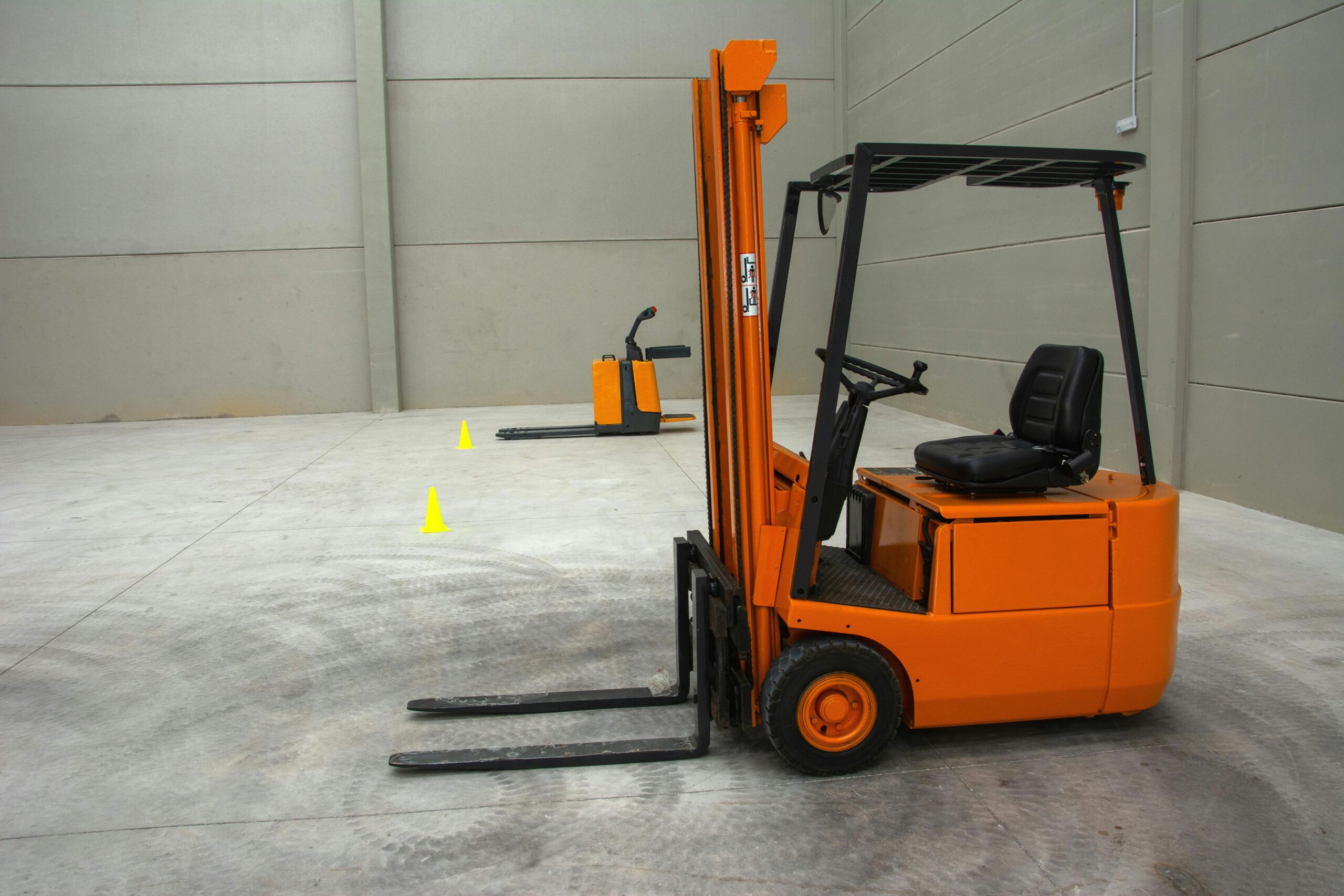
In the fast-paced world of logistics, where efficiency and safety are paramount, a mid-sized manufacturing company in Ohio faced significant challenges in their warehouse operations. Struggling with outdated equipment that limited maneuverability in tight aisles and contributed to high energy costs, the company turned to innovative solutions to streamline their logistics service. This case study examines how implementing the latest compact electric forklift transformed their transportation logistics, boosting productivity by 30% within the first six months.
Identifying the Logistics Challenges
The company's primary pain points revolved around their logistics workflow. Traditional forklifts were bulky, gas-powered, and noisy, leading to safety concerns in confined spaces and environmental issues indoors. Delays in moving goods disrupted the overall transportation logistics, resulting in missed delivery windows and increased operational costs. The need for a more reliable logistics service was clear, as the existing setup couldn't keep up with growing demand for faster order fulfillment. By analyzing their daily operations, the team identified that poor equipment choice was bottlenecking their entire supply chain, affecting everything from inventory management to customer satisfaction.
Implementing the Compact Electric Forklift Solution
To address these issues, the company introduced the compact electric forklift, a vibrant orange machine designed specifically for modern industrial settings. This forklift's sleek and sturdy frame provided exceptional maneuverability, allowing operators to navigate narrow warehouse aisles with ease. The ergonomic seating ensured comfort during long shifts, reducing fatigue and errors, while the intuitive control panel simplified precision handling of goods. Equipped with durable forks, it lifted and transported items smoothly and safely, integrating seamlessly into their logistics service. The electric motor, being eco-friendly, cut down on emissions and noise, making it ideal for indoor use and aligning with the company's sustainability goals in transportation logistics. Training sessions were conducted over two weeks, focusing on the forklift's features to ensure quick adoption by the warehouse staff.
Measuring the Impact on Logistics Efficiency
Post-implementation, the results were transformative for the company's logistics operations. Order processing times dropped by 25%, as the forklift's compact design eliminated previous bottlenecks in transportation logistics. Safety incidents decreased by 40%, thanks to the enhanced visibility of the orange finish and better control systems. Energy savings from the electric power source translated to a 20% reduction in utility bills, directly improving the bottom line of their logistics service. Operators reported higher satisfaction due to the comfortable design, leading to lower turnover rates. Overall, this upgrade not only optimized warehouse efficiency but also positioned the company as a leader in sustainable practices within the logistics sector.
Lessons Learned and Future Outlook
This case study highlights the critical role of advanced equipment in enhancing logistics. The compact electric forklift proved to be a game-changer, demonstrating how targeted investments can yield substantial returns in transportation logistics. Moving forward, the company plans to scale this solution across additional facilities, exploring integrations with automated inventory systems to further refine their logistics service. For businesses grappling with similar challenges, adopting such innovative tools is essential to staying competitive in today's dynamic market.





