
Customs inspection involves checking whether the goods entering or leaving the country match the declared contents, preventing illegal or prohibited items from being imported or exported. This process is an essential part of import and export trade. Generally, inspections are conducted randomly through a system or manually.
The probability of a system-based random inspection is about 2%, so the likelihood of being selected is relatively low. If your shipment is chosen, it might simply be a matter of bad luck.
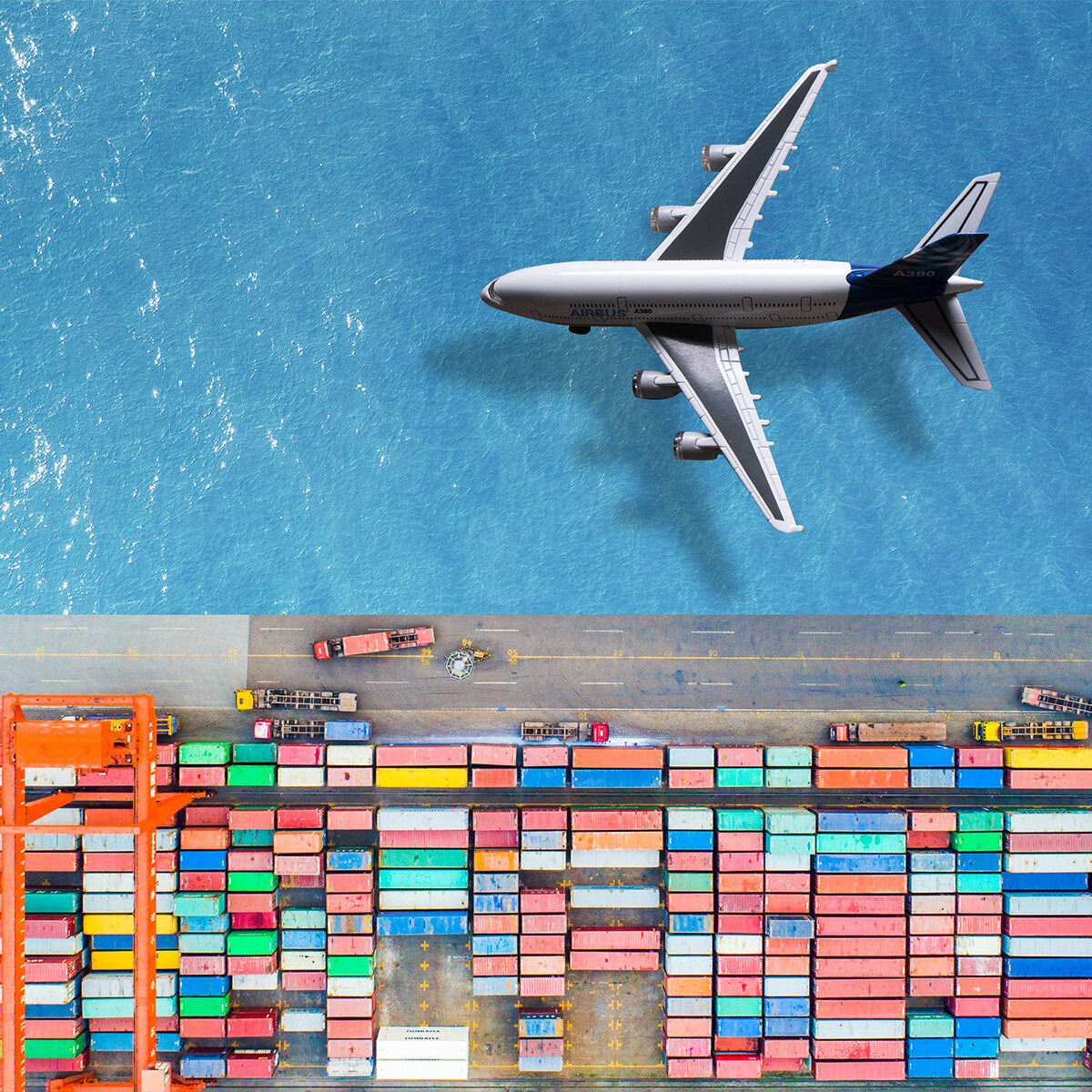 What factors influence the probability of inspection?
1. Product Name: If your shipments have been frequently inspected recently, it may be because the products you’ve declared are currently a focus of customs inspections. Items that pose environmental or health risks are often key targets.
2. Pricing: Some may declare the value of goods higher or lower than their actual value, but customs has a warning system. Each item has a price range in the customs system, and if the declared value falls outside this range, it will trigger an alarm, leading to further investigation.
3. Branding and Intellectual Property: Customs checks for potential infringements by verifying that the brand on the product matches the declared brand. If it’s a well-known brand, an authorization letter may also be required.
4. Product Classification: If the declared product name and HS code do not match, it will trigger an inspection.
5. Declaring Company: If the declaring company has a history of violations in import or export activities, it will be classified as a high-risk entity and become a focus of customs inspections for a period of time.
There’s no need to fear customs inspections. With proper understanding and preparation, as long as your documentation and declarations are accurate and consistent, there’s nothing to worry about!





