
Emerging Trends in Logistics: Shaping the Future of Global Supply Chains
The logistics industry is undergoing a profound transformation, driven by the integration of advanced technologies that promise to redefine efficiency and sustainability. As a core pillar of global commerce, logistics is evolving rapidly, with innovations like autonomous systems and renewable energy solutions at the forefront. This trend analysis explores how current developments in logistics are not only optimizing operations but also addressing pressing environmental challenges, making supply chains more resilient and agile in an increasingly interconnected world.
Autonomous Technologies Revolutionizing Delivery and Transport
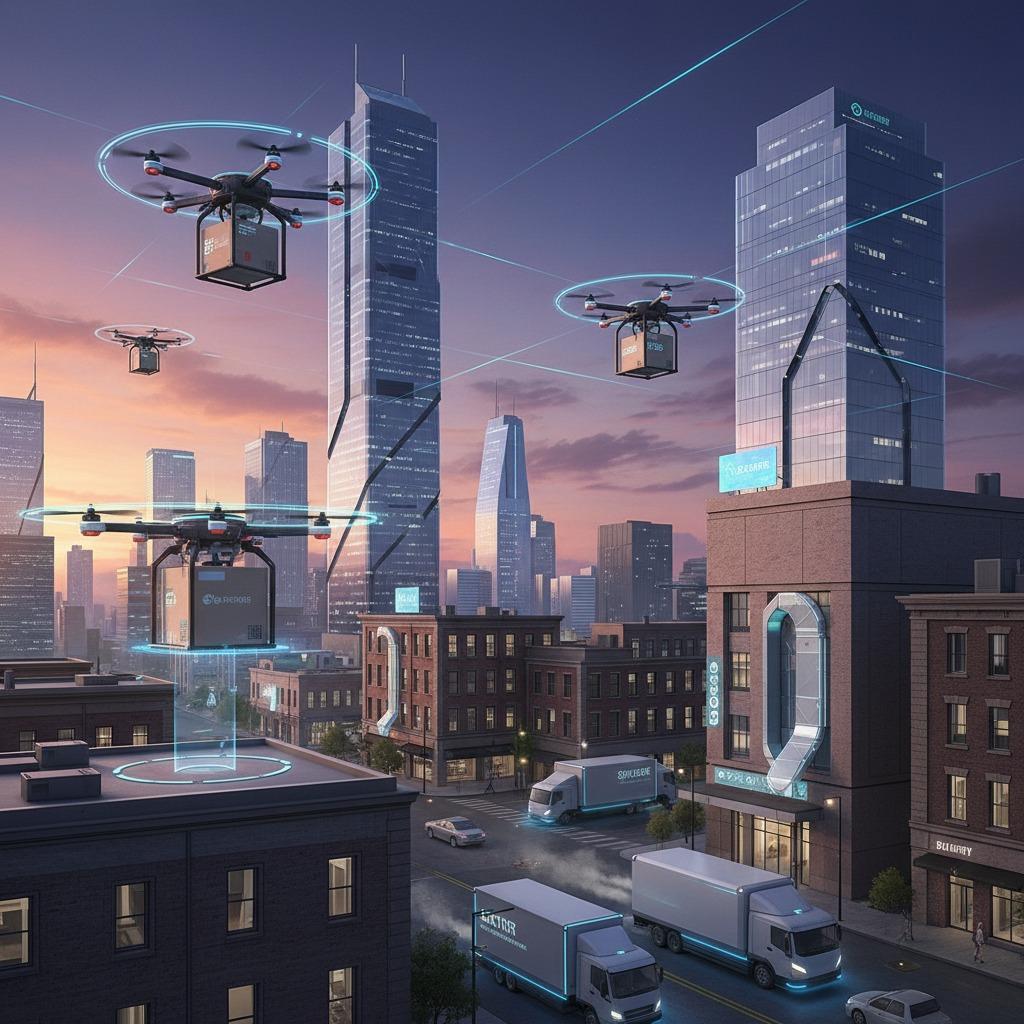
One of the most prominent trends in logistics is the rise of autonomous technologies, particularly in delivery drones and electric freight trucks. These innovations are streamlining urban and rural deliveries, reducing human error, and minimizing operational costs. For instance, AI-powered drones equipped with real-time navigation systems can navigate complex environments to deliver packages swiftly, cutting down on last-mile delivery times that traditionally bottleneck the supply chain. Similarly, high-speed rail networks integrated with intelligent traffic systems are enabling faster regional shipments while slashing carbon emissions. This shift towards automation is part of a broader push in logistics to enhance precision and speed, allowing companies to meet rising consumer demands for quicker, more reliable services. By 2025, experts predict that autonomous vehicles could handle up to 30% of freight transport, fundamentally altering the landscape of logistics.
Sustainable Infrastructure and Green Logistics Initiatives
Sustainability has become a non-negotiable trend in logistics, with solar-powered facilities and energy-efficient designs gaining traction across the industry. Modern logistics hubs are incorporating renewable energy sources to power operations, from smart warehouses with real-time inventory tracking to intermodal ports that seamlessly connect sea, air, and land transport. These eco-friendly infrastructures not only reduce the sector's carbon footprint but also comply with increasingly stringent global regulations on emissions. Electric freight trucks synchronized via AI for route optimization exemplify how logistics is adapting to green standards, lowering fuel consumption and congestion on highways. As businesses face pressure from consumers and governments to adopt sustainable practices, this trend is fostering a circular economy in supply chains, where waste is minimized and resources are maximized. The adoption of such technologies is projected to grow exponentially, with solar-integrated logistics centers becoming standard by the end of the decade.
Intermodal Integration and Smart Port Automation
The integration of intermodal systems represents another key trend in logistics, particularly in port automation, where automated cranes and container cargo vessels are enhancing global trade efficiency. Bustling ports equipped with state-of-the-art gantry cranes and intelligent sensors facilitate rapid loading and unloading of shipping containers, reducing dock times and improving throughput. Container cargo vessels, designed with aerodynamic hulls for lower water resistance, are pivotal in this ecosystem, transporting vast volumes of goods across oceans while prioritizing energy efficiency and durability. This seamless connectivity between maritime, rail, and road networks is crucial for handling the surge in international commerce, especially post-pandemic. Logistics professionals are leveraging data visualization tools in smart facilities to forecast demand and track shipments in real-time, ensuring optimized space utilization and minimized delays. As global trade volumes are expected to double by 2030, this trend underscores the importance of scalable, tech-driven solutions in maintaining competitive edges in logistics.
The Broader Impact on Industry and Economy
Looking ahead, these trends in logistics are poised to drive economic growth by fostering innovation and resilience. The synergy of autonomous drones, high-speed rail, and automated port systems is creating smarter, greener supply chains that can withstand disruptions like geopolitical tensions or natural disasters. Companies embracing these advancements are not only improving operational efficiency but also enhancing customer satisfaction through transparent tracking and faster deliveries. In essence, the future of logistics lies in this harmonious blend of technology and sustainability, setting new benchmarks for the transportation industry worldwide. As we navigate these changes, the focus on innovative hubs will continue to propel logistics towards a more efficient and environmentally conscious era.





