
Emerging Trends in Global Logistics: Navigating a Connected World
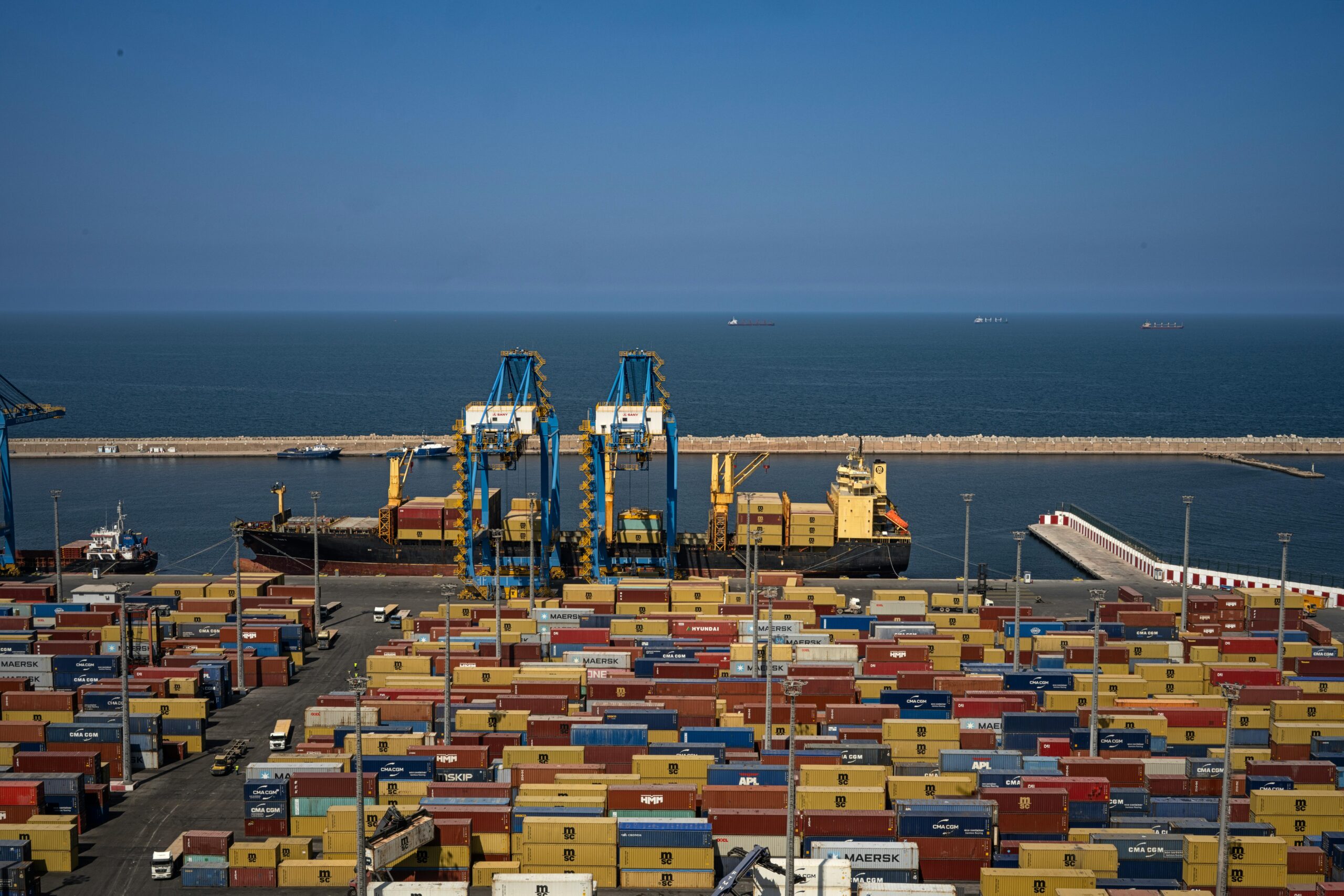
In the fast-paced world of international trade, logistics stands as the backbone of economic activity, ensuring goods flow seamlessly across borders. As supply chains grow more complex, the logistics industry is witnessing transformative trends driven by technology and sustainability demands. Our state-of-the-art container port, situated on the serene coastline, exemplifies these shifts, handling modern global trade with precision and efficiency. This facility's expansive stacking areas and organized layout highlight how logistics services are evolving to meet the needs of tomorrow's commerce.
The Rise of Advanced Infrastructure in Logistics Services
One prominent trend in logistics is the investment in cutting-edge infrastructure to boost operational efficiency. Leading logistics companies are prioritizing ports and hubs equipped with state-of-the-art technology, such as our port's high-precision gantry cranes designed for swift loading and unloading. These innovations reduce turnaround times and minimize errors, allowing vessels from major players like Maersk and CMA CGM to dock reliably against the open sea's stunning vista. Logistics service providers are increasingly adopting such facilities to handle high-volume throughput, ensuring that global supply chains remain resilient amid disruptions like geopolitical tensions or pandemics. This focus on infrastructure not only enhances speed but also supports eco-friendly practices, such as optimized routing to cut emissions.
Sustainability and Digital Integration Shaping Logistics Companies
Sustainability has emerged as a key driver in the logistics sector, with companies integrating green technologies into their operations. At our coastal hub, the strategic location along international shipping lanes facilitates efficient transit while minimizing environmental impact through advanced container management systems. Logistics companies are leveraging AI and IoT for real-time tracking, predictive analytics, and automated warehousing, trends that promise to reduce waste and improve transparency. For instance, the port's capacity to manage containers of all sizes underscores how logistics services are adapting to e-commerce booms and just-in-time delivery models. As consumer demand for ethical sourcing rises, logistics firms that prioritize these elements gain a competitive edge, fostering long-term partnerships in a market projected to grow exponentially.
The Future of Logistics: Innovation as a Gateway to Prosperity
Looking ahead, the logistics landscape is poised for further disruption through blockchain for secure transactions and autonomous vehicles for last-mile delivery. Our port serves as a beacon of this future, blending accessibility, technology, and capacity to act as a vital gateway in the global commerce chain. Logistics companies that embrace these trends will not only streamline operations but also contribute to a more interconnected economy. With major shipping entities actively engaging here, it's clear that efficient logistics services are essential for thriving in an era of rapid globalization. As we navigate these changes, facilities like ours ensure that the pulse of trade beats stronger, driving innovation and reliability across industries.





