
Understanding Traditional Logistics vs. Modern Logistics Services
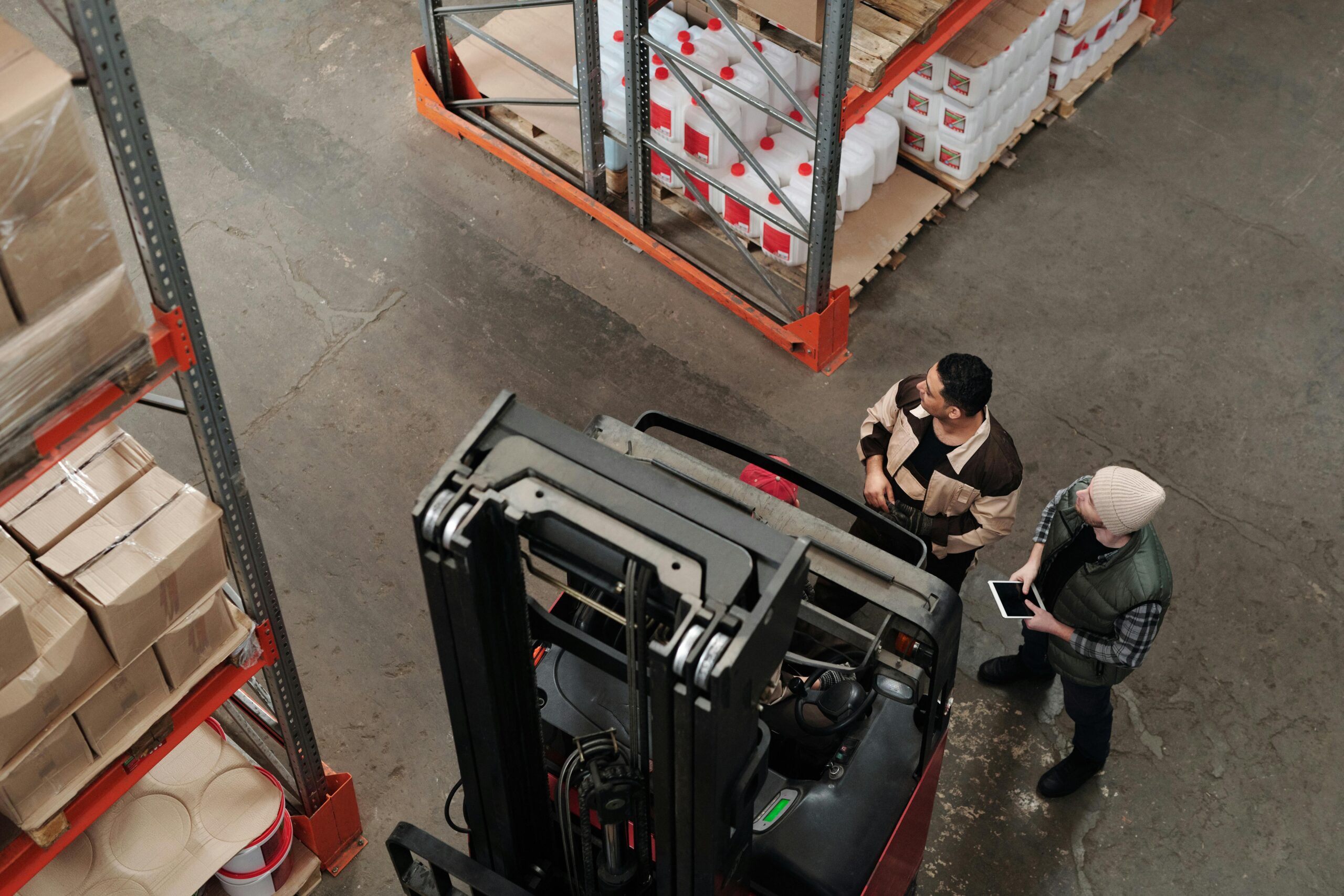
In the world of logistics, the evolution from basic coordination of goods movement to sophisticated systems has transformed how businesses operate. Traditional logistics often relied on manual processes and limited technology, focusing primarily on basic transportation and storage. In contrast, modern logistics service integrates advanced tools and digital platforms to enhance efficiency and accuracy. For instance, while traditional methods might involve paper-based tracking, today's logistics service employs real-time data analytics to predict delays and optimize routes, ensuring faster delivery times and reduced costs.
This comparison highlights how logistics has shifted from reactive to proactive strategies. Companies using outdated logistics approaches frequently face challenges like inventory mismatches and prolonged shipping times, whereas those adopting contemporary logistics service benefit from seamless integration of supply chain elements. The use of automation in logistics not only minimizes human error but also scales operations to meet global demands, making it a superior choice for competitive markets.
Comparing Transportation Logistics with Warehouse-Centric Models
When examining transportation logistics versus warehouse-focused operations, the differences become stark in terms of flexibility and cost-effectiveness. Transportation logistics emphasizes the movement of goods across distances, prioritizing route optimization, vehicle maintenance, and compliance with regulations. On the other hand, warehouse-centric models concentrate on storage, inventory management, and order fulfillment within controlled environments. For example, transportation logistics might excel in long-haul efficiency using GPS-enabled fleets, but it often overlooks the intricacies of stock organization that warehouse systems address through tools like advanced shelving and hydraulic forklifts.
A key contrast lies in their approach to scalability. Transportation logistics can be vulnerable to external factors such as weather or fuel prices, leading to unpredictable timelines. In comparison, integrating warehouse enhancements in logistics service provides a stable foundation, where durable pallets and secure packaging ensure goods remain intact during transitions. This blend allows businesses to contrast the mobility of transportation logistics with the reliability of optimized storage, ultimately favoring hybrid models that leverage both for comprehensive supply chain control.
The Impact of Technology in Evolving Logistics Practices
Technology serves as a pivotal differentiator when contrasting legacy logistics with innovative logistics service frameworks. Older transportation logistics systems depended on human oversight for scheduling and monitoring, often resulting in inefficiencies and higher error rates. Modern iterations, however, incorporate devices like tablets for real-time inventory tracking, revolutionizing how teams coordinate within warehouses. This shift not only streamlines operations but also enhances safety through ergonomic machinery designed for heavy load handling.
Furthermore, the comparison reveals how logistics service has outpaced traditional methods by fostering a holistic ecosystem. While conventional transportation logistics might suffice for simple shipments, advanced logistics integrates robust infrastructure with digital tools, enabling precise maneuvering between stocked shelves and optimal space utilization. Businesses that contrast these approaches often find that investing in contemporary logistics yields measurable improvements in productivity and customer satisfaction, underscoring the need for adaptive strategies in today's fast-paced environment.
In summary, by comparing traditional and modern facets of logistics, including specialized transportation logistics and comprehensive logistics service, it's evident that innovation drives superior outcomes. Embracing these advancements ensures businesses remain agile and efficient in managing their supply chains.





