
Comparing Traditional and Tech-Driven Logistics: A Path to Efficiency
In the dynamic world of logistics, where the movement of goods across global supply chains defines economic vitality, modern innovations are reshaping how businesses operate. Logistics, as the backbone of commerce, contrasts sharply between time-honored methods and cutting-edge approaches. This comparison highlights how traditional logistics operations often struggle with inefficiencies, while the integration of logistics software and tailored logistics solutions propels operations into a more streamlined era.
The Foundations of Traditional Logistics Operations
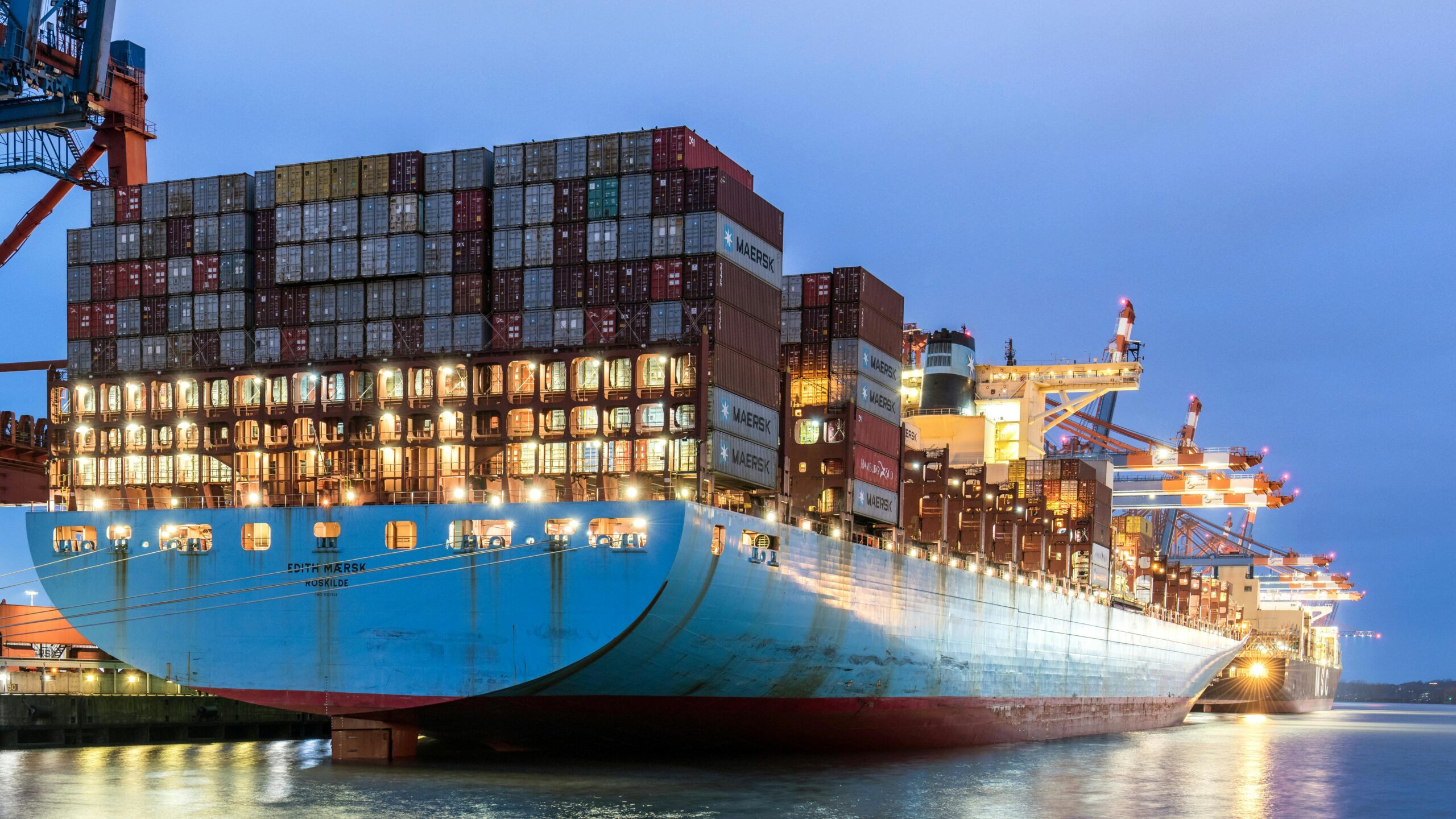
Traditional logistics operations rely heavily on manual processes, paper-based documentation, and human coordination to manage the flow of goods. Picture a bustling port where workers manually load containers onto ships, as seen in vivid depictions of maritime logistics. These operations, while robust in their simplicity, often face delays due to human error, unpredictable weather, or outdated tracking systems. For instance, coordinating shipments without real-time visibility can lead to stockpiles at ports or lost cargo, increasing costs and frustrating stakeholders. In contrast, these methods excel in localized scenarios where immediate human oversight ensures quick adaptations to on-the-ground changes, fostering a sense of reliability in smaller-scale enterprises. However, as global trade expands, the limitations become evident—scalability suffers, and response times lag behind the demands of today's fast-paced markets.
The Rise of Logistics Software in Modern Operations
Shifting focus to logistics software introduces a paradigm of automation and data-driven decision-making that starkly contrasts with traditional setups. Advanced platforms enable real-time tracking, predictive analytics, and automated routing, transforming how logistics operations are conducted. Unlike the manual oversight in conventional systems, logistics software minimizes errors by integrating GPS, AI algorithms, and cloud-based dashboards to monitor shipments from origin to destination. For example, in a high-tech port scenario, software could optimize crane movements and container stacking, reducing turnaround times from days to hours. This technology not only cuts fuel costs for vessels like those majestic container ships but also enhances security through digital verification. Yet, while logistics software offers unparalleled efficiency, it demands significant upfront investment and technical expertise, posing challenges for smaller firms accustomed to hands-on methods. The comparison reveals software's superiority in handling complex, international routes, but it may lack the intuitive flexibility of human-led traditional logistics in niche, unpredictable environments.
Logistics Solutions: Bridging the Gap Between Old and New
Logistics solutions emerge as hybrid models that blend the strengths of both worlds, providing customizable frameworks to address specific industry needs. These solutions often incorporate elements of logistics software within established operations, creating a balanced approach. In maritime contexts, for instance, integrated logistics solutions facilitate seamless coordination between ship crews and port authorities, ensuring that towering stacks of containers are loaded with precision and speed. Compared to purely traditional logistics operations, these solutions reduce bottlenecks by 30-50% through automated forecasting, yet they retain human elements for oversight in critical phases like customs clearance. On the flip side, standalone logistics software might overlook regional nuances that traditional methods handle adeptly, such as navigating local regulations or labor disputes. By contrasting these, it's clear that comprehensive logistics solutions drive economic growth, connecting continents more reliably than ever. They underscore the evolution from rigid, manual processes to agile, tech-infused systems, ultimately benefiting global commerce.
Future Implications and Strategic Choices
Looking ahead, the comparison between traditional logistics operations, logistics software, and integrated logistics solutions points to a future dominated by hybrid innovations. Businesses must weigh the cost savings and speed of software against the proven dependability of manual methods. In an era where ports buzz with 24/7 activity, adopting logistics solutions ensures competitiveness, minimizing disruptions and maximizing throughput. This strategic pivot not only enhances efficiency but also sustainability, as optimized routes lower emissions from massive container ships. Ultimately, the choice hinges on scale and goals—traditional approaches suit modest operations, while tech-driven alternatives empower global leaders to thrive in an interconnected world.





