
Comparing Traditional Logistics to Modern Solutions: The EA Gannet Advantage
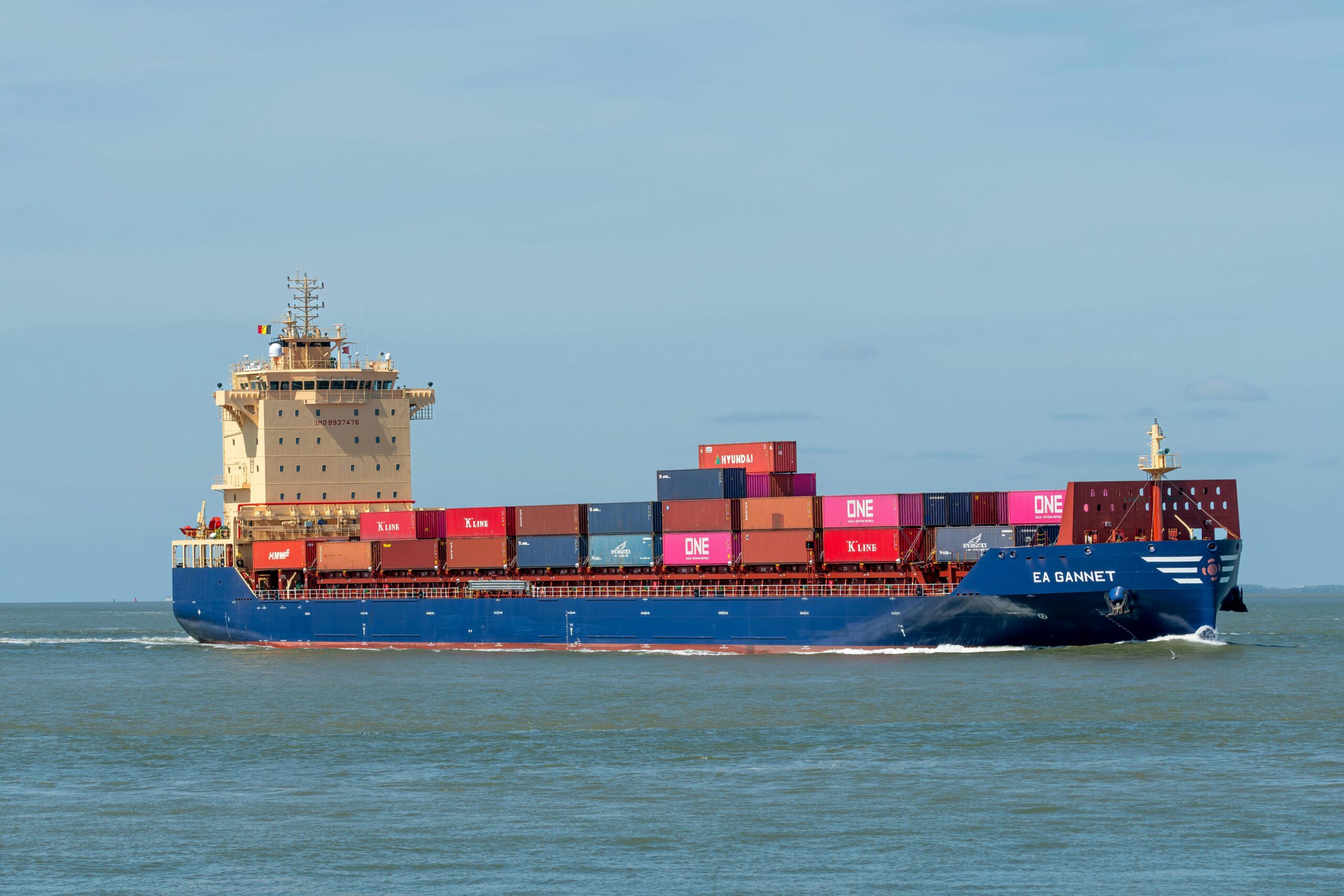
In the fast-paced world of logistics, efficiency and reliability are paramount. Traditional logistics often rely on outdated methods that can lead to delays and increased costs, but modern innovations are transforming the industry. This article explores the contrasts between conventional approaches and cutting-edge logistics solutions, using the impressive EA Gannet cargo ship as a prime example of how technology and design are revolutionizing global trade.
Traditional Logistics Operations vs. Streamlined Modern Practices
Logistics operations have historically been bogged down by manual processes, fragmented supply chains, and limited visibility into shipments. For instance, older vessels might struggle with container handling due to less advanced loading systems, resulting in longer turnaround times at ports. In contrast, modern logistics operations, as seen with the EA Gannet, integrate seamless workflows that minimize downtime. This ship, engineered for the global shipping industry, handles a diverse range of containers from brands like Hyundai, ONE, and X Lines with precision. Its robust framework and streamlined structure allow for optimized speed across vast distances, directly addressing the inefficiencies of traditional setups where weather or mechanical issues could halt progress for days. By comparing these, it's clear that contemporary logistics operations reduce errors and enhance reliability, making international trade more predictable.
The Role of Logistics Software in Enhancing Efficiency
One key differentiator lies in the integration of logistics software. Traditional logistics often depend on paper-based tracking or basic spreadsheets, leading to miscommunications and inventory discrepancies. This can inflate costs by up to 20% due to unforeseen delays. On the other hand, advanced logistics software embedded in vessels like the EA Gannet provides real-time data analytics, predictive maintenance, and route optimization. The ship's towering bridge and onboard systems exemplify this, offering high visibility and cutting-edge technology to navigate through various weather conditions safely. When contrasting the two, logistics software not only cuts operational costs but also improves decision-making, allowing companies to respond swiftly to market demands. For example, while traditional methods might overlook minor route adjustments, software-driven solutions on the EA Gannet ensure fuel efficiency and timely deliveries, showcasing a marked improvement in overall performance.
Comprehensive Logistics Solutions: Building a Resilient Future
Logistics solutions encompass a holistic approach that traditional models often lack, such as scalability and adaptability to global disruptions. Conventional solutions might focus solely on point-to-point transport without considering end-to-end integration, leaving vulnerabilities in the supply chain. The EA Gannet, painted in a sleek navy blue and deep maroon, merges functionality with aesthetic appeal while facilitating secure transport of goods across international waters. It represents comprehensive logistics solutions that prioritize sustainability and security, contrasting sharply with older ships that may not incorporate eco-friendly designs or advanced security protocols. By examining these differences, businesses can see how investing in modern logistics solutions like those embodied by the EA Gannet leads to unmatched capabilities in global commerce. Ultimately, this comparison highlights the shift toward innovative, tech-enabled systems that not only outperform but also future-proof logistics operations against evolving challenges.
In summary, the evolution from traditional to modern logistics underscores the importance of embracing change. The EA Gannet stands as a testament to how superior design and technology can bridge the gap, offering a blueprint for efficient, reliable shipping in today's interconnected world.





