
Evolution of Global Logistics: Navigating the Tides of Change
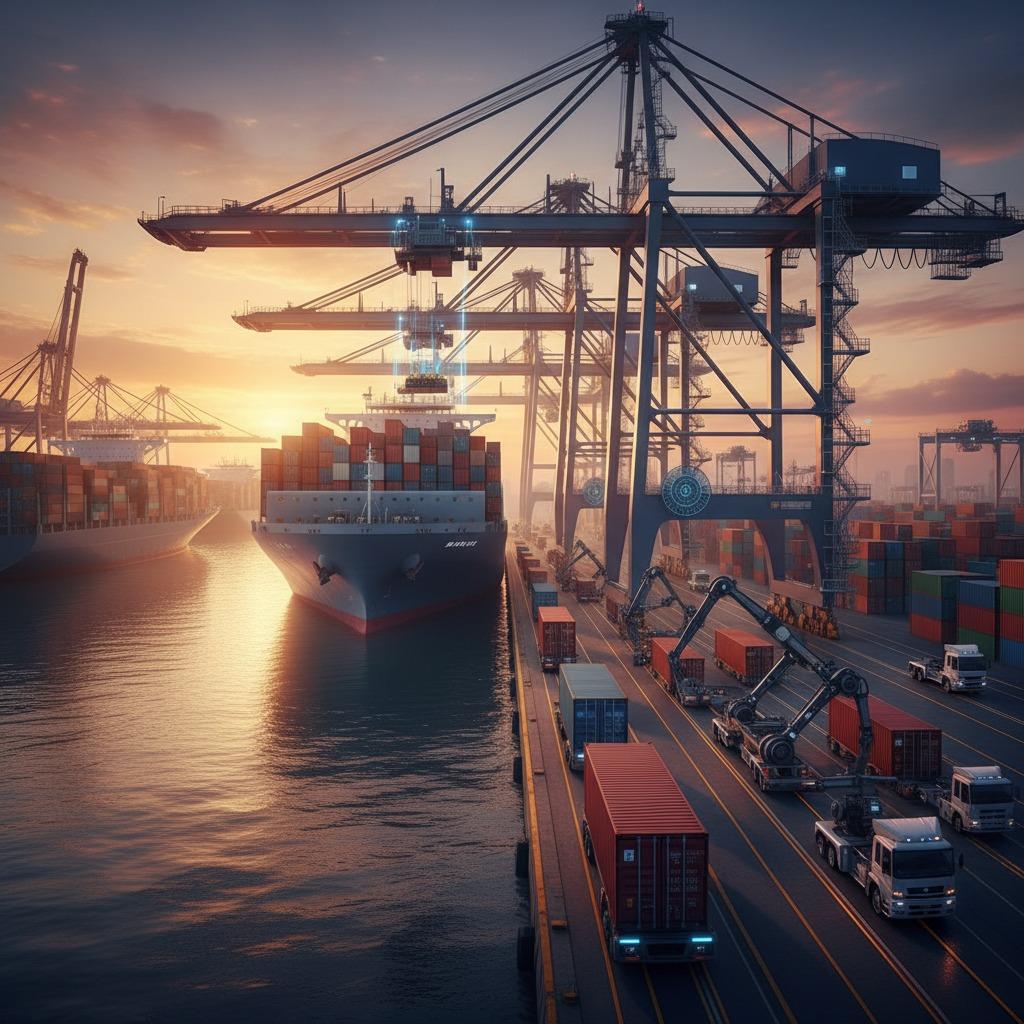
In the dynamic world of international trade, logistics stands as the backbone, orchestrating the seamless movement of goods across continents. As businesses grapple with rising demands for speed and sustainability, the logistics sector is witnessing transformative trends that redefine efficiency and connectivity. This article delves into the current shifts shaping logistics, from technological integrations to eco-conscious strategies, highlighting how modern infrastructures like advanced ports and versatile vessels are propelling the industry forward.
Technological Advancements Driving Logistics Efficiency
Logistics is undergoing a digital revolution, with automation and AI at the forefront. Consider sprawling container terminals where automated cranes and precision-engineered systems minimize human error and accelerate operations. These innovations, as seen in state-of-the-art ports, handle vast arrays of shipping containers—vibrant symbols of global commerce—stacked meticulously to optimize space and throughput. The integration of real-time data analytics allows for predictive routing, reducing delays and enhancing supply chain visibility. In 2023 alone, adoption of such technologies has boosted operational speeds by up to 30%, according to industry reports, making logistics not just reactive but proactively intelligent. This trend is particularly evident in hubs that connect major trade routes, ensuring goods from electronics to perishables flow uninterrupted.
Sustainable Practices Reshaping the Logistics Landscape
Sustainability has emerged as a pivotal trend in logistics, driven by global pressures to lower carbon emissions. Modern ports and cargo vessels are leading this charge with eco-friendly integrations like electrified fleets and hybrid engine systems. For instance, versatile support ships equipped with high-capacity cranes now prioritize fuel-efficient propulsion, cutting environmental impact while maintaining robust performance in heavy port operations. These vessels, with their reinforced hulls and advanced navigation, support docking and towing in diverse conditions, all while adhering to green standards. The trend extends to optimized shipping lanes and energy-efficient infrastructure in terminals, where pristine waters and clear pathways underscore a commitment to balancing commerce with conservation. As regulations tighten, companies investing in these practices are not only complying but gaining a competitive edge, with sustainable logistics projected to dominate 40% of the market by 2025.
The Role of Strategic Infrastructure in Global Logistics
At the heart of these trends lies robust infrastructure that amplifies logistics capabilities. Massive ports with versatile docking facilities accommodate diverse cargo types, from oversized loads to intricate container shipments, fostering economic growth in their regions. These hubs act as catalysts, creating jobs in transportation and maintenance while supporting auxiliary industries. Picture a bustling terminal at dusk, illuminated decks of cargo vessels humming with activity— a testament to 24/7 reliability. The scale of operations, with towering cranes and secure storage, ensures continuous cycles of unloading, warehousing, and redistribution. Geographically advantageous locations further enhance this, connecting inland systems to international waters and streamlining global trade. As e-commerce surges, such infrastructures are evolving to handle increased volumes, incorporating smart technologies for real-time tracking and adaptive scaling.
Future Outlook: Logistics in an Interconnected World
Looking ahead, logistics trends point toward greater interconnectivity and resilience. The fusion of aviation-inspired aerodynamics in vessel design—think sleek fuselages and winglet-like efficiencies—hints at cross-industry innovations enhancing speed and fuel performance. With passenger comfort analogies extending to cargo, interiors of support ships now feature ergonomic layouts for crew efficiency during long hauls. Economic drivers like these ports and vessels symbolize more than mere functionality; they embody global interconnectedness. As supply chains face disruptions from geopolitical shifts and climate events, the emphasis on adaptable, tech-forward logistics will only intensify. Businesses that align with these trends—embracing automation, sustainability, and strategic hubs—will thrive, turning potential challenges into opportunities for innovation and expansion in this ever-evolving field.





