
Evolving Trends in Global Logistics
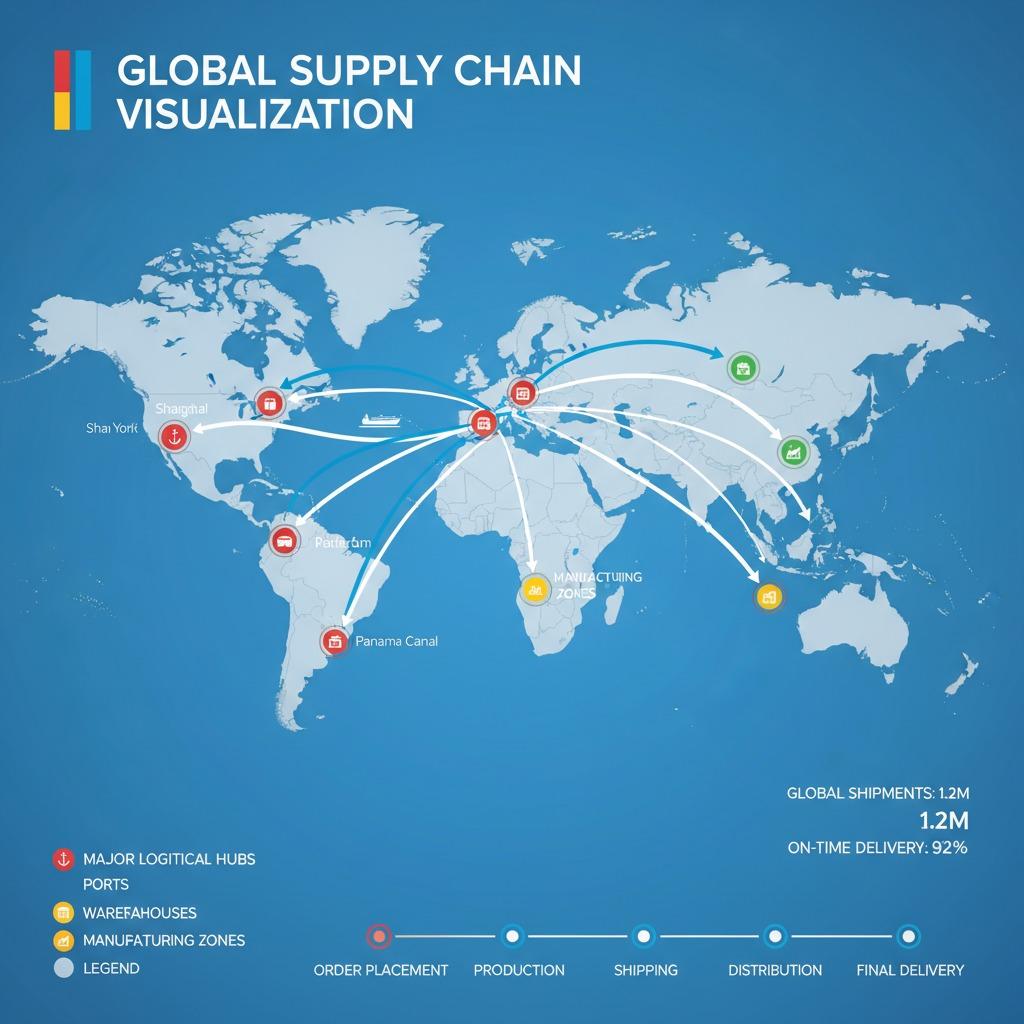
In the fast-paced world of international trade, logistics stands as the backbone of economic activity, connecting suppliers, manufacturers, and consumers across continents. As businesses strive for efficiency in an increasingly interconnected global market, current trends in logistics are reshaping how goods are transported, stored, and delivered. From advanced technological integrations to sustainable practices, the logistics sector is witnessing a transformative shift that promises to streamline operations and reduce costs. This evolution is particularly evident in key hubs like sprawling ports and innovative aviation systems, where precision and scale define modern success.
Technological Innovations Driving Logistics Efficiency
One of the most prominent trends in logistics is the adoption of cutting-edge technologies such as automation and AI-driven systems. Towering cranes equipped with precision engineering at major ports exemplify this shift, allowing for seamless movement of colorful shipping containers that represent diverse global commerce. These yellow and green machines optimize time and resources, minimizing human error and accelerating turnaround times for vessels. Similarly, in aviation logistics, streamlined aircraft with aerodynamic designs and modern jet engines are reducing air resistance and fuel consumption, enabling quieter and more efficient flights. Retractable landing gear and high-thrust engines highlight how logistics in the skies is becoming as vital as maritime routes, supporting just-in-time delivery for time-sensitive cargo. The integration of these technologies not only boosts operational performance but also addresses urban noise pollution concerns, making logistics more environmentally friendly.
Sustainable Practices Reshaping Logistics Strategies
Sustainability has emerged as a critical trend in logistics, with companies prioritizing eco-friendly methods to meet regulatory demands and consumer expectations. Ports serving as crucial arteries for world trade are increasingly incorporating green initiatives, such as energy-efficient cranes and reduced-emission vessels, to handle everything from manufactured goods to raw materials. The picturesque backdrops of seas and hills at these facilities underscore their strategic importance, but it's the underlying commitment to lower carbon footprints that sets them apart. In parallel, aviation advancements in logistics focus on fuel-efficient designs painted in vibrant hues, ensuring that air travel contributes less to global emissions while maintaining passenger comfort through spacious cabins and innovative lighting. As logistics evolves, the emphasis on durable, weather-resistant infrastructure—like robust docking systems and versatile workhorses of the sea—ensures reliability without compromising the planet. This trend is powering industries worldwide, fostering a future where logistics balances scale with responsibility.
The Future of Logistics: Connectivity and Scale
Looking ahead, logistics trends point toward enhanced global connectivity through integrated multimodal transport systems. Facilities brimming with rows of containers and advanced material-handling equipment illustrate the sheer scale of modern trade, where every calculated movement reduces costs and enhances speed. Maritime prowess, complemented by industrial-grade setups at harbors, blends mechanics with marine technology to support demanding shipping operations, even in twilight-lit waterfronts that evoke both artistry and functionality. Aviation's role in logistics complements this by offering dynamic energy through sleek exteriors and identifiable branding, ideal for long-haul efficiency. As these hubs define the future of trade, the convergence of innovation, efficiency, and visual aesthetics in logistics promises a resilient infrastructure that connects continents seamlessly. Businesses embracing these trends will not only stay competitive but also lead in creating a more connected and sustainable world.





