
Comparing Traditional Logistics with Cutting-Edge Innovations
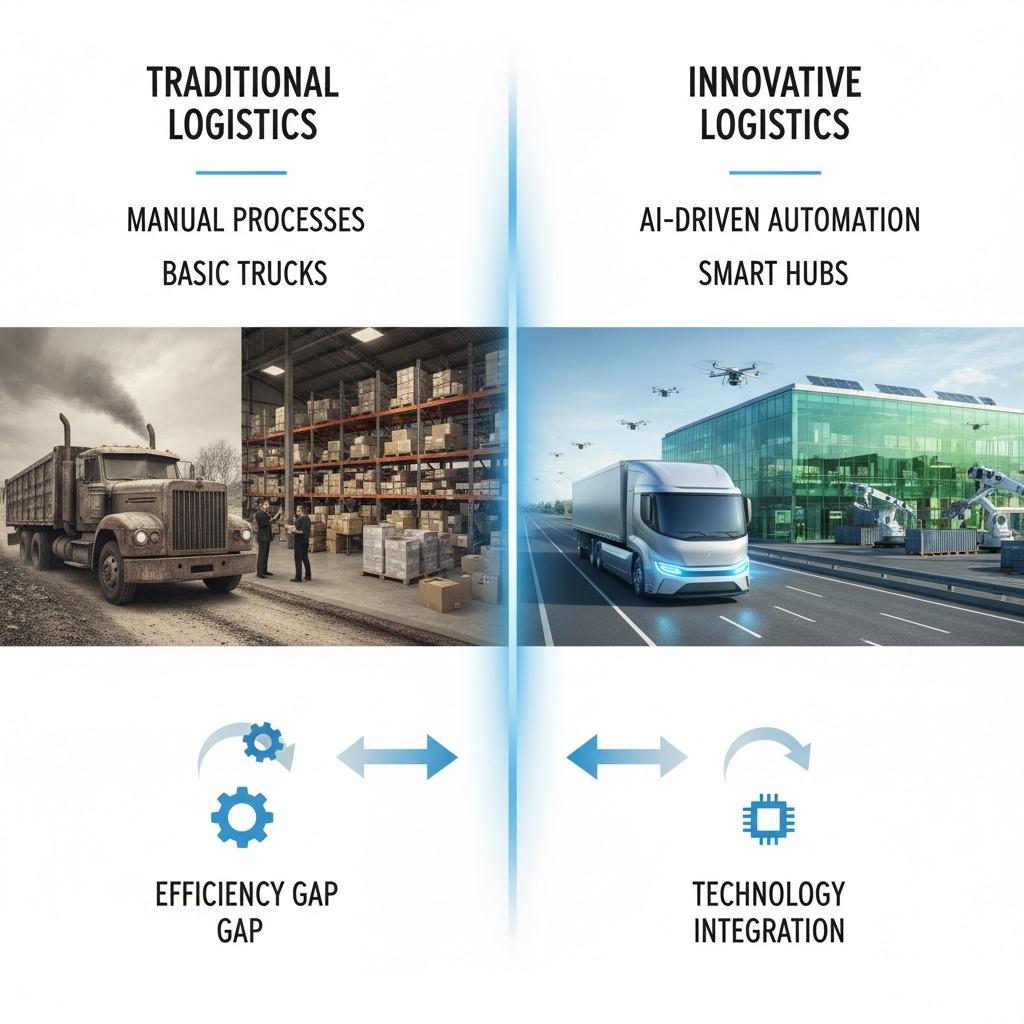
In the world of logistics, efficiency and reliability are paramount, but traditional methods often fall short compared to modern advancements. Traditional logistics relies on manual processes, basic trucking, and straightforward shipping routes, which can lead to delays and higher costs. In contrast, today's logistics solutions, like high-performance freight trucks and smart connected hubs, integrate technology for seamless operations. These innovations, featuring advanced engines and GPS tracking, transform how goods move globally, reducing environmental impact while boosting speed.
Freight Trucks vs. Multimodal Transport Systems
Freight trucks represent a cornerstone of ground-based logistics, offering durability for heavy-duty container transport. Sleek designs in striking red tones, equipped with aerodynamic efficiency and safety features like adaptive cruise control, make them ideal for domestic hauls. However, when compared to multimodal transport systems in a smart connected logistics hub, trucks alone seem limited. Multimodal systems combine air, sea, and land—think cargo drones for quick aerial deliveries alongside high-speed freight trains and electric semis. While trucks excel in last-mile versatility, the hub's AI-driven routing and IoT integration provide superior precision, minimizing congestion and emissions across global supply chains. This contrast highlights how isolated truck logistics pale against the interconnected efficiency of hubs.
Maritime Shipping: Container Vessels Versus Port Hubs
Maritime logistics through modern container shipping vessels offers massive capacity for international trade, with expansive decks and advanced gantry cranes ensuring rapid loading. These vessels, with sustainable hulls and dynamic safety systems like radar and GPS, handle challenging sea conditions reliably. Yet, comparing them to integrated port infrastructures in logistics hubs reveals key differences. Standalone vessels depend on dockside operations for unloading, which can bottleneck at busy ports. In contrast, smart ports within hubs use automated cranes and digital command centers for real-time monitoring, synchronizing vessel arrivals with ground and air networks. This holistic approach in hubs not only speeds up turnaround but also incorporates renewable energy like solar panels, making it more eco-friendly than traditional sea-focused logistics.
The Future: Why Integrated Logistics Outshines the Past
Ultimately, the evolution from conventional logistics to innovative ecosystems marks a significant shift. Traditional setups, whether truck fleets or isolated ships, struggle with scalability and sustainability. Integrated solutions, such as the smart connected logistics hub, blend aerial drones, electric vehicles, and advanced warehousing for carbon-neutral operations. For businesses, this means optimized delivery times and cost savings—trucks handle urban routes efficiently, while vessels and trains cover bulk international needs. The contrast is clear: outdated logistics breeds inefficiency, but cutting-edge systems ensure secure, timely global connectivity. Embracing these advancements isn't just an upgrade; it's essential for thriving in tomorrow's trade landscape.





