
Current Trends Shaping the Logistics Industry
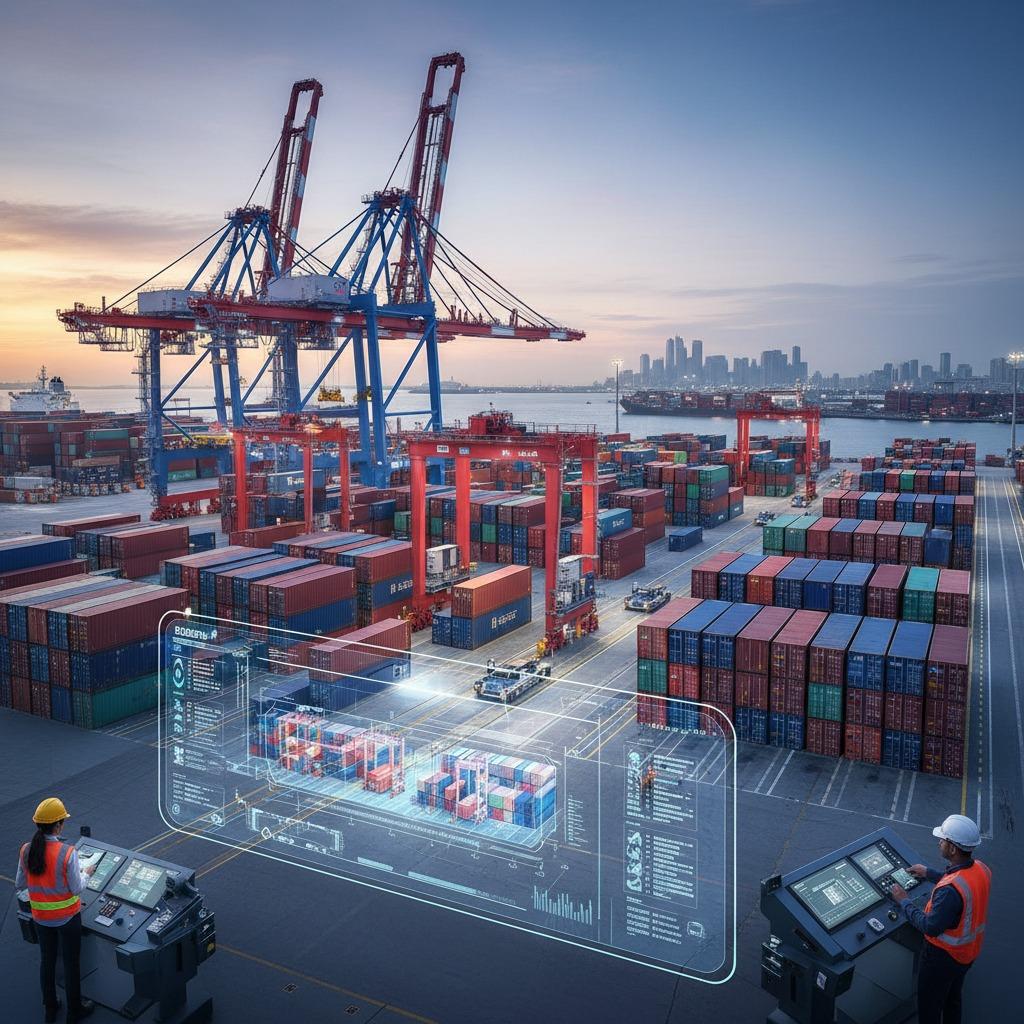
The logistics sector is undergoing a profound transformation, driven by technological advancements and shifting global demands. As logistics continues to be the backbone of international trade, companies are increasingly focusing on efficiency and sustainability. In 2023, the integration of AI and automation has become a dominant trend, optimizing supply chains from ports to final delivery. For instance, modern container terminals, equipped with advanced gantry cranes and smart inventory systems, are handling vast volumes of goods with unprecedented speed. This evolution in logistics not only reduces costs but also minimizes environmental impact, aligning with global efforts to combat climate change.
Technological Innovations in Maritime and Air Logistics
One of the most exciting trends in logistics is the rise of hybrid systems combining maritime and aviation capabilities. High-capacity ports, featuring massive containerized storage and sophisticated infrastructure, are now seamlessly connected to dynamic passenger jets that double as cargo carriers. These jets, with their aerodynamic excellence and powerful engines, are redefining air freight by offering quieter, low-emission operations. The iconic design of these aircraft, often in vibrant blue and red, enhances branding for forward-thinking providers. Meanwhile, ocean tugboats paired with robust industrial cranes are boosting port efficiency, ensuring swift offloading and precise handling of heavy loads. This synergy is enabling logistics networks to scale globally, with strategic waterfront locations facilitating quicker turnaround times for cargo vessels.
Sustainability and Efficiency Driving Future Logistics
Sustainability is no longer optional in logistics; it's a core trend influencing operations worldwide. Eco-conscious engines in both aircraft and vessels are cutting emissions, while ergonomic designs in cabins and decks prioritize comfort for crews managing long-haul routes. Ports are adopting cutting-edge navigation systems that adapt to weather conditions, enhancing safety and reliability. The fusion of functionality and durability in tools like towering cranes and advanced deck layouts is streamlining workflows, from administration offices to transportation hubs. As logistics embraces smart technology for routing and distribution, businesses are poised to expand import-export networks with greater reliability. This trend towards integrated, green solutions is set to revolutionize commerce, making the industry more resilient in an interconnected world.
The Role of Automation and AI in Modern Supply Chains
Automation is revolutionizing logistics by minimizing human error and accelerating processes. In container terminals, heavy-duty machinery and precision cranes operate with AI-driven precision, managing colorful stacks of containers efficiently. Similarly, aviation innovations like intuitive emergency systems in passenger jets ensure stable flights even in turbulent skies, supporting seamless cargo transport. The network of roads and buildings in ports underscores the integration of these technologies, optimizing the movement of goods across vast distances. As logistics trends point towards further automation, companies investing in these advancements will gain a competitive edge, fostering scalability and innovation in global trade.





