
Frequently Asked Questions About Logistics
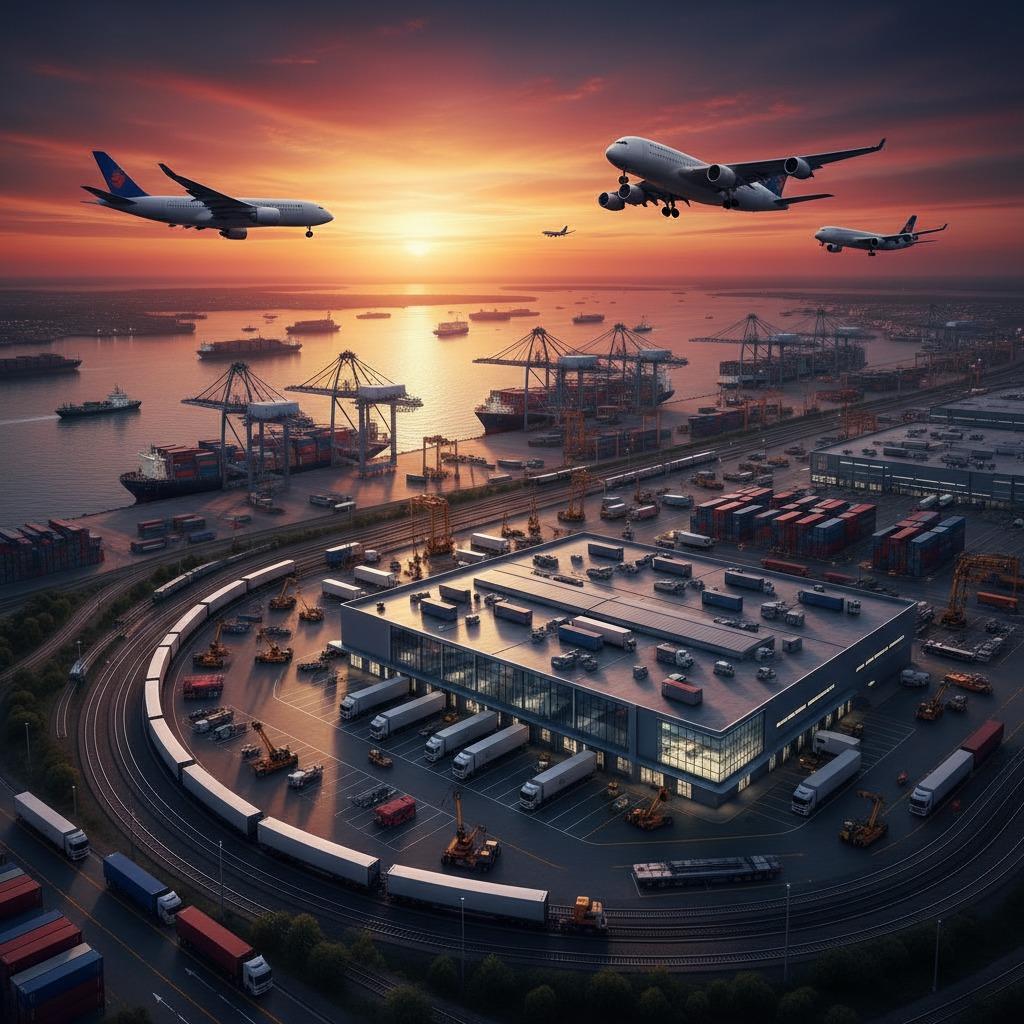
Logistics is the backbone of modern supply chains, ensuring goods move efficiently from origin to destination. Whether you're a business owner or a curious individual, understanding logistics can help you navigate the complexities of global trade. In this FAQ, we'll address common questions about logistics, drawing from innovative practices in air, sea, and integrated transportation systems.
What is Logistics and Why is it Important?
Logistics refers to the planning, implementation, and control of the efficient movement and storage of goods, services, and related information from point of origin to point of consumption. It's crucial for businesses because it optimizes costs, reduces delivery times, and enhances customer satisfaction. In today's interconnected world, effective logistics integrates various modes of transport like air, sea, and land to create seamless operations. For instance, state-of-the-art hubs that combine cargo planes with bustling ports exemplify how logistics bridges global distances, ensuring swift and reliable connectivity. Without robust logistics, supply chains would falter, leading to delays and increased expenses.
How Does Integrated Air and Sea Logistics Work?
Integrated air and sea logistics involves coordinating multiple transportation modes to streamline the supply chain. Picture a cutting-edge aircraft gliding over a vibrant port at dusk, symbolizing the harmony between aerial speed and maritime capacity. Air transport handles time-sensitive cargo with its efficiency and advanced technology, while sea routes manage high-volume shipments through robust cranes and container systems. This convergence, seen in modern transportation hubs, allows for optimized routing where goods are consolidated in distribution centers before dispatch via trucks or rail. Such systems minimize bottlenecks, reduce environmental impact, and provide cost-effective solutions. Companies leveraging this approach, like those with precision handling technology in ports, achieve unprecedented throughput and reliability.
What Role Does Technology Play in Modern Logistics?
Technology is revolutionizing logistics by introducing automation and data-driven insights. Autonomous trucks and advanced navigation systems in port complexes enhance safety and efficiency, cutting down on human error. Container stacking systems and AI-powered cranes ensure swift loading and unloading, as seen in innovative maritime facilities equipped for global trade. Additionally, integrated hubs use real-time tracking to monitor cargo from air shipments to sea voyages, promising faster resolutions to disruptions. Sustainability is another focus, with designs that harmonize operations with the environment, like serene sunset-backed ports that prioritize eco-friendly practices. Embracing these technologies means businesses can scale operations while maintaining a resourceful future.
How Can Businesses Improve Their Logistics Operations?
To improve logistics, businesses should invest in strategic hubs that blend air, land, and sea capabilities. Start by assessing your supply chain for inefficiencies, such as delays in cargo transfer between modes. Adopting state-of-the-art infrastructure, like dedicated docks for trucks and rail connections, can streamline flow. Focus on sustainability by choosing systems that reduce emissions, such as efficient container ships and precision tech. Partnering with innovative providers ensures access to global networks, where goods travel swiftly across continents. Regularly training staff on new tools, like autonomous systems, further boosts performance. Ultimately, a proactive approach to logistics fosters resilience and growth in a competitive market.
What are the Challenges in Global Logistics?
Global logistics faces challenges like geopolitical tensions, weather disruptions, and rising costs. Ports and air routes can experience congestion, delaying shipments, while fluctuating fuel prices impact sea and air transport. Supply chain visibility is another hurdle, often addressed through integrated tech in hubs that provide end-to-end tracking. Environmental regulations demand sustainable practices, pushing innovations in eco-conscious shipping. Despite these, advancements like autonomous operations and multimodal integration offer solutions, ensuring reliability. By anticipating these issues, businesses can build adaptive strategies that keep logistics running smoothly.
Future Trends in Logistics
The future of logistics points toward greater automation, AI optimization, and green initiatives. Expect more hubs where air and sea converge seamlessly, supported by drone deliveries and electric fleets. Sustainability will drive innovations in low-emission vessels and smart ports. Digital twins and blockchain will enhance transparency, reducing fraud in global trade. As we embrace this evolution, logistics will bring the world closer, delivering speed, efficiency, and environmental responsibility one journey at a time.





