
(Share the latest international logistics information)
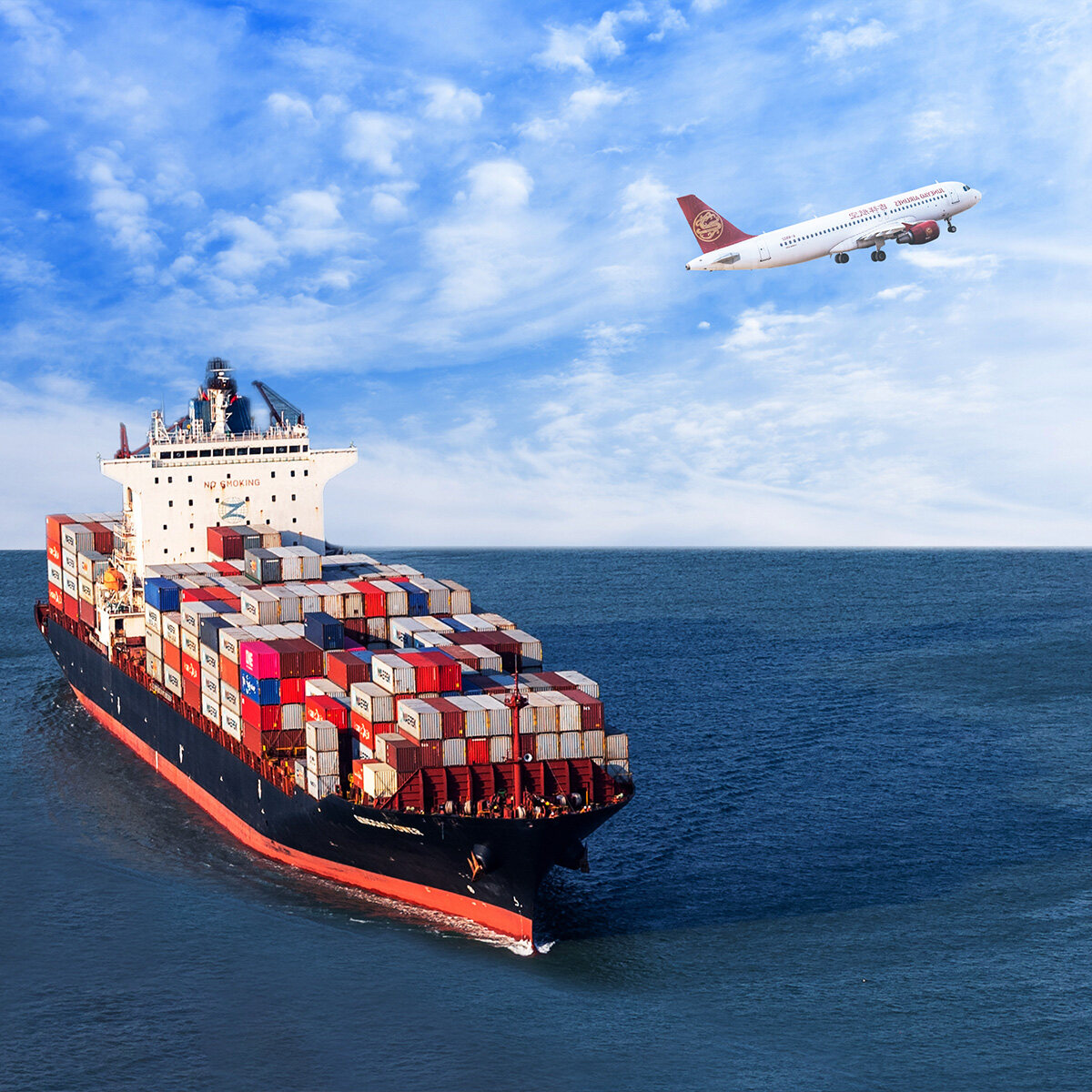
In global trade and the economy, sea transportation covers a large service area, has a high capacity, low costs, and strong adaptability to different goods, which makes it responsible for transporting over two-thirds of the world’s trade volume. It has always been the most efficient, safest, and environmentally friendly means of long-distance bulk cargo transportation. Recently, as regional conflicts have intensified, the waters around the Red Sea have become increasingly unsafe, with frequent attacks on cargo ships. Many international shipping companies have decided to suspend navigation in the Red Sea or choose to reroute around the Cape of Good Hope in Africa. Some companies have even announced that they will stop accepting cargo shipments in the Red Sea region and no longer take new bookings for that route.
As a result, sea freight rates are expected to rise significantly, but compared to air and rail transport, they still have a cost advantage. It is clear that even when the situation is unstable, sea freight remains the most widely accepted means of long-distance transportation. So how well do you understand the entire process of international shipping?
(Share the latest international logistics information)
Full Process of Sea Freight Export
1.Cargo Preparation: Cargo preparation includes selecting the appropriate vessel and port, handling related procedures, etc. When choosing the vessel and port, factors such as the type of goods, destination, and budget need to be considered. Packaging, labeling, and container selection for the goods should also be addressed. The packaging should meet transportation requirements, protecting the goods from damage, deformation, and other impacts. The labels must comply with international trade standards, indicating the name, quantity, weight of the goods, as well as the contact details of both the consignee and consignor.
2. Selecting the Mode of Transport: The choice of transportation method, such as sea, air, or land transport, should be based on factors like the nature of the goods, quantity, transport time, and costs.
3.Cargo Loading: Before loading, cargo must be inspected, weighed, and loaded properly to ensure accuracy, completeness, traceability, and safety.
4.Customs Clearance and Documentation: Export goods must go through customs clearance procedures, including export licenses, commodity inspection, and customs registration. Additionally, transport documents such as the bill of lading, contract, certificate of origin, and packing list must be prepared to prove the legality and safety of the goods.
5.Cargo Transportation: Cargo transport on the vessel must comply with the transport contract and international trade regulations to ensure the safe and smooth arrival of goods at their destination.
6.Unloading and Customs Clearance: At the destination port, the cargo needs to be unloaded and cleared through customs, which includes delivering the goods, paying duties, and completing customs inspections.
7.Delivery: After unloading, the cargo should be delivered according to the customer’s requirements, such as delivering it to a specified address.
(Share the latest international logistics information)
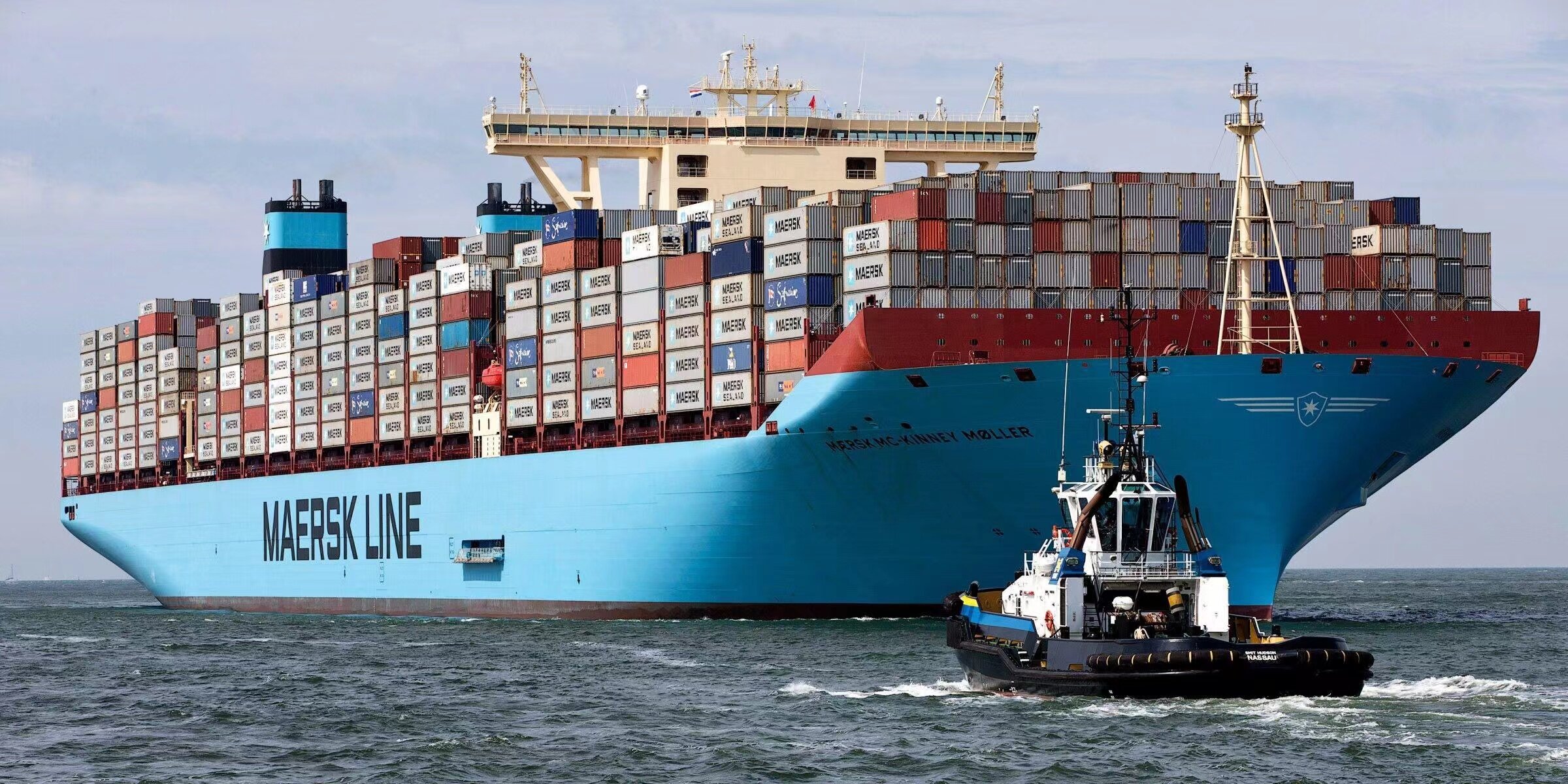
Full Process of Sea Freight Import
1.Receiving the Full Set of Documents from the Customer: Upon receiving the customer’s full set of documents, it is essential to identify which shipping company is handling the imported goods, who the vessel agent is, and where to exchange the delivery order for customs clearance. Confirm the exchange fee, container deposit fee, and exchange time in advance with the shipping company or vessel agent. Contact the terminal in advance to confirm the container pickup fee, unloading fee, trucking fee, and empty container return fee. Confirm the vessel’s arrival time and location, and if transshipment is required, confirm the name of the second vessel.
2.Exchanging the Delivery Order with the Original Endorsed Bill of Lading: Go to the shipping company or vessel agent with the original endorsed bill of lading to exchange the delivery order and handover list. Carefully check that the container numbers and seal numbers on the bill of lading or telex release copy match those on the delivery order. A letter of guarantee is a written document from the importer to the vessel agent requesting the release of the goods.
3.Customs Clearance Using the Delivery Order and Documentation: When customs require an inspection of the goods, contact the terminal in advance to move the container to the designated customs inspection site. After receiving the customer’s full set of documents, confirm the commodity code of the goods, then check the customs tariff to confirm the import tax rate and any regulatory conditions required for the goods. If various inspections are necessary, they must be completed before customs declaration. If a commodity inspection is needed, obtain the import commodity inspection application form and two customs declaration forms to register, and stamp the customs declaration form with the commodity inspection registration seal for smooth customs clearance. Inspection procedures are carried out at the final destination.
4.Picking Up the Goods After Completing All Procedures: Notify the pre-arranged yard to pick up the goods and deliver them to the customer. Coordinate enough vehicles with the yard based on the number of containers to avoid storage fees. During container pickup, jointly inspect the container body with the yard staff for any significant damage. If any, request the port to note the damage on the equipment handover form. After picking up the goods, collect the handover form from the terminal, proving the container is undamaged, and retrieve the container deposit from the shipping company or vessel agent.
The above describes the sea freight import process and related matters. Importers must strictly follow the procedures and pay attention to related matters when importing goods. If problems arise due to lack of rigor in operations, it could lead to significant losses for the business.
END
Realhong International Logistics has been deeply engaged in the international logistics industry for over a decade, boasting a highly qualified team of experts with extensive experience in global transportation. We offer personalized, one-on-one solutions to tailor the most suitable shipping routes for their clients.
Realhong has provided comprehensive international maritime transportation services to hundreds of medium and large enterprises across various sectors, including automotive, chemicals, machinery, apparel, light industrial products, and pharmaceuticals.
If you’re in search of a reliable freight forwarding company, consider Realhong International Logistics. We are committed to offering you the best prices and the highest quality service!
Contact us to get the best quote!

(Share the latest international logistics information)





