
Understanding the Essentials of Logistics
Logistics forms the backbone of modern supply chains, ensuring goods move efficiently from origin to destination. As businesses expand globally, effective logistics becomes crucial for timely delivery and cost management. This article explores the core aspects of logistics, including its integration with specialized services like air freight logistics, and how reliable logistics service can transform operations.
The Role of Air Freight Logistics in Global Trade
Air freight logistics represents a vital segment of the broader logistics ecosystem, offering speed and reliability for time-sensitive shipments. Unlike sea or road transport, air freight logistics allows for rapid transit across continents, making it ideal for perishable goods, electronics, and high-value items. Companies leveraging air freight logistics benefit from reduced transit times, which can significantly boost customer satisfaction and market responsiveness. For instance, integrating air freight logistics into your supply chain can cut delivery windows from weeks to days, providing a competitive edge in fast-paced industries.
Statistics show that air freight accounts for about 35% of global trade value despite comprising only 0.5% of volume, underscoring its efficiency for premium cargo. Providers of air freight logistics often employ advanced tracking systems and optimized routing to minimize delays, ensuring seamless coordination with ground and sea components. This multimodal approach enhances overall logistics performance, reducing costs and environmental impact through consolidated shipments.
Enhancing Operations with Comprehensive Logistics Service
A top-tier logistics service encompasses planning, execution, and optimization of transportation and warehousing. Businesses partnering with a dependable logistics service provider gain access to expertise in inventory management, customs clearance, and last-mile delivery. Such services are tailored to industry needs, whether for e-commerce fulfillment or manufacturing supply lines, ensuring scalability and adaptability to market fluctuations.
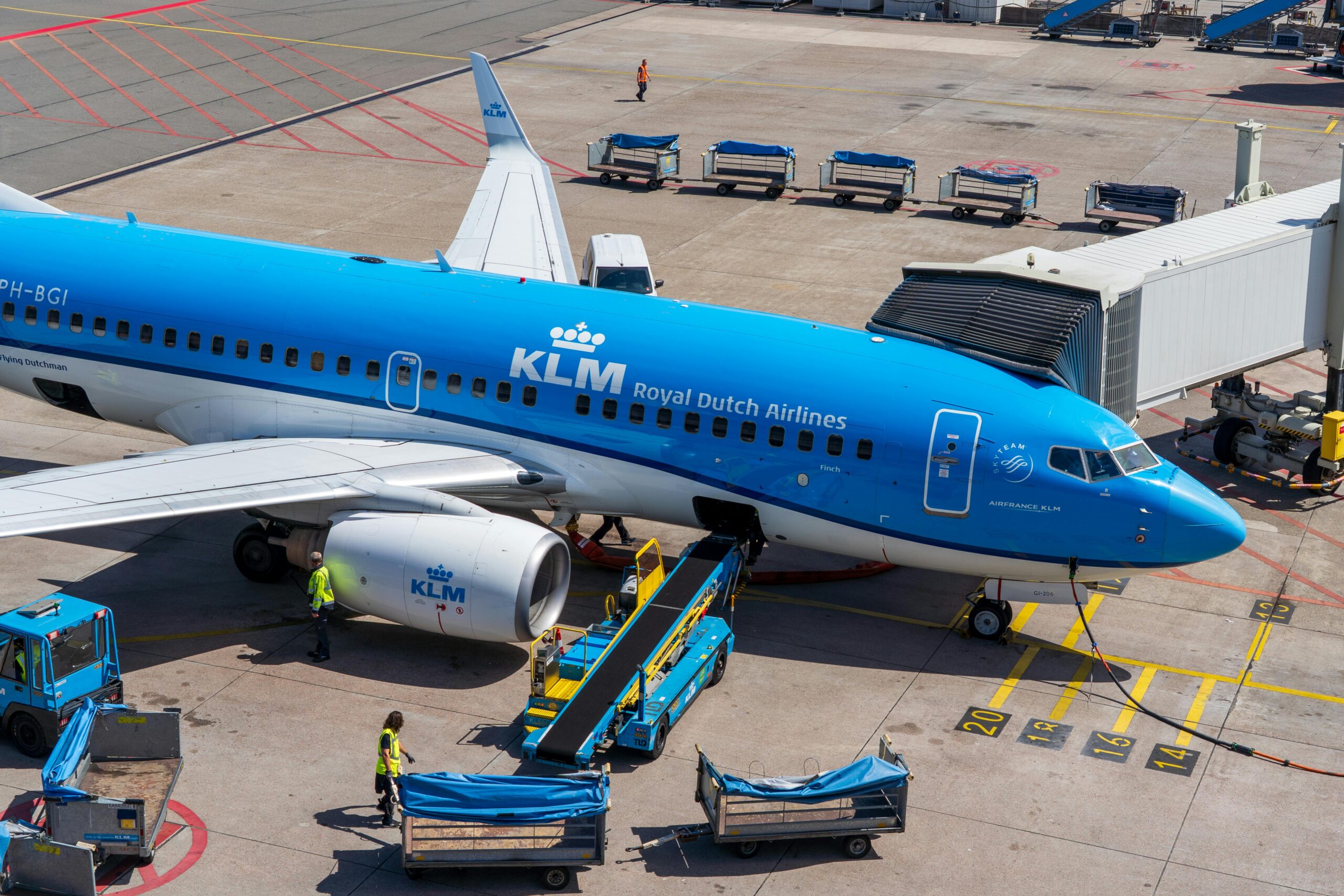
In practice, a robust logistics service integrates technology like AI-driven forecasting and real-time analytics to predict disruptions and streamline processes. For example, in the aviation sector, logistics service supports efficient cargo handling for airlines like KLM, where Boeing aircraft facilitate swift loading operations. This not only accelerates turnaround times but also upholds safety standards, aligning with global regulations. By choosing a logistics service that emphasizes sustainability, companies can lower their carbon footprint—air freight innovations, for instance, have improved fuel efficiency by up to 20% in recent years.
Future Trends in Logistics and Innovation
Looking ahead, logistics is evolving with digital transformation and sustainability at its core. Emerging trends include drone deliveries, blockchain for transparent tracking, and automated warehouses, all of which amplify the efficiency of air freight logistics and general logistics service. As global trade volumes are projected to reach $28 trillion by 2026, investing in adaptive logistics strategies will be key to resilience against challenges like geopolitical tensions or supply shortages.
Moreover, the fusion of air freight logistics with eco-friendly practices, such as using fuel-efficient aircraft, addresses environmental concerns while maintaining speed. Companies that prioritize comprehensive logistics service will not only meet but exceed operational demands, fostering long-term growth and customer loyalty. In essence, mastering logistics ensures that businesses remain agile and competitive in an interconnected world.





