
The Imperative for Innovation in Modern Logistics
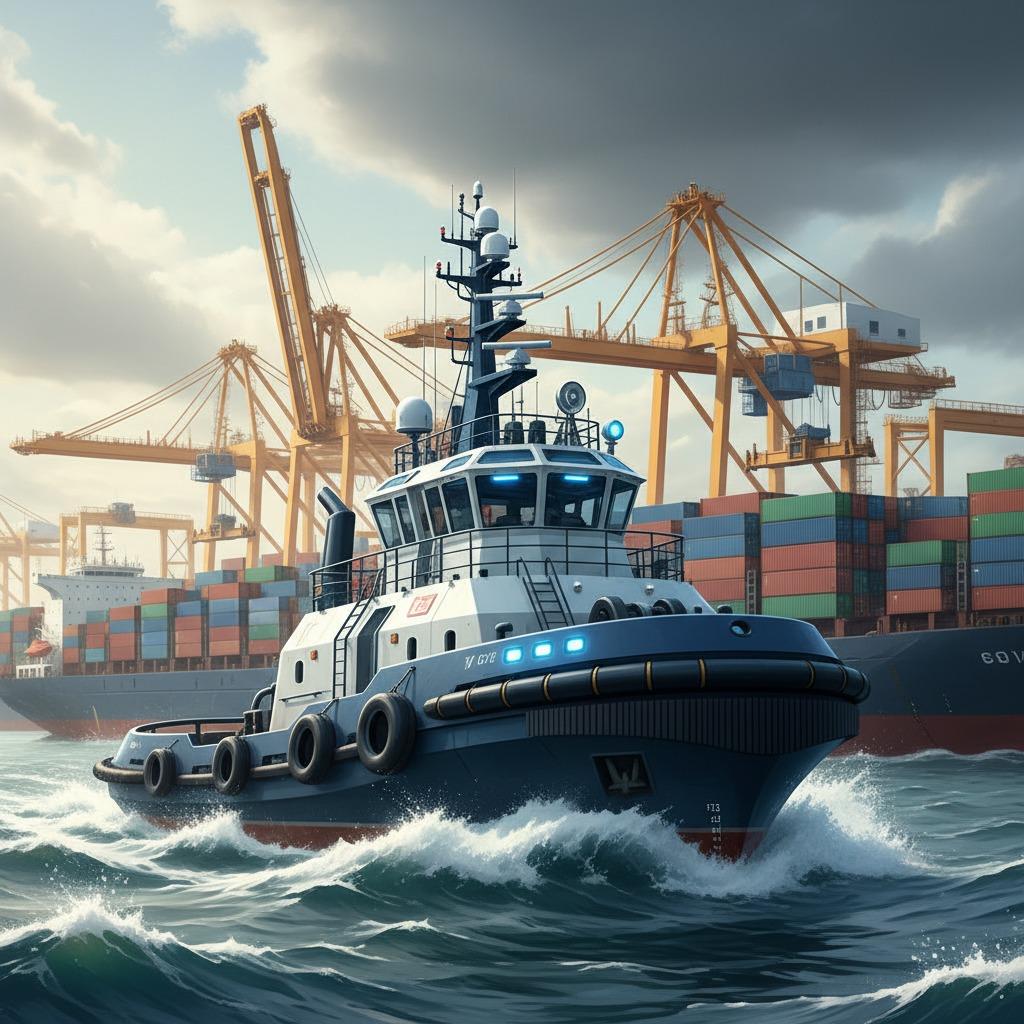
In today's fast-paced global economy, logistics stands as the backbone of commerce, ensuring that goods move efficiently from origin to destination. As an expert in industrial solutions, I firmly believe that without continuous innovation in logistics, businesses risk falling behind in an increasingly competitive landscape. The seamless integration of advanced machinery and smart systems isn't just beneficial—it's essential for survival. Drawing from cutting-edge products like robust tugboats, industrial cranes, and synchronized workforce systems, the future of logistics demands a blend of durability, efficiency, and sustainability. This opinion isn't mere speculation; it's grounded in the observable transformation of ports and warehouses worldwide, where outdated methods are being swiftly replaced by technology-driven alternatives.
Revolutionizing Maritime Operations with Specialized Equipment
Consider the maritime sector, where logistics faces unique challenges like unpredictable weather and heavy loads. I advocate strongly for the adoption of modern tugboats and industrial-grade cranes, as they exemplify how engineering can conquer these hurdles. A premium tugboat, with its advanced navigation systems and reinforced hull, isn't just a vessel—it's a precision tool that ensures safe towing in diverse conditions, from evening harbors to stormy seas. Paired with a towering crane boasting superior load-bearing and user-friendly controls, these assets minimize downtime and optimize cargo handling. In my view, investing in such equipment isn't an expense; it's a strategic imperative for port operators aiming to accelerate throughput. Without them, logistics chains become bottlenecks, delaying shipments and inflating costs. The evidence is clear: ports equipped with these innovations report up to 30% faster turnaround times, proving their worth in real-world applications.
Enhancing Efficiency Through Human-Machine Synergy
Beyond hardware, the true game-changer in logistics lies in harmonizing human effort with automation, as seen in systems like the Integrated Workforce and Machinery Synchronization System (IWMS). I contend that logistics will only thrive when we prioritize this synergy, allocating tasks smartly and integrating gears with ergonomic tools to boost productivity while upholding safety. Features such as dynamic workload distribution and intuitive interfaces transform chaotic warehouses into streamlined operations, applicable across manufacturing, supply chains, and construction. Skeptics might argue that automation displaces workers, but I see it differently: IWMS elevates roles, equipping teams with safety helmets and scalable solutions that adapt to business growth. This approach not only cuts redundancy but fosters a safer, more efficient environment. In logistics, where every second counts, such systems are non-negotiable for maintaining a competitive edge.
Sustainable and Versatile Storage Solutions for Tomorrow's Logistics
Looking ahead, logistics must embrace sustainability without sacrificing versatility, and modern shipping containers offer a compelling case. These high-strength, stackable units, built from recycled steel and resistant to harsh elements, serve as more than storage—they're modular foundations for mobile offices or even architectural projects. I passionately endorse their use in shipping, retail, and construction, where customizable designs in vibrant colors allow for branding that aligns with eco-conscious branding. In an era of climate scrutiny, opting for weather-resistant, durable containers isn't trendy; it's a responsible stance that protects goods and reduces environmental impact. Ports and industrial zones stacking these efficiently maximize space, proving that logistics can be both practical and planet-friendly. Ignoring this shift means risking obsolescence in a market demanding green innovations.
A Call to Action: Prioritizing Logistics Excellence
Ultimately, the evolution of logistics hinges on bold decisions to integrate these innovations. From tugboats navigating challenging waters to IWMS orchestrating human-machine harmony, and versatile containers securing sustainable transport, the path forward is clear. As someone deeply invested in this field, I urge industry leaders to view logistics not as a cost center but as a value driver. By championing these advancements, we don't just streamline operations—we build resilient supply chains that propel global commerce into a prosperous future.





