
Understanding the Foundations of Logistics
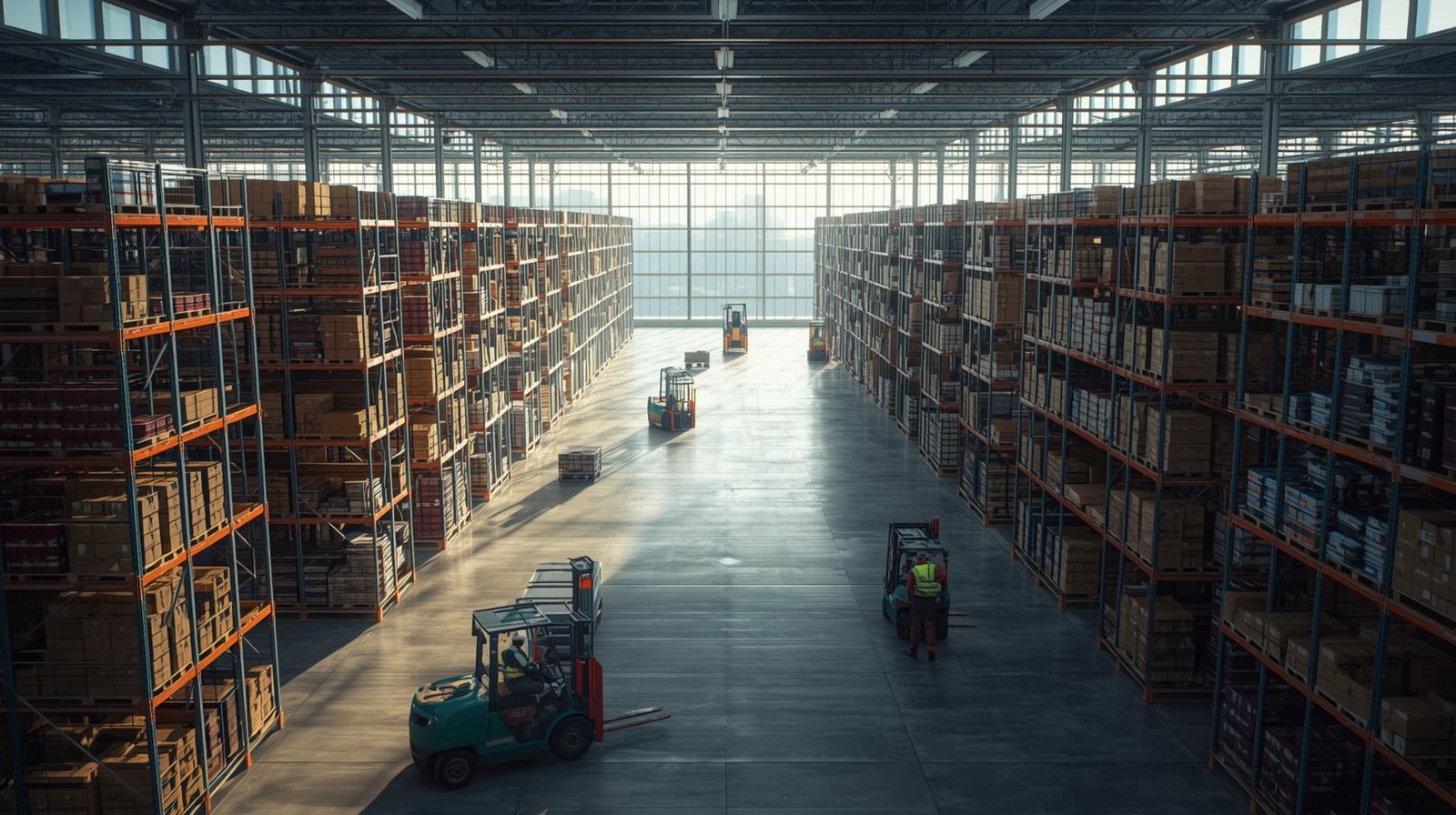
Logistics forms the backbone of modern supply chains, ensuring that goods move efficiently from production to consumption. At its core, logistics encompasses the planning, implementation, and control of the flow and storage of goods, services, and related information. This intricate process is vital for businesses worldwide, optimizing transportation, warehousing, and distribution to minimize costs and maximize customer satisfaction. Effective logistics strategies can reduce operational expenses by up to 15%, according to industry reports from the Council of Supply Chain Management Professionals, highlighting its economic significance.
Key Innovations in Logistics Technology
Advancements in logistics technology are revolutionizing how companies manage their operations. Consider the latest innovation in logistics efficiency: advanced refrigerated semi-trailer trucks paired with state-of-the-art electric pallet jacks. These tools excel in temperature-sensitive deliveries, maintaining optimal conditions for perishable goods like food and pharmaceuticals throughout transportation. The semi-trailer's cutting-edge insulation and temperature control technology allows precise climate management, accommodating large volumes to reduce frequent trips and enhance efficiency. Meanwhile, the compact electric pallet jack facilitates quick loading and unloading, cutting handling time and promoting worker safety through ergonomic design. Together, they set new standards in cold chain logistics, offering reliability for sensitive shipments.
In maritime logistics, state-of-the-art container ships optimized for global trade represent engineering excellence. Equipped with advanced cargo handling systems, these vessels handle diverse container sizes, maximizing space and minimizing loading times. Their streamlined designs improve fuel efficiency and reduce environmental impact, aligning with international sustainability standards. Cutting-edge navigation technology ensures safe travels across sea routes, even in adverse weather, providing security for crew and cargo alike. Whether transporting electronics or heavy machinery, these ships enable swift, secure connections to worldwide markets, redefining sea transport efficiency.
Streamlining Logistics in Air Cargo Operations
Airport cargo-loading operations exemplify the precision required in air logistics. Advanced systems in these environments use modern forklifts and specialized containers to ensure seamless cargo movement and storage. Expertly trained operators manage loading and unloading with accuracy, minimizing transition times and boosting productivity. Containers are secured efficiently within aircraft, optimizing space while upholding strict security standards to protect cargo integrity during flights. This infrastructure, supported by leading-edge technology, handles everything from delicate items to bulk goods with care, advancing global transportation capabilities. Such operations underscore how logistics integrates speed and safety, with air freight volumes growing by 4.5% annually as per the International Air Transport Association.
The Future of Logistics and Sustainability
Looking ahead, logistics is evolving toward greater sustainability and integration. Emerging trends include AI-driven predictive analytics for route optimization and blockchain for transparent tracking, reducing waste and enhancing traceability. Companies adopting these technologies report up to 20% improvements in delivery accuracy. Moreover, eco-friendly practices, such as electric vehicles and low-emission shipping, are becoming standard to combat climate change. In refrigerated transport, innovations like solar-powered cooling units further minimize carbon footprints. For businesses, mastering logistics means not only streamlining operations but also contributing to a greener planet, ensuring long-term viability in a competitive global market.
Overall, logistics continues to drive economic growth, with the global industry valued at over $8 trillion. By leveraging these innovations—from refrigerated trucks and container ships to air cargo systems—organizations can achieve unparalleled efficiency and reliability in their supply chains.





