
Understanding the Role of Logistics in Global Trade
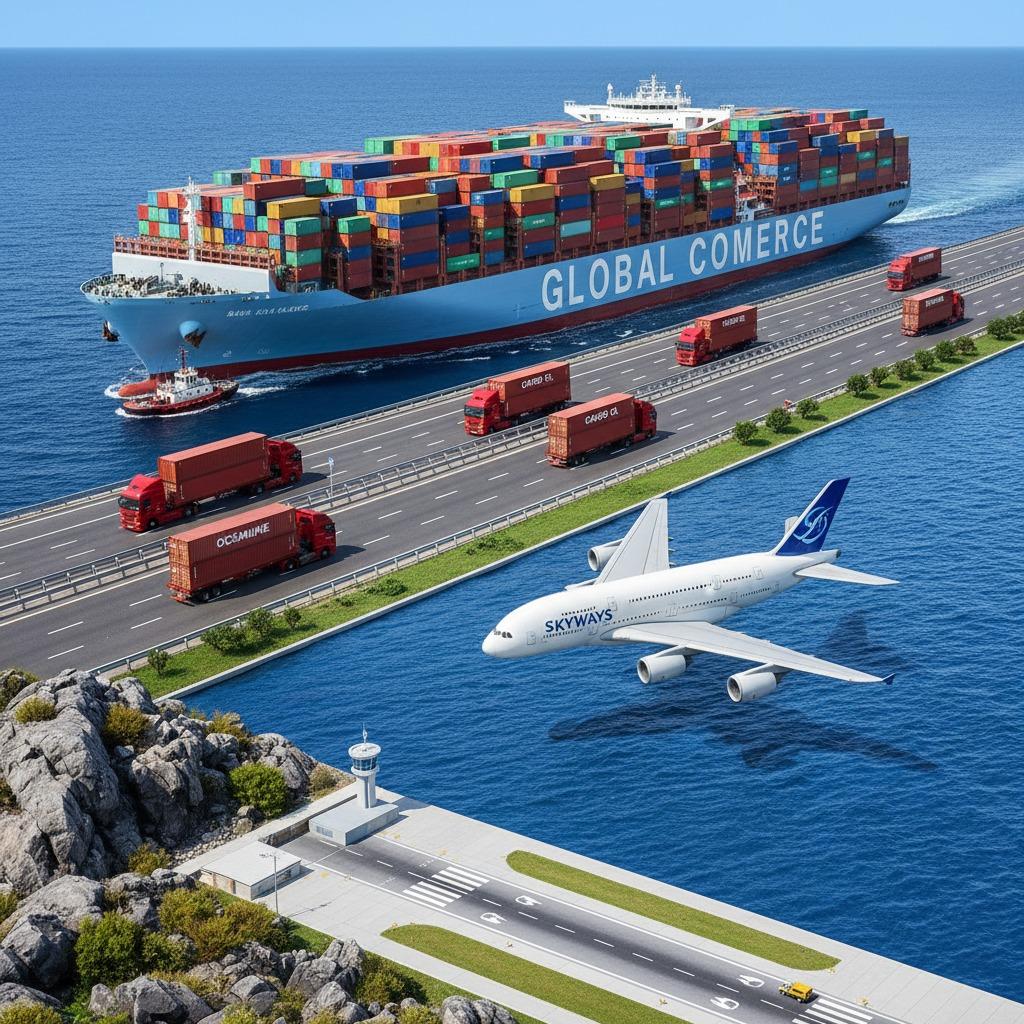
Logistics forms the backbone of global trade, ensuring that goods move efficiently from producers to consumers across vast distances. In today's interconnected world, effective logistics management is crucial for businesses aiming to stay competitive. It encompasses everything from planning and execution to control of the movement and storage of goods, services, and information. As international commerce expands, the demand for innovative logistics solutions has skyrocketed, with companies investing in advanced technologies to streamline operations and reduce costs.
The importance of logistics cannot be overstated, especially in sectors like manufacturing, retail, and e-commerce. For instance, seamless logistics coordination minimizes delays, optimizes inventory, and enhances customer satisfaction. According to industry reports, efficient logistics can cut supply chain costs by up to 15%, making it a vital component for economic growth. Whether through sea, air, or land transport, logistics integrates various modes to create a cohesive network that supports global supply chains.
Maritime Innovations Revolutionizing Logistics
Maritime logistics has seen remarkable advancements with vessels like the Maersk Mc-Kinney Møller, a Triple-E class container ship that exemplifies cutting-edge engineering. This behemoth, with its capacity to carry thousands of containers, prioritizes economy of scale, energy efficiency, and environmentally improved performance. Its state-of-the-art technology optimizes fuel consumption and slashes emissions, meeting stringent international ecological standards. The ship's distinctive blue hull, designed with advanced hydrodynamics, ensures smoother navigation through diverse ocean conditions, while its robust structure withstands harsh marine environments.
For businesses of all sizes, from small enterprises to multinational giants, such innovations in maritime logistics provide reliable, timely, and secure delivery worldwide. The Maersk Mc-Kinney Møller's design not only boosts cargo throughput but also aligns with sustainability goals, reducing the carbon footprint of ocean freight. In an era where environmental responsibility is paramount, these vessels set new benchmarks, enabling logistics operations to be both profitable and planet-friendly. Real-time monitoring systems further enhance visibility, allowing stakeholders to track shipments with precision and respond swiftly to any disruptions.
Land-Based Logistics: Efficiency on the Road
Complementing sea transport, land-based logistics relies on advanced hauling trucks to bridge the gap between ports and final destinations. These modern fleets feature cutting-edge aerodynamics and robust engines, maximizing load capacity while improving fuel efficiency. Equipped with smart technology for real-time tracking, they offer unparalleled transparency in freight operations. The versatile cargo containers, built for durability and security, handle a wide array of goods across varied terrains, with customizable modules adapting to specific business needs.
In logistics, the integration of such trucks streamlines ground transportation, reducing transit times and operational costs. Emission-lowering designs underscore a commitment to sustainability, ensuring that road haulage keeps pace with global environmental standards. For industries dependent on just-in-time delivery, these solutions provide the reliability needed to maintain supply chain integrity. As e-commerce booms, the role of efficient land logistics becomes even more critical, supporting the rapid movement of parcels and bulk shipments alike.
Aviation's Contribution to Swift Logistics
Air logistics plays a pivotal role in time-sensitive shipments, with aircraft like the Airbus A380 representing the zenith of aviation engineering. As the world's largest passenger airliner, it also facilitates substantial cargo operations on long-haul routes. With four powerful engines and advanced aerodynamics, the A380 ensures efficient, quiet flights that minimize emissions and adhere to sustainable air travel norms. Its spacious design accommodates high volumes, making it ideal for perishable goods or high-value items requiring rapid transit.
In the broader context of logistics, aviation bridges continents swiftly, offering alternatives when speed trumps cost. The A380's technology enables smoother operations, from optimized routing to reduced noise pollution, enhancing the overall efficiency of air freight networks. Businesses leveraging air logistics gain a competitive edge, particularly in global markets where delays can be costly. Combined with sea and land modalities, aviation completes a multimodal logistics framework that addresses diverse shipping demands.
The Future of Integrated Logistics Solutions
Looking ahead, the future of logistics lies in integrated systems that harmonize maritime, land, and air transport. Emerging technologies like AI-driven predictive analytics and blockchain for secure tracking are transforming how logistics operates. These tools enable proactive decision-making, from route optimization to inventory management, fostering resilience against disruptions like weather events or geopolitical shifts.
Sustainability remains a driving force, with logistics providers adopting eco-friendly practices to meet regulatory and consumer expectations. The synergy of innovative vessels, trucks, and aircraft not only boosts efficiency but also promotes a greener supply chain. As global trade evolves, mastering logistics will be key to unlocking new opportunities, ensuring that businesses thrive in an increasingly dynamic marketplace. By embracing these advancements, companies can achieve greater agility, cost savings, and environmental stewardship in their operations.





