
Understanding the Essentials of Logistics in Modern Supply Chains
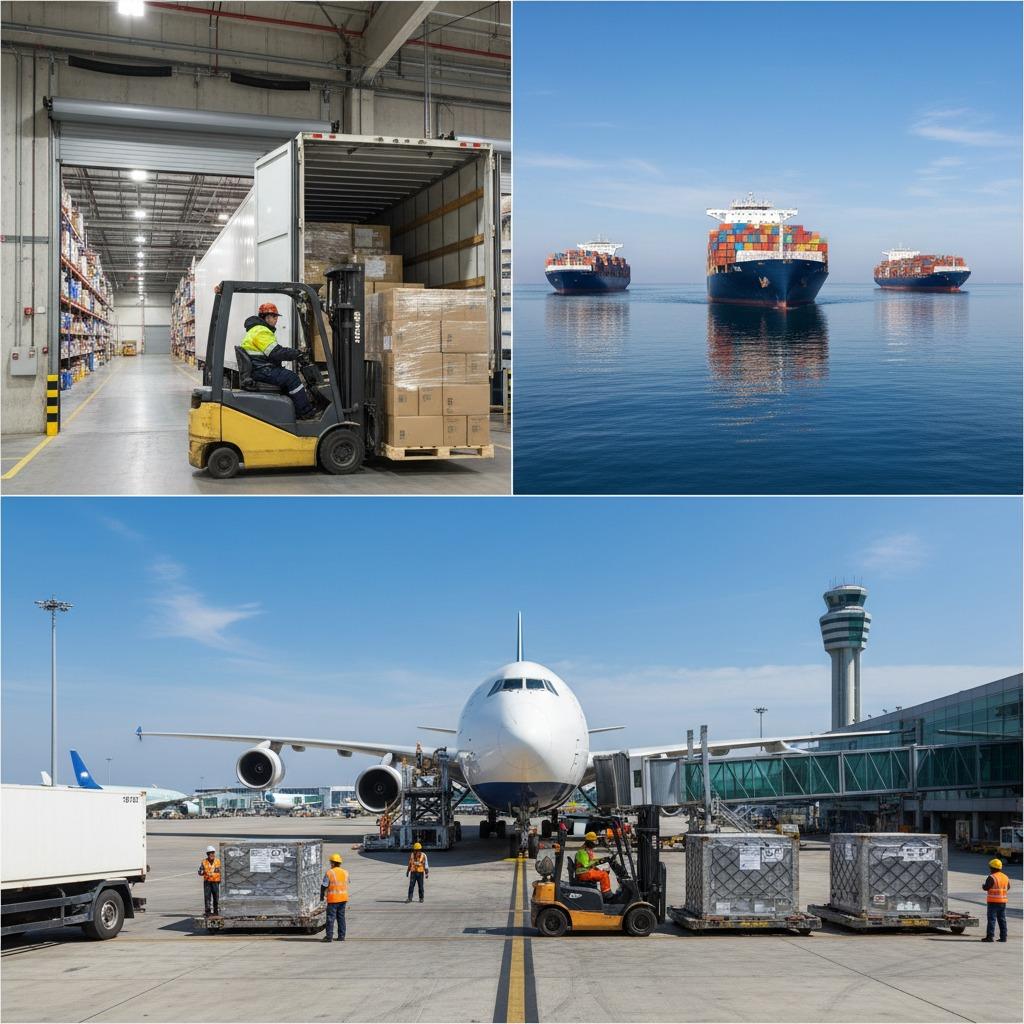
Logistics forms the backbone of efficient supply chain management, ensuring that goods move seamlessly from production to consumption. In today's fast-paced global economy, mastering logistics is crucial for businesses aiming to reduce costs and improve customer satisfaction. This article explores the key aspects of logistics, highlighting innovative solutions like heavy-duty refrigerated trailers, state-of-the-art container ships, and advanced air cargo handling that are revolutionizing the field.
At its core, logistics involves planning, implementing, and controlling the efficient flow and storage of goods, services, and related information. Effective logistics strategies can significantly enhance operational efficiency. For instance, the integration of technology in logistics allows for real-time tracking and optimization, minimizing delays and waste. Businesses that prioritize logistics often see improved inventory management and faster delivery times, which are vital in competitive markets.
Innovations in Refrigerated Logistics for Perishable Goods
One of the most critical areas within logistics is the transportation of perishable items, where temperature control is paramount. The new heavy-duty refrigerated trailer exemplifies advanced logistics solutions designed for modern cold chain operations. Engineered with superior insulation technology, this trailer maintains optimal temperatures to preserve the integrity of food and pharmaceuticals during transit. Its spacious interior accommodates large pallets, facilitating efficient loading and unloading through user-friendly doors. Real-time temperature monitoring systems provide essential data, ensuring compliance with strict regulatory standards and reducing the risk of spoilage.
This innovation in logistics not only boosts reliability but also supports sustainability by optimizing energy use in harsh environments. For industries reliant on fresh produce or temperature-sensitive medications, such trailers represent a game-changer, streamlining operations and enhancing product safety. By investing in these logistics tools, companies can expand their reach while maintaining high-quality standards.
Advancements in Maritime Logistics with Cutting-Edge Container Ships
Maritime logistics plays a pivotal role in global trade, handling the bulk of international cargo shipments. The introduction of state-of-the-art container ships marks a significant leap forward in this domain. These vessels feature eco-friendly engines and advanced navigation systems, enabling efficient traversal of ocean routes while minimizing fuel consumption and environmental impact. The double-hull construction enhances safety and stability, allowing for high-capacity cargo holds that transport diverse goods securely across vast distances.
In the realm of logistics, these ships set new benchmarks for speed and reliability. They support seamless integration with port operations, reducing turnaround times and logistical bottlenecks. As global trade volumes grow, such maritime innovations ensure that logistics networks remain resilient, adapting to challenges like fluctuating demand and geopolitical shifts. Businesses leveraging these ships can achieve cost savings and foster sustainable practices, aligning with broader environmental goals.
Revolutionizing Air Cargo Logistics at Airports
Air cargo logistics offers unparalleled speed for time-sensitive shipments, and recent developments are elevating its efficiency. At busy airports, state-of-the-art operations showcase wide-body aircraft optimized for maximum cargo capacity. Advanced loading systems, including forklifts and conveyor belts, enable swift and precise handling, as seen in coordinated team efforts that prioritize safety and speed. Innovative cargo containers, built for durability, withstand diverse conditions while maximizing space utilization within aircraft holds.
Technological integration in air logistics, such as real-time data tracking, allows for proactive management of shipments, ensuring timely deliveries worldwide. Sustainability efforts are also prominent, with energy-efficient equipment and optimized routing strategies that lower carbon footprints. This holistic approach to logistics at airports not only accelerates global supply chains but also addresses the growing demand for eco-conscious transportation solutions.
The Future of Logistics: Integration and Sustainability
Looking ahead, the future of logistics lies in the convergence of these multimodal advancements—road, sea, and air—into unified, intelligent systems. By combining refrigerated trailers for localized distribution, container ships for international bulk transport, and air cargo for urgent needs, businesses can create resilient logistics frameworks. Emerging technologies like AI-driven predictive analytics and blockchain for transparency will further enhance logistics efficiency, reducing errors and costs.
Sustainability remains a key driver in logistics evolution, with a focus on green technologies that cut emissions without compromising performance. Companies adopting these trends will not only meet regulatory requirements but also gain a competitive edge in an increasingly conscious market. Ultimately, robust logistics practices ensure that supply chains are agile, reliable, and ready for tomorrow's challenges, driving long-term success across industries.





