
Understanding the Dynamics of Logistics in Modern Supply Chains
In the fast-paced world of global commerce, logistics stands as the backbone of efficient supply chain management. It encompasses the planning, implementation, and control of the movement and storage of goods, services, and information from origin to consumption. Effective logistics ensures that products reach their destinations on time, reducing costs and enhancing customer satisfaction. From small businesses to multinational corporations, mastering logistics is crucial for staying competitive in today's interconnected economy.
Key Innovations in Air Cargo Logistics
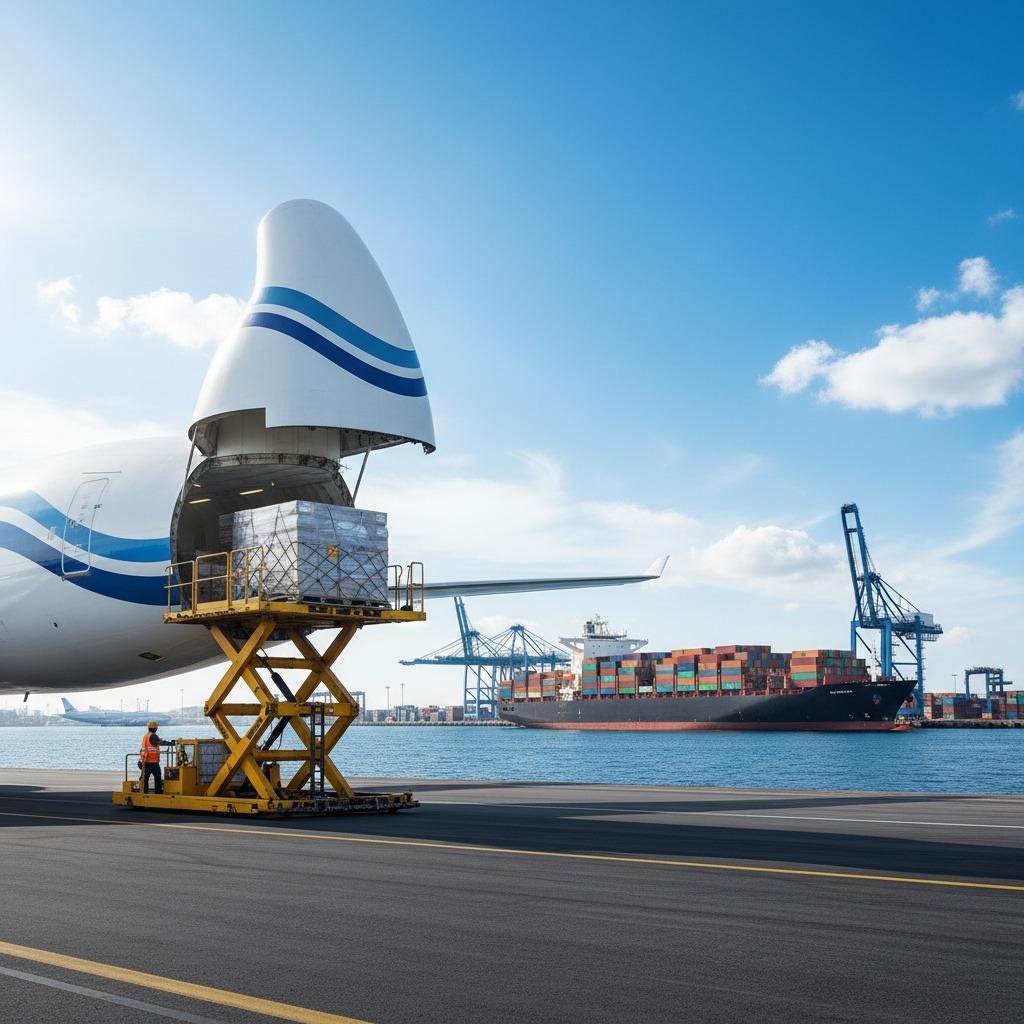
One of the most remarkable advancements in logistics is the air cargo transport system, which revolutionizes how goods are moved across continents. This system features wide-body aircraft designed for maximum cargo optimization, allowing for bulk shipments of diverse items like perishable foods and heavy machinery. The automated loading dock, equipped with hydraulic lifters, streamlines the process by minimizing manual labor and ensuring precision. Cargo is secured on standardized pallets wrapped in netting, preventing damage during turbulent flights. Ground operations are handled by trained teams using specialized vehicles, which cut down turnaround times and boost on-time deliveries. Moreover, fuel-efficient engines make these aircraft environmentally friendly, covering long-haul routes with lower emissions while maintaining high payload capacities. This blend of technology and efficiency highlights how logistics has evolved to meet urgent global demands, from medical supplies to industrial equipment.
The Power of Sea-Based Logistics with Container Ships
Complementing air transport, sea logistics via advanced container ships forms another pillar of the industry. These vessels are engineered for high-capacity storage, stacking multi-tiered containers in various sizes without sacrificing stability. Modern hydrodynamic designs reduce drag, leading to faster speeds and lower fuel consumption for transoceanic voyages. Built with reinforced steel and weather-resistant materials, they withstand harsh conditions while prioritizing cargo safety. Smart navigation systems, powered by satellite tracking, enable precise route planning and minimize delays. Eco-friendly engines further support sustainable practices, aligning with international environmental standards. When paired with efficient port cranes, these ships facilitate seamless loading and unloading, optimizing the entire distribution network. In essence, container ship logistics connects economies by handling large-scale shipments, supporting everything from consumer goods to raw materials in a reliable manner.
Integrating Logistics for Future-Proof Supply Chains
To thrive, businesses must integrate various logistics modes—air, sea, and ground—into a cohesive strategy. This holistic approach addresses challenges like regulatory compliance, inventory management, and real-time tracking. For instance, combining air cargo's speed with sea shipping's cost-effectiveness allows for hybrid solutions tailored to specific needs. Emerging technologies such as AI-driven forecasting and blockchain for transparency are transforming logistics, making it more predictive and secure. Companies that invest in robust logistics frameworks not only cut operational costs but also build resilience against disruptions like geopolitical tensions or natural disasters. As global trade expands, the role of logistics will only grow, demanding innovation and adaptability to sustain economic growth. By focusing on efficiency, sustainability, and versatility, logistics continues to drive the engine of modern business success.





