
Frequently Asked Questions About Logistics
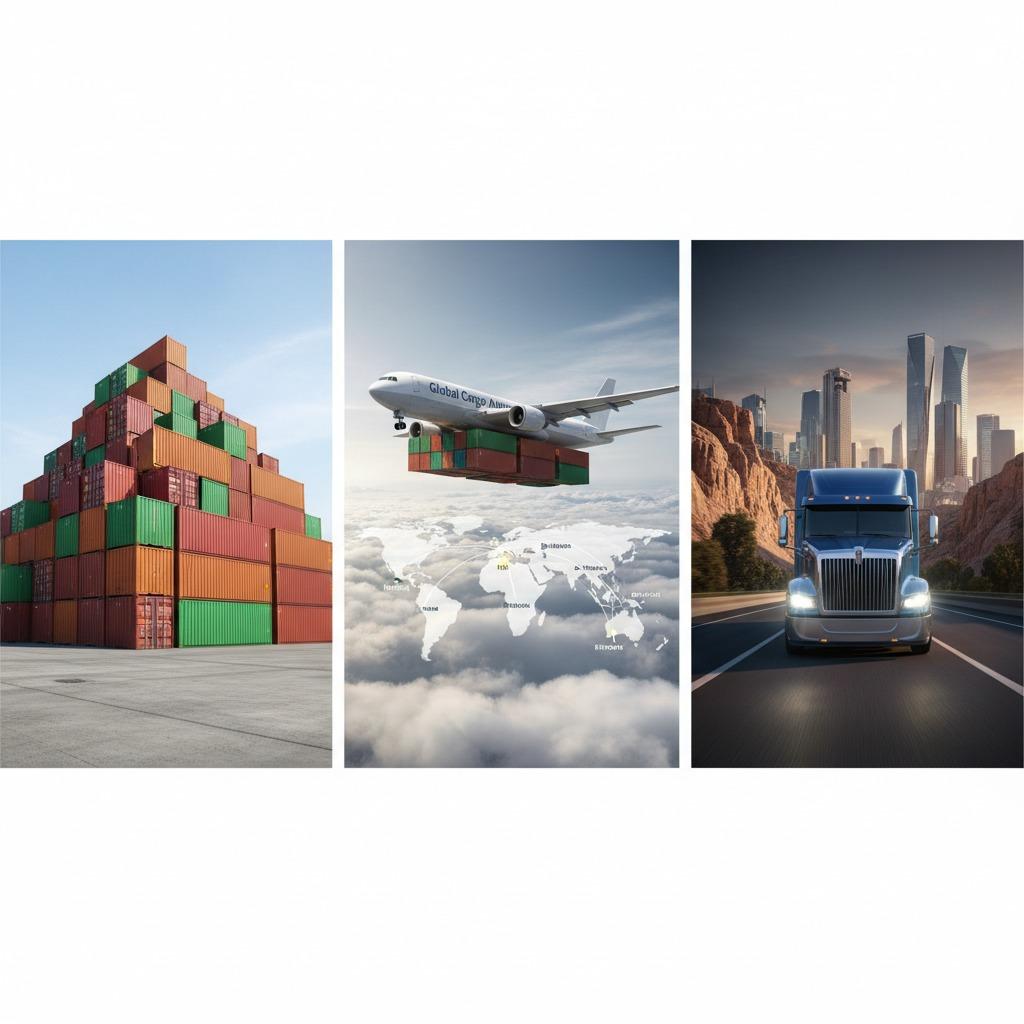
Logistics is the backbone of modern commerce, ensuring that goods move efficiently from origin to destination. In today's global economy, understanding logistics is crucial for businesses aiming to optimize their supply chains. Whether you're a small business owner or part of a large corporation, grasping the intricacies of logistics can make or break your operations. This FAQ guide addresses common questions about logistics, drawing from innovative solutions like the Dynamic Cargo Container System, Global Cargo Airlines' revolutionary cargo aircraft, and advanced semi-trucks to provide practical insights.
What Is Logistics and Why Does It Matter?
Logistics refers to the detailed coordination of complex operations involved in the production and delivery of goods. It encompasses planning, implementing, and controlling the efficient flow and storage of items from the point of origin to consumption. Effective logistics reduces costs, minimizes delays, and enhances customer satisfaction. For instance, the Dynamic Cargo Container System exemplifies how colorful, durable containers in red, green, yellow, and blue can streamline storage and transport while adding visual appeal to inventory management. These standard-sized units are built to withstand harsh climates, supporting heavy loads and maximizing space efficiency in global shipping. Logistics matters because it directly impacts profitability; poor management can lead to increased expenses and lost opportunities, while robust systems like Global Cargo Airlines' freighters connect key hubs such as Shanghai, Frankfurt, Dubai, and São Paulo for seamless delivery.
How Can Businesses Improve Their Logistics Efficiency?
Improving logistics efficiency starts with adopting scalable and innovative technologies. Businesses can leverage modular designs for quicker loading and unloading, as seen in the cargo aircraft that carries containers externally without sacrificing speed. Real-time tracking and advanced route optimization are also vital, allowing for precise monitoring and adjustments. Incorporating heavy-duty vehicles like the advanced semi-truck, with its aerodynamic body, high-performance engine, and digital dashboard, ensures reliable long-haul transport. This truck's metallic blue finish and LED lighting enhance safety and durability. To further boost efficiency, integrate automation in warehousing and choose uniform container dimensions for easy stacking. By focusing on these elements, companies can reduce turnaround times, lower fuel consumption, and handle substantial loads across continents, transforming potential bottlenecks into strengths.
What Role Does Technology Play in Modern Logistics?
Technology is revolutionizing logistics by providing tools for precision and reliability. Advanced freighters equipped with real-time tracking systems optimize routes and ensure cargo safety, minimizing risks in international transport. Similarly, smart systems in semi-trucks offer connectivity and performance metrics, enabling drivers to navigate efficiently. The Dynamic Cargo Container System's robust construction pairs with these tech integrations to create a cohesive ecosystem. For example, IoT devices can monitor container conditions in transit, alerting teams to issues like temperature fluctuations. In air freight, Global Cargo Airlines' design facilitates faster ground services, cutting down on delays. Embracing such innovations not only enhances visibility but also supports data-driven decisions, making logistics more predictive and responsive to market demands.
What Are the Challenges in Global Logistics and How to Overcome Them?
Global logistics faces challenges like varying regulations, supply chain disruptions, and environmental factors. Harsh climates can damage goods, but durable materials in containers and vehicles mitigate this. Geopolitical issues may affect routes, so diversifying networks—connecting hubs worldwide—is key. Fuel efficiency in semi-trucks addresses rising costs, while modular aircraft designs speed up operations. To overcome these, businesses should invest in comprehensive training, partner with reliable providers like those offering the Dynamic Cargo Container System, and use analytics for forecasting. Sustainability is another hurdle; opting for eco-friendly practices, such as aerodynamic vehicles and efficient stacking, helps meet regulatory standards. By proactively addressing these issues, companies can ensure timely, safe deliveries and maintain a competitive edge in logistics.
How Does Logistics Impact Sustainability?
Logistics significantly influences environmental sustainability through emissions, resource use, and waste. Optimizing routes with technology reduces fuel consumption, as in the advanced semi-truck's high-torque engine designed for efficiency. Air freight innovations like external container carrying maximize capacity without excess flights. Colorful, reusable containers promote better organization, cutting down on unnecessary packaging. Businesses can further sustainability by choosing durable, weather-resistant materials that extend product lifespans. Global networks must balance speed with green practices, such as electric or hybrid vehicles in the future. Ultimately, sustainable logistics not only lowers carbon footprints but also appeals to eco-conscious consumers, aligning operations with broader environmental goals.





