
Evolving Trends in the Logistics Industry
The logistics sector is undergoing a profound transformation, driven by technological advancements and shifting global demands. At the heart of this evolution is logistics, a critical pillar that ensures the seamless flow of goods across borders and within markets. As e-commerce continues to boom, companies are reevaluating their logistics service strategies to meet faster delivery expectations and optimize supply chains. This trend analysis explores how innovative solutions, like the Deniz Tur Logistics Truck, are reshaping the landscape, offering businesses a competitive edge in efficiency and reliability.
The Rise of Advanced Logistics Services
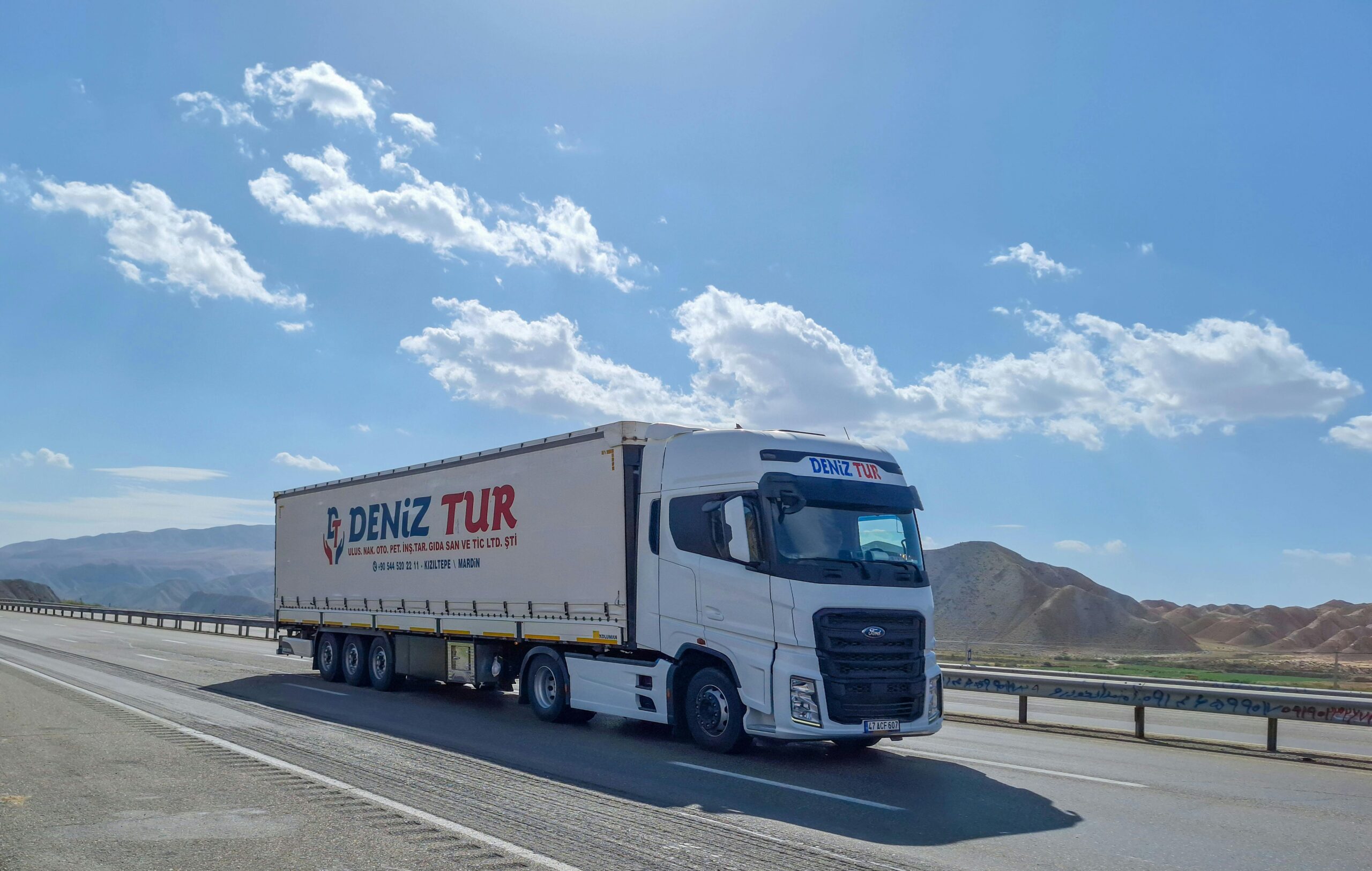
Logistics service providers are increasingly focusing on integration of cutting-edge technology to streamline operations. From AI-driven route optimization to real-time tracking systems, these enhancements are reducing costs and minimizing delays. A logistics company that invests in such tools can handle complex distribution networks with greater precision. For instance, the Deniz Tur Logistics Truck exemplifies this shift with its aerodynamic design optimized for fuel efficiency, allowing for long-distance hauls that cut down on operational expenses. Its spacious cargo area accommodates large shipments, making it a go-to choice for businesses prioritizing scalable logistics solutions. Moreover, the truck's robust build ensures durability across diverse terrains, addressing the growing need for versatile transportation in an unpredictable global market.
Key Innovations Driving Logistics Companies Forward
Modern logistics companies are leveraging branded, high-performance vehicles to not only transport goods but also build brand visibility. The Deniz Tur Logistics Truck stands out with its sleek lines and elegant styling, turning every journey into a mobile advertisement that reinforces a commitment to quality. Equipped with state-of-the-art safety features, it promises reliable performance on both urban streets and expansive highways. This blend of innovation and practicality is a trend that's gaining traction, as firms seek to differentiate themselves in a crowded field. By adopting such advanced logistics service models, companies can achieve higher customer satisfaction rates, with faster turnaround times and reduced environmental impact through better fuel economy.
Future Outlook for Logistics and Sustainability
Looking ahead, the logistics industry is poised for even greater integration of sustainable practices. Trends indicate a surge in eco-friendly vehicles and green logistics initiatives, responding to regulatory pressures and consumer preferences for responsible business practices. A forward-thinking logistics company will prioritize fleets like the Deniz Tur Logistics Truck, which balances high performance with lower emissions. As supply chains become more globalized, the demand for resilient logistics services will intensify, pushing providers to innovate continually. Businesses that adapt to these changes—enhancing their logistics frameworks with reliable, efficient tools—will thrive in this dynamic environment, setting new benchmarks for the sector's future.
This analysis underscores the pivotal role of logistics in driving economic growth, highlighting how strategic investments in technology and design can yield substantial benefits for logistics companies worldwide.





