
Understanding the Essentials of Logistics
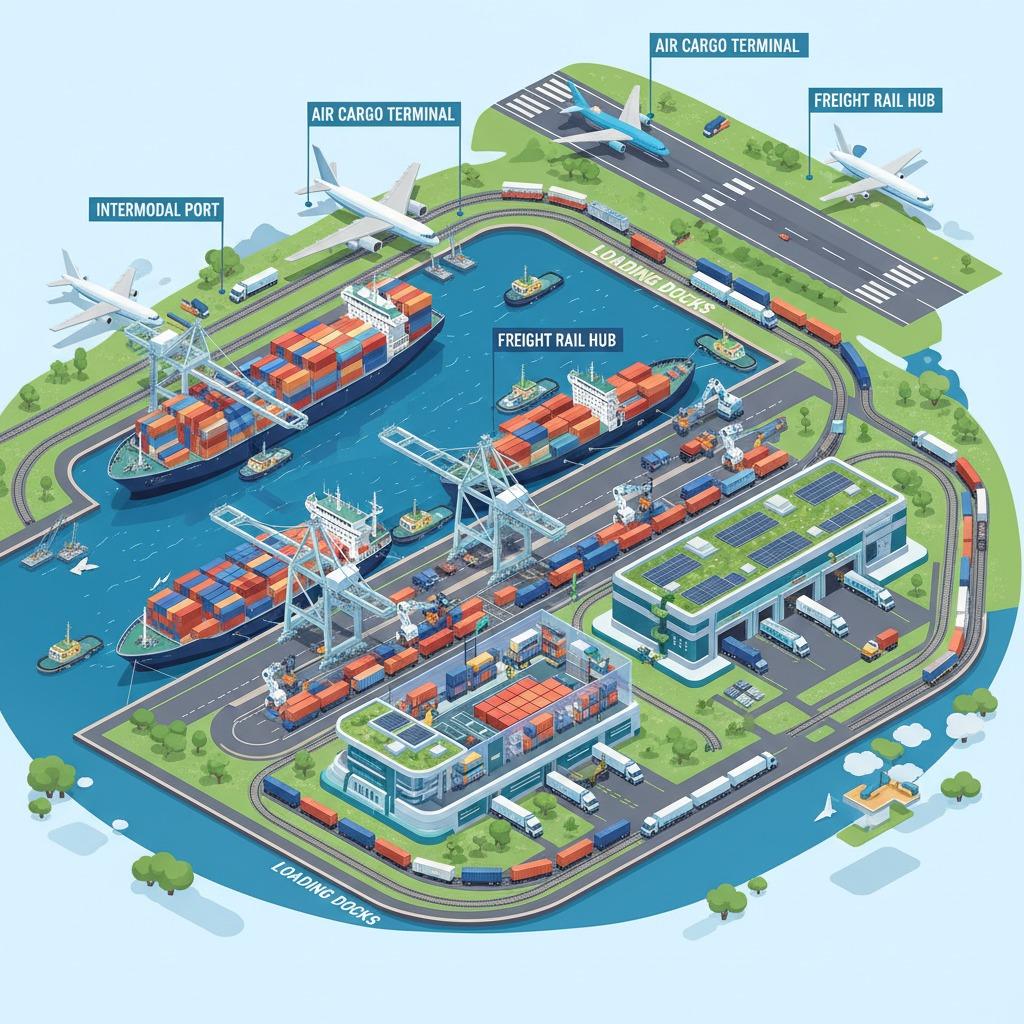
Logistics forms the backbone of modern supply chains, ensuring that goods move efficiently from origin to destination. In today's fast-paced global economy, effective logistics management is crucial for businesses aiming to stay competitive. This involves coordinating transportation, warehousing, inventory control, and order fulfillment to minimize costs and maximize customer satisfaction. Whether dealing with maritime shipments or air freight, robust logistics strategies can transform operational challenges into seamless processes.
Key Components of Logistics in Supply Chain Operations
At its core, logistics encompasses several interconnected elements. Transportation logistics, for instance, relies on diverse modes such as ships, aircraft, and trucks to transport goods across vast distances. Warehousing and storage play a vital role in maintaining inventory levels, while inventory management uses data analytics to predict demand and avoid stockouts. In the maritime sector, logistics involves sophisticated port management systems that track containers in real-time, optimize crane operations, and integrate with global networks. These systems often incorporate AI for predictive analytics, helping to foresee bottlenecks and enhance throughput. According to industry reports, efficient logistics can reduce supply chain costs by up to 15%, underscoring its economic impact.
Innovations Revolutionizing Logistics
Technological advancements are reshaping the logistics landscape. Smart port management systems exemplify this shift, offering automated scheduling and digital twin simulations to visualize operations and prevent delays. In aviation, streamlined aircraft with advanced aerodynamics and eco-friendly engines improve air cargo logistics by boosting fuel efficiency and reducing emissions. Maritime logistics benefits from robust vessels like modern tugboats, designed for precise maneuvering in busy harbors. These innovations not only enhance safety through IoT sensors and real-time monitoring but also promote sustainability by incorporating energy management strategies. For example, ports adopting such systems have reported a 20% improvement in operational efficiency, allowing for faster vessel docking and reduced idle times.
The Role of Logistics in Global Trade
Logistics is indispensable in facilitating international trade, where timely delivery can make or break market opportunities. In bustling ports, the coordination of container movements and shipment tracking ensures compliance with customs regulations and maintains supply chain integrity. Air travel innovations, such as high-performance jets with spacious interiors and noise-dampening tech, support expedited logistics for time-sensitive cargo. Businesses leveraging these tools gain a competitive edge, as seamless logistics fosters reliability and customer trust. Statistics from the International Maritime Organization highlight that optimized logistics contributes to a smoother flow of global goods, supporting economic growth and reducing environmental strain through efficient resource use.
Future Trends in Logistics Management
Looking ahead, logistics will increasingly rely on automation and data-driven insights. Predictive analytics and AI integration will enable proactive decision-making, from route optimization to demand forecasting. Sustainability remains a key focus, with logistics solutions emphasizing low-carbon transport options and green port initiatives. As global trade expands, adaptable logistics frameworks will be essential for navigating disruptions like weather events or geopolitical shifts. By embracing these trends, companies can achieve greater resilience, ensuring that logistics not only moves goods but also drives innovation and long-term success in the evolving marketplace.





