
Understanding Logistics: The Backbone of Modern Supply Chains
In the world of commerce, logistics stands as the essential framework that ensures goods flow seamlessly from origin to destination. This core concept encompasses planning, implementing, and controlling the efficient movement of products, services, and information. While traditional logistics focuses on domestic operations, international logistics introduces complexities like customs regulations and cross-border coordination. A reliable logistics service can make or break a business's efficiency, contrasting sharply with outdated methods that often lead to delays and higher costs. For instance, companies relying on manual tracking versus those adopting digital solutions see vast differences in turnaround times and error rates.
Comparing Traditional Logistics with International Logistics
Traditional logistics operates within a single country's borders, emphasizing localized transportation networks, warehousing, and distribution centers tailored to regional needs. It excels in speed for short hauls but can falter when scaling up, often resulting in fragmented processes. In contrast, international logistics expands this scope globally, integrating multimodal transport such as sea, air, and rail to navigate diverse terrains and regulations. This approach demands sophisticated logistics service providers who handle tariffs, documentation, and varying compliance standards, which can extend timelines but unlock broader markets. A key difference lies in risk management: domestic setups face fewer geopolitical hurdles, while international ones require robust contingency planning for events like trade disputes. Businesses choosing between these must weigh cost savings from local efficiency against the revenue potential of global reach, highlighting how international logistics fosters innovation in supply chain resilience.
The Role of Advanced Logistics Services in Enhancing Efficiency
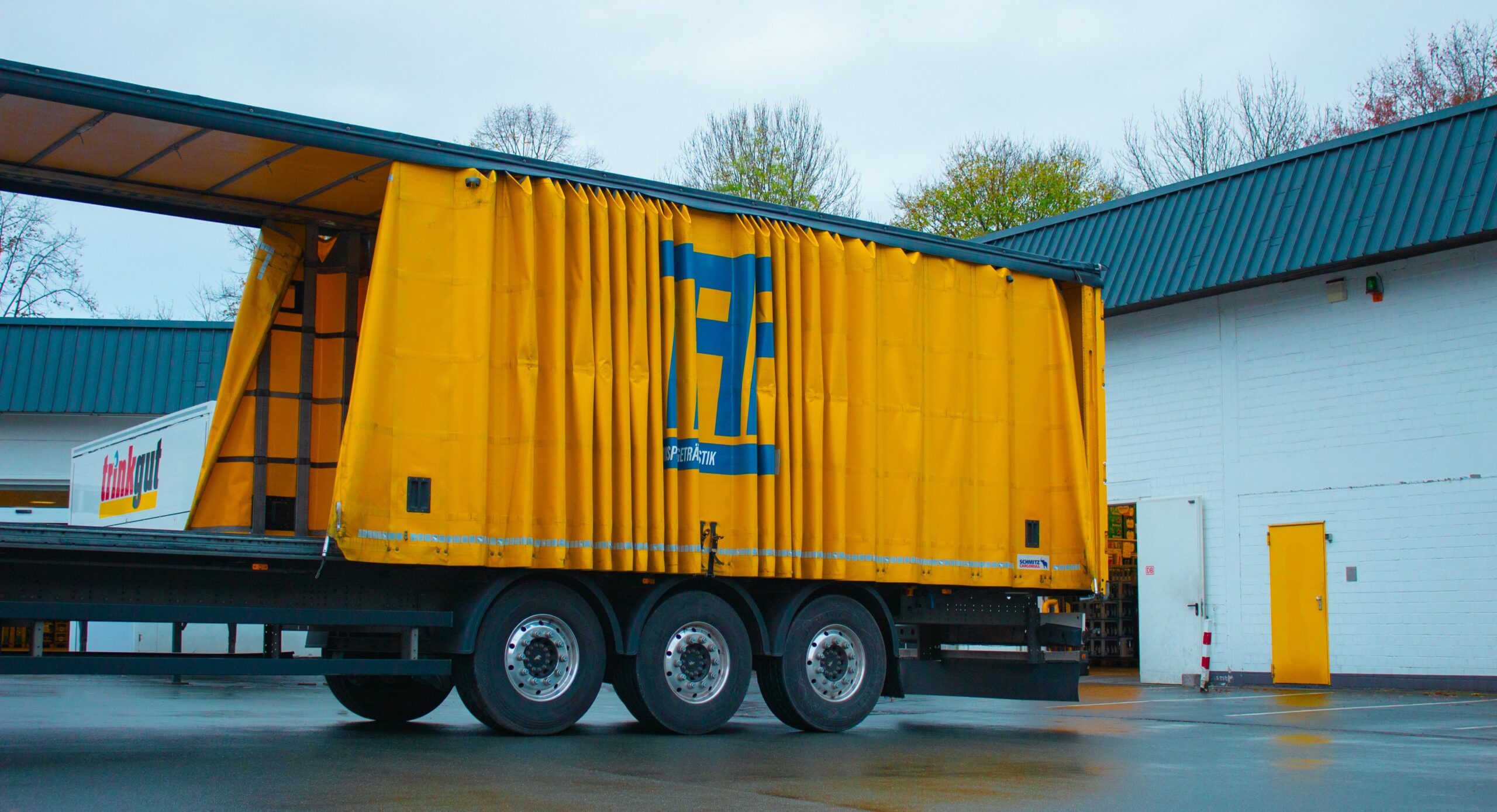
When evaluating logistics services, the comparison between basic offerings and specialized solutions reveals stark contrasts in performance. Standard services might suffice for simple deliveries but often overlook customization, leading to inefficiencies in handling diverse cargo types. Advanced logistics service, however, incorporates technology like real-time GPS tracking and AI-driven route optimization, drastically reducing downtime compared to manual alternatives. For heavy cargo transport, consider the side-curtain semi-trailer as a modern logistics marvel: its retractable curtain system allows swift side access for loading and unloading, outperforming rigid trailer designs that require full rear access and more time. Built with high-strength materials and a triple axle system for stability, this trailer excels in urban and industrial settings, protecting goods with weather-resistant yellow curtains while enhancing visibility through bold branding. In international logistics, such equipment contrasts with conventional trailers by enabling quicker customs inspections and adaptable sizing for varying loads, ultimately streamlining operations and cutting costs. Companies adopting these integrated logistics services not only boost productivity but also ensure safer, more reliable hauls across demanding environments.
Contrasting Impacts on Business Growth and Sustainability
The divergence between conventional logistics and enhanced international logistics services profoundly affects business scalability and environmental footprint. Basic logistics may minimize upfront investments but often incurs hidden expenses through inefficiencies, like fuel waste from suboptimal routes. Conversely, investing in a comprehensive logistics service with tools like the side-curtain semi-trailer promotes sustainability by optimizing load distribution and reducing empty miles, lowering emissions compared to less versatile vehicles. For global operations, this means balancing speed with eco-friendly practices, such as using durable, recyclable materials in trailers to withstand long journeys without frequent replacements. Businesses contrasting these options find that while traditional methods suit small-scale needs, international logistics drives expansion by connecting suppliers and markets worldwide, fostering partnerships that traditional setups can't match. Ultimately, embracing modern logistics service transforms challenges into opportunities, ensuring companies remain competitive in a fast-evolving landscape.





