
Understanding Logistics: The Backbone of Global Trade
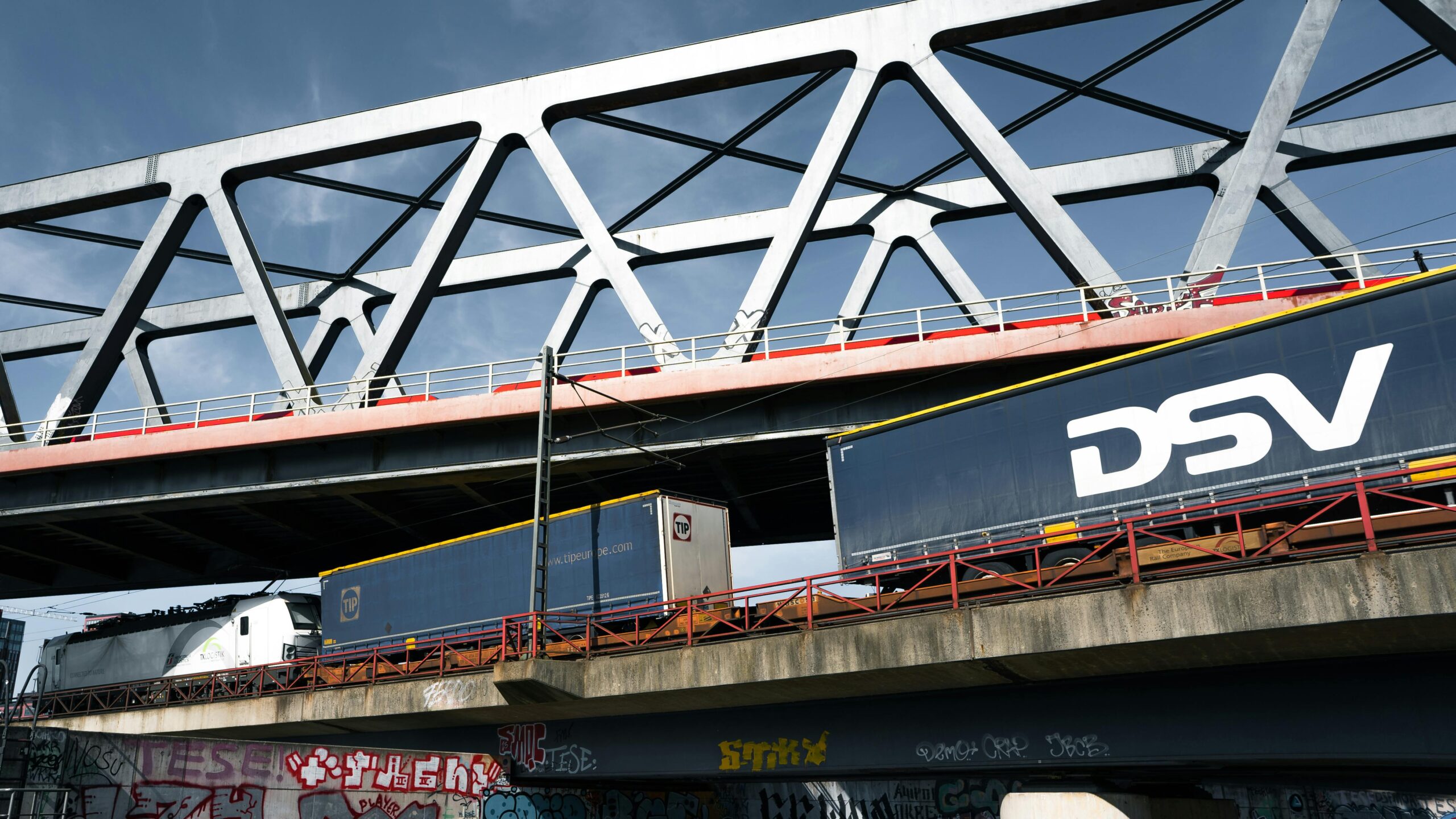
Logistics forms the essential framework for moving goods efficiently across the world, ensuring that businesses can meet customer demands without unnecessary delays. In today's fast-paced economy, effective logistics means more than just transportation; it encompasses planning, execution, and optimization of supply chains. When comparing traditional logistics approaches to modern innovations, the differences become stark. Traditional methods often relied on single-mode transport like trucking alone, leading to higher costs and environmental impacts, whereas contemporary logistics integrates multiple modes for better efficiency.
Comparing Logistics Services: Traditional vs. Integrated Solutions
A key aspect of any logistics service is its ability to adapt to diverse needs, and here, we see a clear contrast between basic and advanced offerings. Basic logistics services might focus solely on point-to-point delivery, often resulting in fragmented operations and increased expenses due to inefficiencies. In contrast, advanced logistics services, such as those provided by industry leaders like DSV, offer a comprehensive ecosystem that combines warehousing, inventory management, and real-time tracking. For instance, DSV's approach emphasizes seamless integration, reducing downtime and enhancing reliability. This comparison highlights how a robust logistics service can transform operational challenges into competitive advantages, particularly for businesses dealing with international shipments.
Transportation Logistics: Rail vs. Road and the Path to Sustainability
Transportation logistics represents the physical movement of goods, and comparing rail-based systems to traditional road transport reveals significant benefits in efficiency and eco-friendliness. Road transportation logistics, while flexible for short hauls, often faces congestion, higher fuel consumption, and greater carbon emissions. On the other hand, rail transportation logistics, as showcased in DSV's operations with branded freight containers and TIP trailers, promotes intermodal solutions that shift loads from road to rail where possible. This not only cuts down on environmental impact but also optimizes costs through consolidated shipments over long distances. The bridge-like infrastructure in such setups symbolizes the connectivity that DSV fosters, bridging gaps in global supply chains with reliable, sustainable practices. By prioritizing rail in transportation logistics, companies can achieve faster delivery times for bulk goods while aligning with green initiatives.
The DSV Advantage in Modern Logistics
When evaluating providers in the logistics arena, DSV stands out for its collaborative innovations, such as partnerships with TIP for versatile trailer components that enhance load optimization. Contrasting DSV's model with standalone providers, the former's emphasis on customized networks for intermodal transportation—from rail to road—ensures versatility across industries like manufacturing and retail. Businesses partnering with DSV benefit from reduced carbon footprints, dependable cargo handling, and speedy deliveries, making it ideal for those striving for operational excellence. In essence, while traditional logistics might suffice for local needs, DSV's transportation logistics elevates global operations to new heights of efficiency and sustainability.
Future Trends: Evolving Logistics Services
Looking ahead, the evolution of logistics services will likely amplify these contrasts, with technology like AI-driven routing further differentiating sustainable transportation logistics from outdated models. DSV's focus on eco-friendly practices positions it as a leader, helping businesses not just compete but thrive in a conscientious market. By choosing integrated logistics over siloed approaches, companies can future-proof their supply chains against disruptions.





