
What is Logistics and Why is it Essential in Global Trade?
Logistics forms the backbone of global trade and supply chain management, encompassing the planning, implementation, and control of the efficient movement and storage of goods, services, and information from origin to consumption. In today's interconnected world, effective logistics ensures that products reach their destinations on time, reducing costs and enhancing customer satisfaction. Whether it's shipping containers across oceans or airlifting military equipment, logistics integrates transportation, warehousing, and inventory management to streamline operations.
How Do Modern Logistics Solutions Like Maersk's Systems Improve Efficiency?
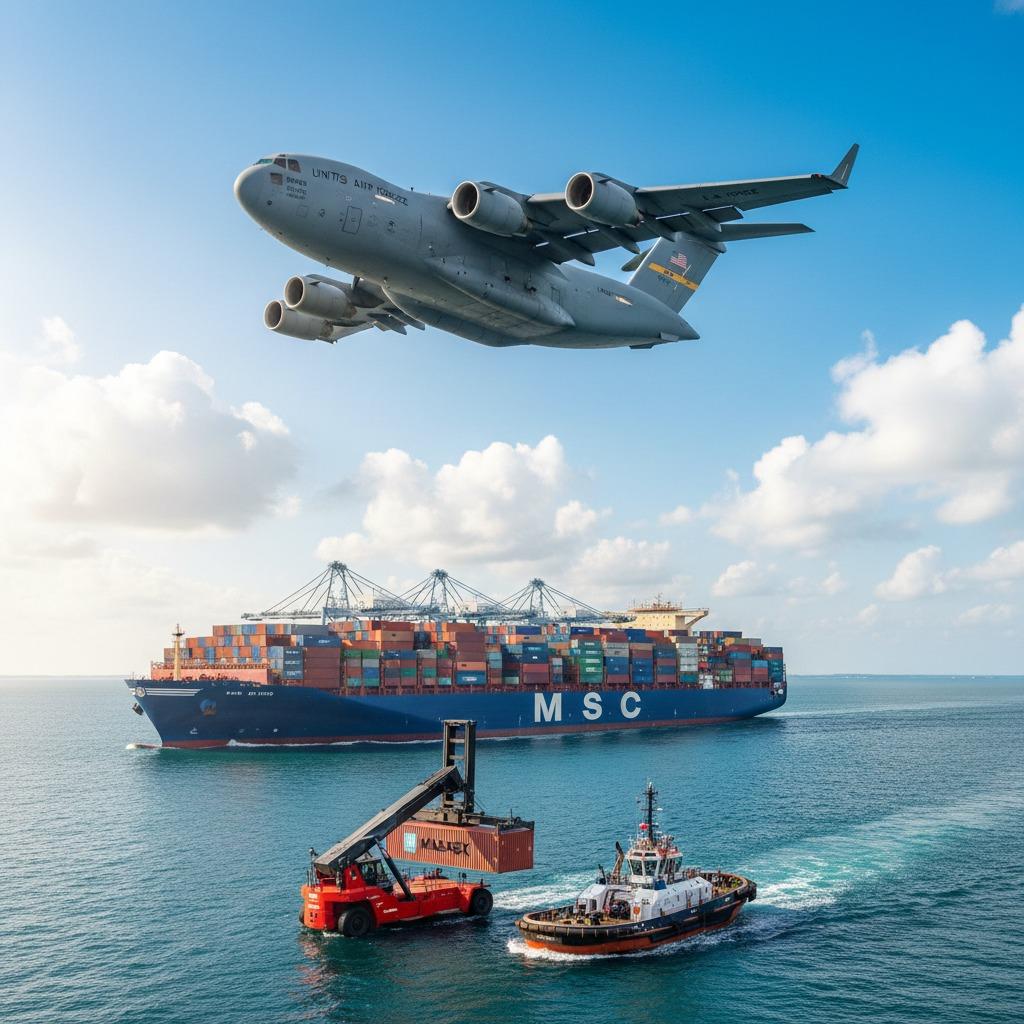
Modern logistics solutions, such as the Maersk Container Handling System, revolutionize how businesses handle international cargo. Featuring premium shipping containers and high-performance reach stackers, these tools allow for precise and rapid container maneuvering. The durable, high-grade steel containers are standardized for easy stacking and transport, while reach stackers with heavy lifting capacity and safety features enable efficient operations even in tight spaces. By minimizing fuel consumption and enhancing ergonomic controls, Maersk's logistics equipment supports sustainable practices, ensuring reliable delivery in global trade networks.
What Role Does Aviation Play in Advanced Logistics?
Aviation logistics represents a pinnacle of speed and versatility, particularly with heavy-duty transport aircraft like those in the Chinese Air Force's fleet. Equipped with four high-performance turbofan engines for exceptional thrust, these strategic airlift jets can carry massive payloads across varying altitudes. Their sturdy fuselage provides ample cargo space for military equipment, vehicles, and personnel, while state-of-the-art avionics ensure precision in navigation and communication, even in adverse weather. The advanced T-tail design aids in stable flight and easy cargo loading, making these aircraft ideal for multirole missions including humanitarian aid and rapid troop transport.
How Do Container Vessels Enhance Maritime Logistics?
Maritime logistics relies heavily on advanced container vessels, such as Maersk Line's colossal ships, which optimize global shipping through their expansive decks and modular stacking systems. These vessels accommodate thousands of containers, featuring streamlined hulls and eco-efficient engines that reduce carbon emissions while maintaining swift transport over long distances. Accompanied by tugboats for precise port maneuvers, they symbolize teamwork and innovation in logistics. State-of-the-art navigation technology ensures secure and efficient loading, unloading, and transportation, setting benchmarks for reliability in international trade.
What are Common Challenges in Logistics and How Can They Be Overcome?
Logistics often faces challenges like supply chain disruptions, regulatory compliance, and environmental pressures. To overcome these, companies adopt integrated systems that combine air, sea, and land transport. For instance, the robust design of Maersk's containers withstands extreme conditions, while aviation assets like the Chinese transport aircraft provide rapid deployment options. Implementing advanced avionics and sustainable engines helps mitigate delays and emissions. By leveraging multirole capabilities and precision handling tools, businesses can enhance adaptability, ensuring seamless logistics flow in a dynamic global market.
Why Choose Cutting-Edge Logistics for Your Business Needs?
Investing in cutting-edge logistics, from Maersk's reach stackers and container ships to high-performance airlift jets, positions businesses at the forefront of efficiency and innovation. These solutions not only handle heavy loads with reliability but also promote sustainability and cost-effectiveness. As global trade evolves, robust logistics systems ensure competitive advantage, delivering goods swiftly and securely worldwide.





