
Understanding the Role of Logistics in Global Trade
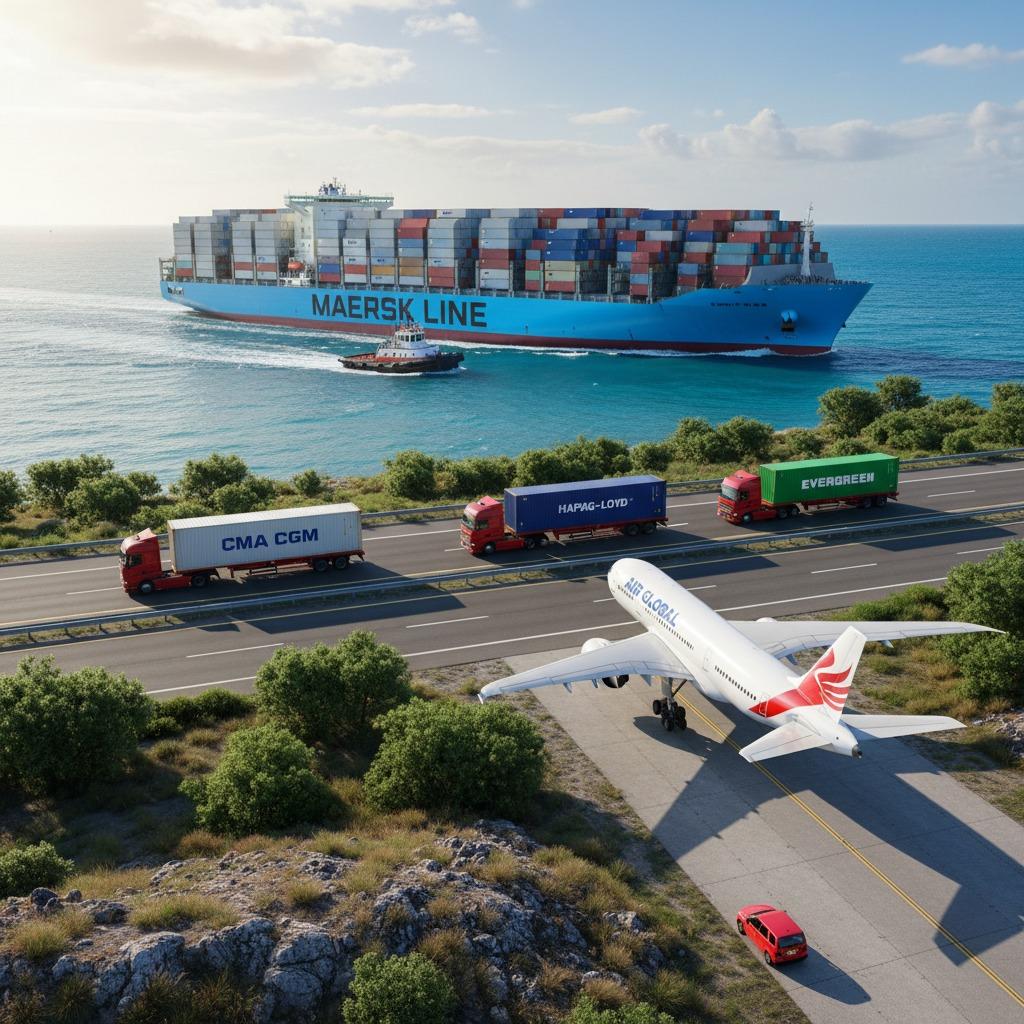
Logistics forms the backbone of modern global trade, ensuring that goods move efficiently from producers to consumers across vast distances. It encompasses the planning, execution, and control of the movement and storage of goods, services, and information within the supply chain. In today's interconnected world, effective logistics is crucial for businesses aiming to remain competitive, as it directly impacts cost, speed, and reliability. For instance, advanced logistics systems can reduce delivery times by up to 30%, according to industry reports from organizations like the International Maritime Organization. This keyword, logistics, highlights not just transportation but the entire ecosystem that supports economic growth.
Innovations in Maritime Logistics with Maersk Mc-Kinney Møller
One shining example of cutting-edge logistics in the maritime sector is the Maersk Mc-Kinney Møller, a Triple-E class container ship that exemplifies efficiency, economy, and environmental responsibility. This vessel boasts an impressive cargo capacity of over 18,000 TEUs (Twenty-foot Equivalent Units), allowing it to transport thousands of containers in a single voyage, thereby optimizing global logistics flows. Its sleek hull, painted in Maersk's iconic blue, incorporates advanced hydrodynamic features that minimize fuel consumption and cut down on carbon emissions by approximately 50% compared to older models. The ship's state-of-the-art propulsion system, powered by efficient engines, enhances maneuverability and ensures reliable performance across the world's oceans. By integrating such technologies, the Maersk Mc-Kinney Møller not only streamlines logistics operations but also aligns with global sustainability goals, reducing the environmental footprint of international shipping.
Enhancing Road-Based Logistics Through Advanced Trucks
Shifting focus to land transportation, modern logistics trucks represent a pivotal advancement in freight movement, designed for efficiency, reliability, and sustainability. These vehicles feature powerful engines optimized for long-haul journeys, capable of covering thousands of miles while maintaining consistent speeds and minimizing downtime. The aerodynamic design of these trucks reduces drag, leading to fuel savings of up to 10-15%, which is vital for cost-effective logistics in industries like manufacturing and retail. Trailers are built with reinforced structures to handle high-capacity loads securely, ensuring that cargo remains intact during transit. Integrated advanced GPS and real-time tracking systems provide visibility into every stage of the journey, allowing logistics managers to monitor shipments and respond promptly to any issues. Safety features, including enhanced braking systems and stability controls, further bolster the reliability of these trucks, making them indispensable for navigating diverse terrains from urban streets to interstate highways.
Aviation's Contribution to Swift Logistics Networks
In the realm of air transport, logistics reaches new heights with aircraft like the Airbus A380, a marvel of engineering that combines luxury with unparalleled efficiency. Capable of carrying over 500 passengers and substantial cargo, the A380 facilitates rapid logistics for time-sensitive goods, such as perishables and high-value electronics. Its aerodynamic design, with sweeping wings and powerful engines, optimizes fuel efficiency, reducing operational costs and emissions per passenger mile by around 20%. Inside, the spacious cabins and advanced technology ensure smooth operations, while the aircraft's versatility supports both passenger and cargo configurations, enhancing flexible logistics solutions. Whether bridging continents in hours or supporting just-in-time delivery models, the A380 underscores how aviation integrates seamlessly into broader logistics strategies, enabling businesses to meet global demands with precision.
The Future of Integrated Logistics Solutions
As logistics continues to evolve, the integration of maritime, road, and air transport creates a robust network that drives economic progress. Technologies like AI-driven route optimization and blockchain for supply chain transparency are poised to further revolutionize the field, potentially increasing efficiency by 25% over the next decade, per forecasts from logistics experts. Companies leveraging such innovations, from massive container ships to high-tech trucks and aircraft, are better positioned to handle the complexities of global trade. Ultimately, mastering logistics not only ensures timely deliveries but also fosters sustainable practices that benefit the planet and the economy alike.





